


Ever wondered why some job applicants breeze past the initial screening while others languish in the abyss of the “maybe” pile? What if the difference wasn’t just their resume, but something far more tangible—something that glows with the unmistakable sheen of authenticity? Enter the world of verified badges, those shimmering digital emblems that companies are increasingly willing to pay premiums for. But why? What makes these badges so irresistibly valuable in the eyes of employers? Let’s embark on a journey to uncover the hidden currency of these credentials and why they’ve become the golden tickets of the modern hiring landscape.
Picture this: a hiring manager sifting through a mountain of applications, each one vying for attention. Amidst the sea of resumes, one stands out—not because of a fancy degree or a laundry list of past employers, but because it’s adorned with a badge that whispers, “This person’s skills have been tested, verified, and endorsed by a trusted third party.” It’s the digital equivalent of a stamp of approval, and it changes everything. But how did we get here? And why are companies so eager to shell out extra cash for candidates who wield these badges like a knight’s shield?
The Allure of Verified Credentials: More Than Just a Pretty Badge
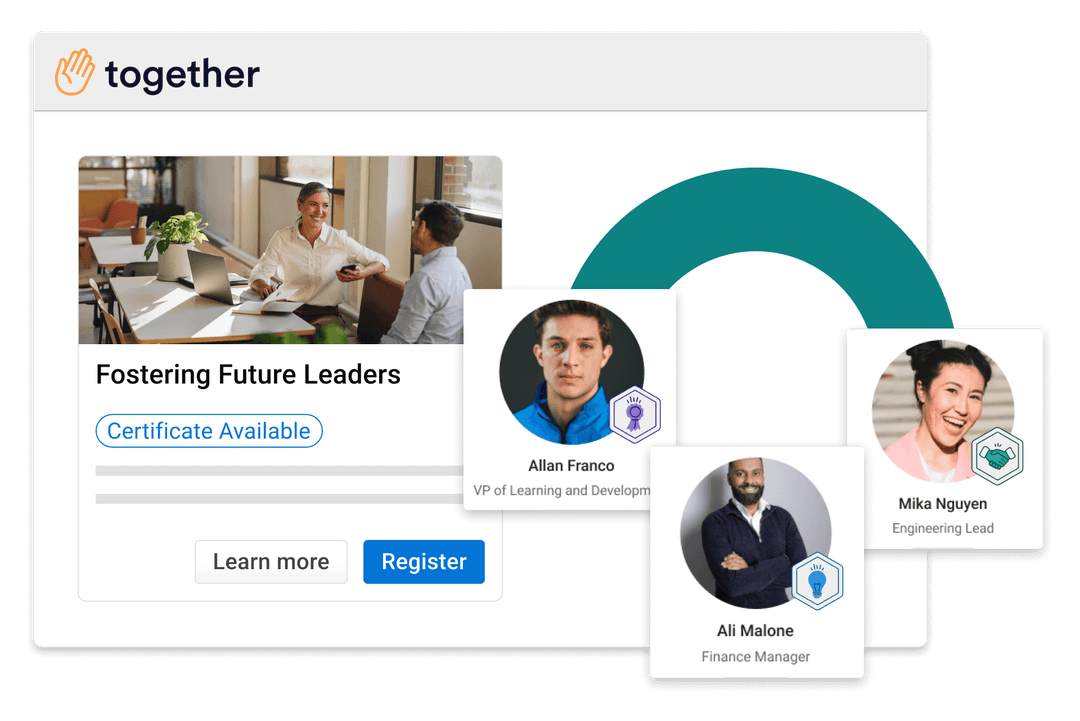
At first glance, a verified badge might seem like just another digital sticker on a LinkedIn profile. But peel back the layers, and you’ll find a world of rigor, validation, and trust. These badges aren’t handed out willy-nilly; they’re the result of rigorous assessments, standardized testing, or peer-reviewed projects that prove a candidate’s competence in a specific skill or domain. For companies, this isn’t just about filling a seat—it’s about mitigating risk.
Imagine hiring a software developer without knowing if their coding skills are up to snuff. Or bringing on a project manager whose “leadership” badge was earned in a weekend workshop. The stakes are too high. Verified badges act as a preemptive strike against mismatched hires, reducing the costly dance of onboarding and offboarding. They’re the hiring equivalent of a pre-flight checklist, ensuring that the engine is running smoothly before the plane takes off.
But here’s the twist: these badges aren’t just about hard skills. They’re also about soft power. A badge in emotional intelligence or conflict resolution signals to employers that a candidate isn’t just technically proficient—they’re also equipped to navigate the messy, human side of the workplace. In an era where collaboration and adaptability are king, these badges are the crown jewels.
The Hidden Cost of Unverified Talent: Why Companies Are Willing to Pay Extra
Let’s talk numbers. According to a 2023 study by the Harvard Business Review, companies that prioritize verified credentials in their hiring process reduce their turnover rates by up to 30%. That’s not just a drop in the bucket—it’s a seismic shift in the bottom line. But why are these badges so expensive? Why aren’t companies just relying on good old-fashioned interviews and resumes?
The answer lies in the asymmetry of information. A resume can lie. A job interview can be gamed. But a verified badge? It’s a data point that’s nearly impossible to fake. Companies are willing to pay a premium for this certainty because the alternative—guesswork—is far more expensive. Consider the cost of a bad hire: lost productivity, training expenses, severance packages, and the ripple effect of a disengaged team. Verified badges are the insurance policy against these pitfalls.
There’s another layer to this, too. In a job market where skills evolve at the speed of light, companies are desperate for signals that a candidate isn’t just competent today—but that they’re committed to staying ahead of the curve. A verified badge in a cutting-edge technology or methodology signals that the candidate has invested time and effort into mastering something new. It’s a tacit promise: “I’m not just keeping up—I’m leading the charge.”
And let’s not forget the psychological comfort these badges provide. Hiring managers are human, after all. They’re under pressure to make decisions quickly, often with incomplete information. A verified badge is a mental shortcut—a way to offload some of the cognitive load onto a trusted third party. It’s the difference between scrolling through a sea of unknowns and landing on a candidate who’s already been vetted by an external authority.
The Verification Arms Race: How Badges Are Reshaping the Hiring Landscape
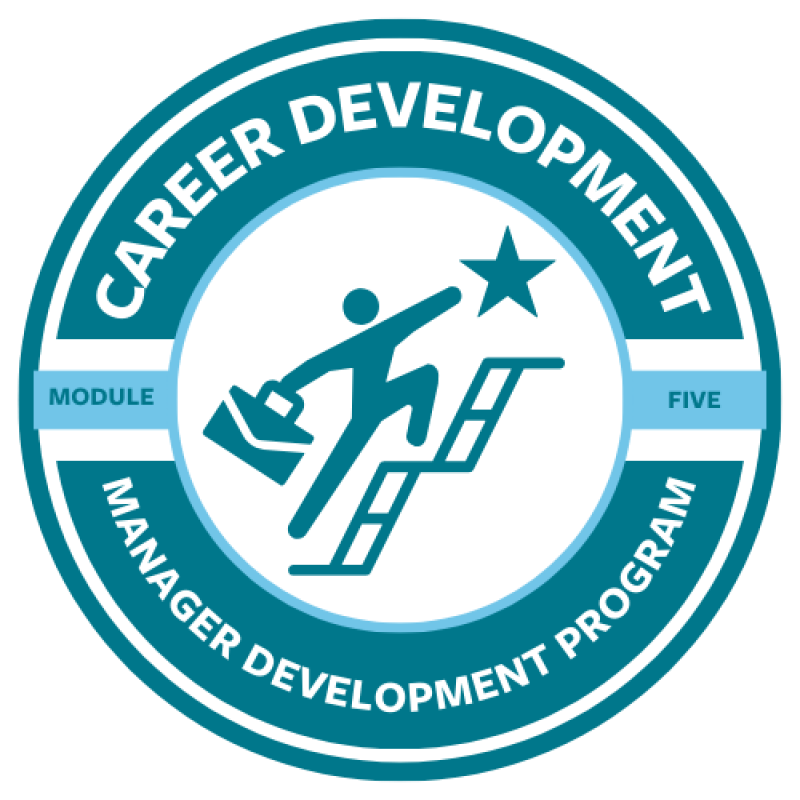
The rise of verified badges has sparked a quiet revolution in the hiring world. Platforms like Coursera, Udacity, and even industry-specific bodies (think PMP for project managers or AWS certifications for cloud engineers) are now the gatekeepers of talent. But this isn’t just about individual badges—it’s about the ecosystem they’ve created. Companies are no longer just looking for candidates with degrees; they’re hunting for those who’ve earned their stripes through verified, often micro-credentialed, pathways.
This shift has given birth to a new kind of currency in the job market. Candidates who rack up verified badges aren’t just collecting trophies—they’re building a portfolio of proof that speaks louder than any resume ever could. For companies, this means access to a talent pool that’s not just skilled, but pre-approved. It’s the difference between fishing in a murky pond and casting a line into a stocked lake.
But here’s where things get interesting. As the demand for verified badges grows, so does the temptation to cut corners. Some platforms have been accused of watering down their credentials, offering badges for little more than a few hours of passive learning. This has created a new challenge for companies: how do you distinguish between a badge that’s earned and one that’s merely purchased?
This is where the verification arms race comes into play. Companies are increasingly turning to blockchain-based credentials or third-party audits to ensure that the badges they’re paying for are the real deal. It’s a cat-and-mouse game, with platforms striving to maintain their credibility while candidates and employers demand ever-higher standards. The result? A market where only the most rigorous, transparent, and valuable badges rise to the top.
The Candidate’s Dilemma: To Badge or Not to Badge?
For job seekers, the calculus is simple: verified badges are the new black. But here’s the catch—they’re not all created equal. A candidate who earns a badge from a fly-by-night online course might as well have scribbled “I watched a YouTube video” on their resume. The key is to chase badges that carry weight: those backed by industry leaders, accredited institutions, or rigorous assessments.
But even then, there’s a strategic game to play. Should you stack your profile with every badge under the sun, or focus on a select few that align with your career goals? The answer lies in the signal-to-noise ratio. A handful of high-value badges is worth more than a cluttered wall of mediocre ones. It’s about curating a narrative that says, “I’m not just skilled—I’m selectively excellent.”
And let’s not ignore the elephant in the room: cost. Some verified badges come with hefty price tags, putting them out of reach for many candidates. This creates a paradox: the very people who might benefit most from these credentials are often the ones least able to afford them. Companies are starting to take notice, offering subsidies or reimbursement programs to level the playing field. But the gap remains, a reminder that the premium for verified talent isn’t just financial—it’s social.
The Future of Hiring: Where Badges Meet AI and Beyond
As we hurtle toward a future where AI and automation reshape the workforce, verified badges are poised to become even more critical. Imagine a world where algorithms scan resumes not just for keywords, but for the weight of a candidate’s credentials. A verified badge could be the difference between being shortlisted and being overlooked in seconds.
But the story doesn’t end there. The next frontier of hiring might involve dynamic badging—credentials that update in real-time based on a candidate’s ongoing learning and performance. Picture a badge that glows brighter as you complete advanced projects or earn endorsements from peers. It’s a world where your professional reputation isn’t static; it’s a living, breathing entity that evolves with you.
For companies, this means access to a talent pool that’s not just verified, but evergreen. No more outdated resumes. No more guessing games. Just a clear, up-to-date snapshot of a candidate’s skills and achievements. It’s the holy grail of hiring—and verified badges are the first step on that journey.
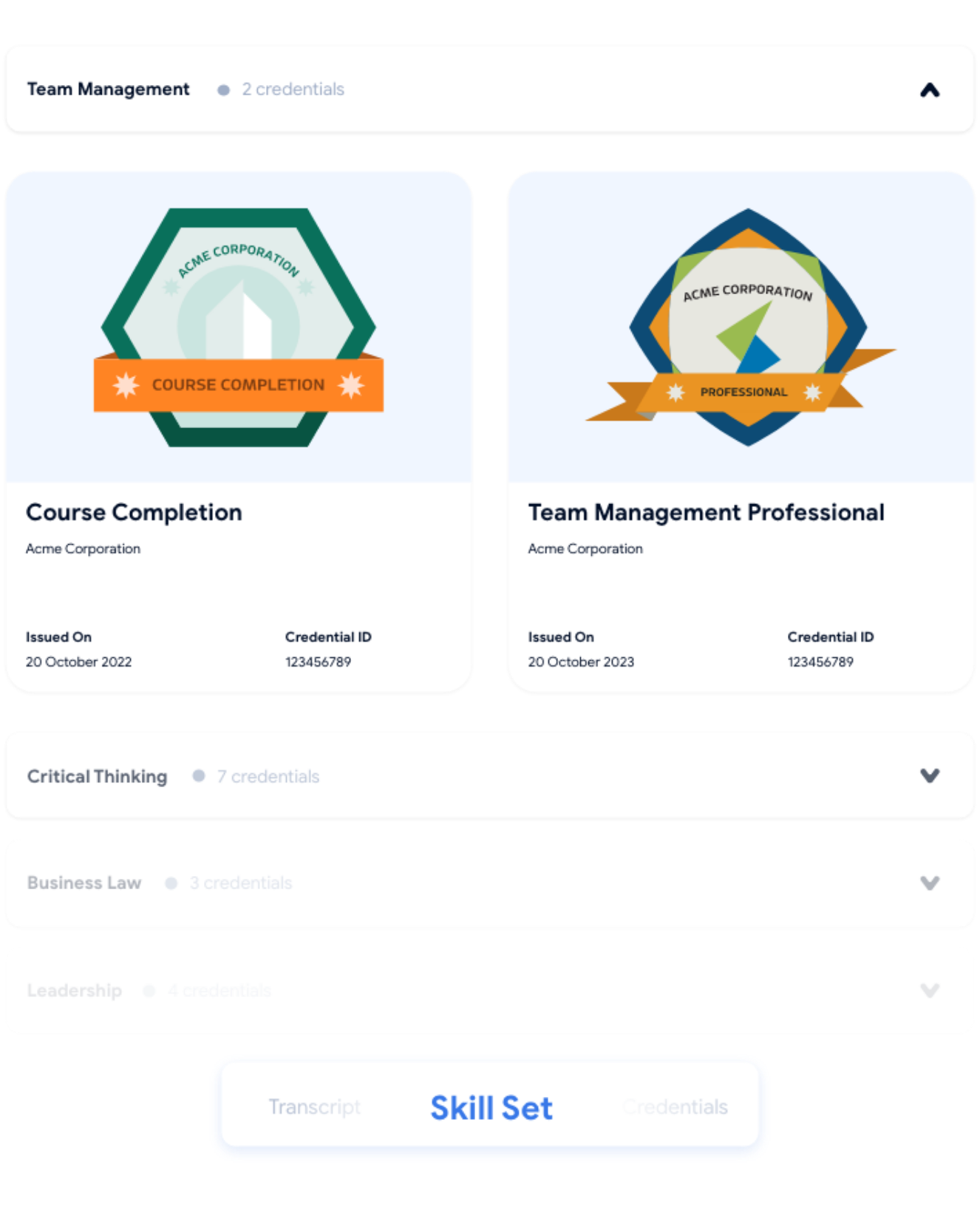
So, the next time you’re tempted to dismiss a verified badge as just another digital sticker, think again. These badges are the new currency of the hiring world—a currency that companies are increasingly willing to pay a premium for. They’re the difference between a gamble and a sure bet. Between a resume and a reputation. Between a job applicant and a trusted professional.
In a market where trust is the ultimate currency, verified badges are the golden key. And those who wield them? They’re not just candidates. They’re the future.
Leave a comment