


Ever felt like your career is stuck in a revolving door, spinning endlessly without ever quite landing you where you want to be? You’re not alone. Career changers often face a daunting paradox: the skills you’ve honed in one field are invaluable, but the language of another remains frustratingly out of reach. What if the key to unlocking your next chapter isn’t just about polishing your resume—but about fast-tracking your credentialing like a seasoned pro? Let’s dive into how you can leapfrog the traditional grind and step confidently into your dream role.
Imagine this: You’ve spent years mastering the art of project management in the tech industry, but now you’re itching to pivot into healthcare administration. The catch? Healthcare loves its acronyms, certifications, and regulatory jargon like a toddler loves alphabet soup. How do you bridge that gap without spending another decade in school? The answer lies in strategic credentialing—a nimble, targeted approach to proving your readiness for a new field. It’s not about starting from scratch; it’s about repackaging what you already know into the shiny, new credentials that employers crave.
Why Credentialing is Your Career Chameleon
Credentialing isn’t just a buzzword—it’s your secret weapon. In a world where hiring managers sift through hundreds of resumes in minutes, a well-chosen certification can make you stand out like a neon sign in a foggy alley. But here’s the twist: not all credentials are created equal. The trick is to identify the ones that align with your target role while leveraging your existing expertise. For example, if you’re transitioning from education to corporate training, a Certified Professional in Learning and Performance (CPLP) could be your golden ticket. It’s not about collecting badges for the sake of it; it’s about strategically stacking them to tell a compelling story of your adaptability.
Think of credentialing as your career’s elevator pitch. Each certification is a floor in the building of your professional narrative. The ground floor might be your foundational degree, but the penthouse? That’s where your niche expertise and targeted credentials live. The goal isn’t to climb every floor—just the ones that matter for your next move.
The Art of the Credentialing Sprint
Fast-tracking your credentials doesn’t mean cutting corners; it means being intentional. Start by mapping out the landscape of your desired field. What certifications are non-negotiable? Which ones are rising stars that employers are actively seeking? Tools like LinkedIn’s Skills Insights or job postings on platforms like Indeed can reveal the hidden patterns in what hiring managers prioritize.
Next, consider the stackable credentials approach. This is where you combine micro-credentials, badges, or even online courses to build a portfolio of proof. For instance, if you’re eyeing a role in data analytics, you might pair a Google Data Analytics Certificate with a Tableau Desktop Specialist credential. The beauty of this method is that it’s modular—you can tackle one piece at a time, fitting the process into your schedule like a puzzle rather than a marathon.
But beware the credential creep. It’s easy to fall into the trap of chasing every shiny certification that pops up. Instead, focus on the ones that directly address the gaps in your transition. Ask yourself: Does this credential fill a specific need in my target role? If the answer is “maybe,” it’s probably not worth your time—or your wallet.
Leveraging Your Existing Expertise: The Hidden Goldmine
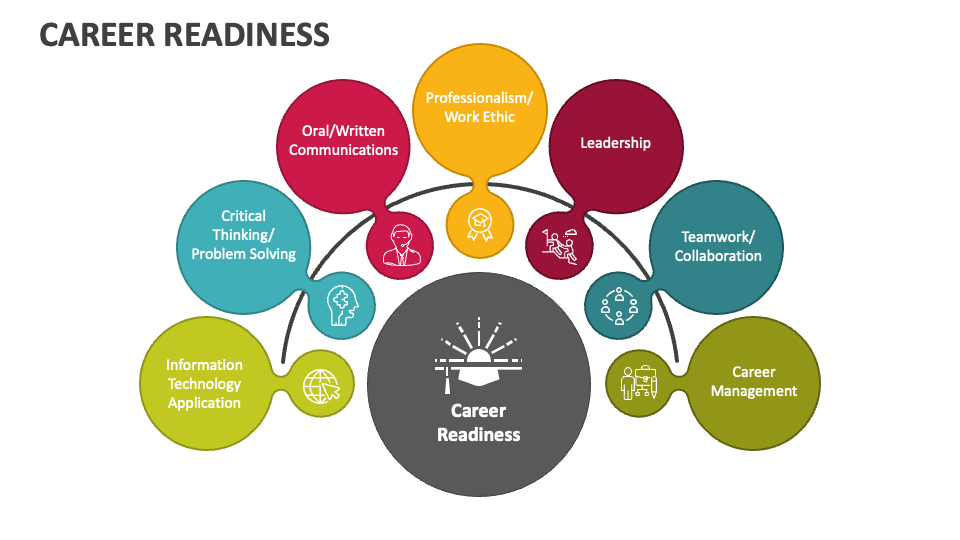
Here’s the plot twist: You’re not starting from zero. Your past experiences are packed with transferable skills that can be repurposed into your new field. The key is to reframe your narrative. For example, if you’ve spent years in customer service, you already have the soft skills—communication, problem-solving, conflict resolution—that are gold in roles like HR or client success. The trick is to translate those skills into the language of your target industry.
Consider the STAR method (Situation, Task, Action, Result) to structure your stories. When you’re explaining your career pivot, frame it as a journey of growth rather than a leap of desperation. “In my previous role, I managed cross-functional teams to streamline workflows—now I’m eager to apply that same strategic thinking to optimizing healthcare operations.” See how that sounds less like a career crisis and more like a calculated move?
Another pro tip? Highlight any unconventional credentials that might give you an edge. Have you volunteered in a related field? Led a community project? Organized a conference? These experiences can be framed as real-world applications of your newfound knowledge. Employers love candidates who can demonstrate initiative—not just compliance.
Navigating the Credentialing Maze: Pitfalls to Avoid
Not all credentials are worth the paper they’re printed on. Before you invest time or money, do your homework. Start with the accreditation—is the issuing body recognized in your industry? A quick Google search for “[Certification Name] + accreditation” can save you from a costly mistake. Next, check the pass rates and alumni reviews. If 90% of test-takers fail, or if graduates report that the certification didn’t help them land jobs, it’s time to walk away.
Beware of vanity credentials—those flashy certifications offered by for-profit schools that promise the moon but deliver little more than a bill. These often lack industry recognition and can even raise red flags with hiring managers. Stick to credentials from reputable organizations, like professional associations (e.g., SHRM for HR, PMI for project management) or well-known platforms (e.g., Coursera, edX).
Timing is everything. Don’t rush into a credentialing program before you’ve done your due diligence. Ask yourself: Is this certification still relevant in two years? Industries evolve fast, and a credential that’s in demand today might be obsolete tomorrow. Stay ahead of the curve by following industry blogs, attending webinars, and joining professional groups on LinkedIn.
From Credentials to Confidence: Putting It All Together
Now that you’ve armed yourself with the right credentials, it’s time to showcase them. Your resume and LinkedIn profile should act as a living portfolio of your new expertise. Use keywords from job descriptions to ensure your profile passes the applicant tracking system (ATS) test. For example, if you’ve earned a Project Management Professional (PMP) certification, sprinkle phrases like “PMP-certified,” “agile methodologies,” and “stakeholder management” throughout your summary and experience sections.
Networking is your secret weapon. Join industry-specific groups on LinkedIn, attend virtual conferences, and don’t be afraid to reach out to professionals in your target field. A simple message like, “I’m transitioning into [industry] and earned [credential]—I’d love to hear your insights!” can open doors you never knew existed. People love helping those who show initiative—and your credentials prove you’re serious.
Finally, prepare for the inevitable interview questions about your career change. Practice your pitch until it feels natural. “I’ve always been passionate about [new field], and my background in [old field] has given me a unique perspective on [relevant skill]. That’s why I pursued [credential] to bridge the gap.” Confidence isn’t about having all the answers; it’s about showing you’re willing to learn and adapt.
Remember, credentialing isn’t a one-size-fits-all solution. It’s a tool—a way to signal to the world that you’re not just a career changer, but a strategic one. The path won’t always be linear, and there will be moments of doubt. But with the right credentials in your arsenal, you’ll step into your new role not as an outsider, but as a contender.
So, are you ready to turn your career pivot into a power move? The door to your next chapter is waiting—all you need is the right key. And that key? It might just be a credential you haven’t earned yet.
Leave a comment