


In the labyrinthine corridors of modern corporate ecosystems, where talent retention and operational agility are the twin pillars of sustainable growth, a silent revolution is brewing. It’s not about ping-pong tables in the break room or free kombucha on tap—though those have their place. No, this revolution is digital, decentralized, and driven by something far more potent: blockchain badges. Imagine a world where your employees’ skills aren’t just listed on a résumé but are verifiable, portable, and—most crucially—monetizable. That world is here, and it’s delivering a 200% return on investment for organizations bold enough to embrace it.
But how? How does a seemingly esoteric technology like blockchain, often associated with cryptocurrencies and speculative markets, translate into tangible business value? The answer lies in the unassuming power of micro-credentials and verifiable digital badges. These aren’t your grandfather’s participation trophies. They’re cryptographically secure, tamper-proof tokens that attest to an individual’s competencies, achievements, and even their potential for internal mobility. And when wielded strategically, they can transform an organization’s talent pipeline from a stagnant pond into a dynamic, self-sustaining ecosystem.

The Alchemy of Blockchain Badges: Turning Skills into Currency
At the heart of this transformation is the concept of skill atomization—the process of breaking down an employee’s expertise into granular, bite-sized credentials. Traditional performance reviews and skill assessments are often vague, subjective, and trapped in siloed HR systems. Blockchain badges, however, are the antithesis of opacity. Each badge is a smart contract encoded with metadata: who issued it, what competencies it represents, when it was earned, and how it can be validated. This isn’t just data; it’s liquid talent.
Consider the case of a mid-level software engineer who’s mastered a niche programming language. In a conventional setup, their proficiency might be buried in a performance review or a LinkedIn endorsement—both of which are easily overlooked. But with a blockchain badge, that skill becomes a fungible asset. It can be traded internally for lateral moves, used to negotiate promotions, or even monetized in gig-based projects. The badge doesn’t just sit in a drawer; it circulates, creating a secondary market for talent within the organization.
This circulation is where the magic happens. When employees see their skills recognized in real-time and rewarded with opportunities, engagement skyrockets. Turnover plummets. And the organization? It gains a self-optimizing workforce that aligns itself with strategic priorities without the need for top-down mandates. It’s the corporate equivalent of a Darwinian meritocracy, where the fittest (or most skilled) rise to the top—not by politics, but by proof.
From Static Résumés to Dynamic Talent Graphs: The Visualization of Potential
One of the most underrated benefits of blockchain badges is their ability to visualize talent in ways that were previously impossible. Traditional HR systems are static, often resembling a spreadsheet more than a living, breathing organism. Blockchain badges, however, can be aggregated into a temporal talent graph—a dynamic network that maps an employee’s skills over time, their growth trajectories, and even their latent potential.
Imagine a dashboard where managers can see not just who’s available for a project, but who could be with the right upskilling. The graph might reveal that a customer service rep has quietly been earning badges in data analytics, making them a prime candidate for a hybrid role. Or it might highlight a gap in leadership competencies, prompting targeted mentorship programs. This isn’t just predictive analytics; it’s prescriptive mobility.
The ripple effects are profound. For employees, it’s a roadmap to career progression that’s transparent and merit-based. For managers, it’s a crystal ball that reduces the guesswork in succession planning. And for the organization, it’s a force multiplier—unlocking hidden value in existing talent rather than constantly recruiting from the outside.
The Hidden Costs of Stagnation: Why Inaction Is the Real Risk
It’s tempting to dismiss blockchain badges as a “nice-to-have” innovation, especially when the upfront costs of implementation—technology, training, change management—seem daunting. But the cost of inaction is far greater. In a world where skills obsolescence is accelerating at an unprecedented pace, organizations that fail to adapt risk becoming digital dinosaurs.
Consider the opportunity cost of a high-potential employee leaving because they feel their skills are undervalued. The recruitment process to replace them? Expensive. The onboarding time? Lengthy. The institutional knowledge lost? Irreplaceable. Blockchain badges don’t just mitigate these risks; they flip the script. By making internal mobility frictionless, they give employees a reason to stay—and a clear path to grow.
Moreover, in an era where employee experience is a key differentiator, organizations that leverage blockchain badges signal a commitment to transparency, fairness, and innovation. They attract top talent not just with perks, but with a culture that rewards merit and fosters continuous learning. The message is clear: We see you. We value you. And we’ll help you grow.
Measuring the Unmeasurable: The ROI of Intangible Assets
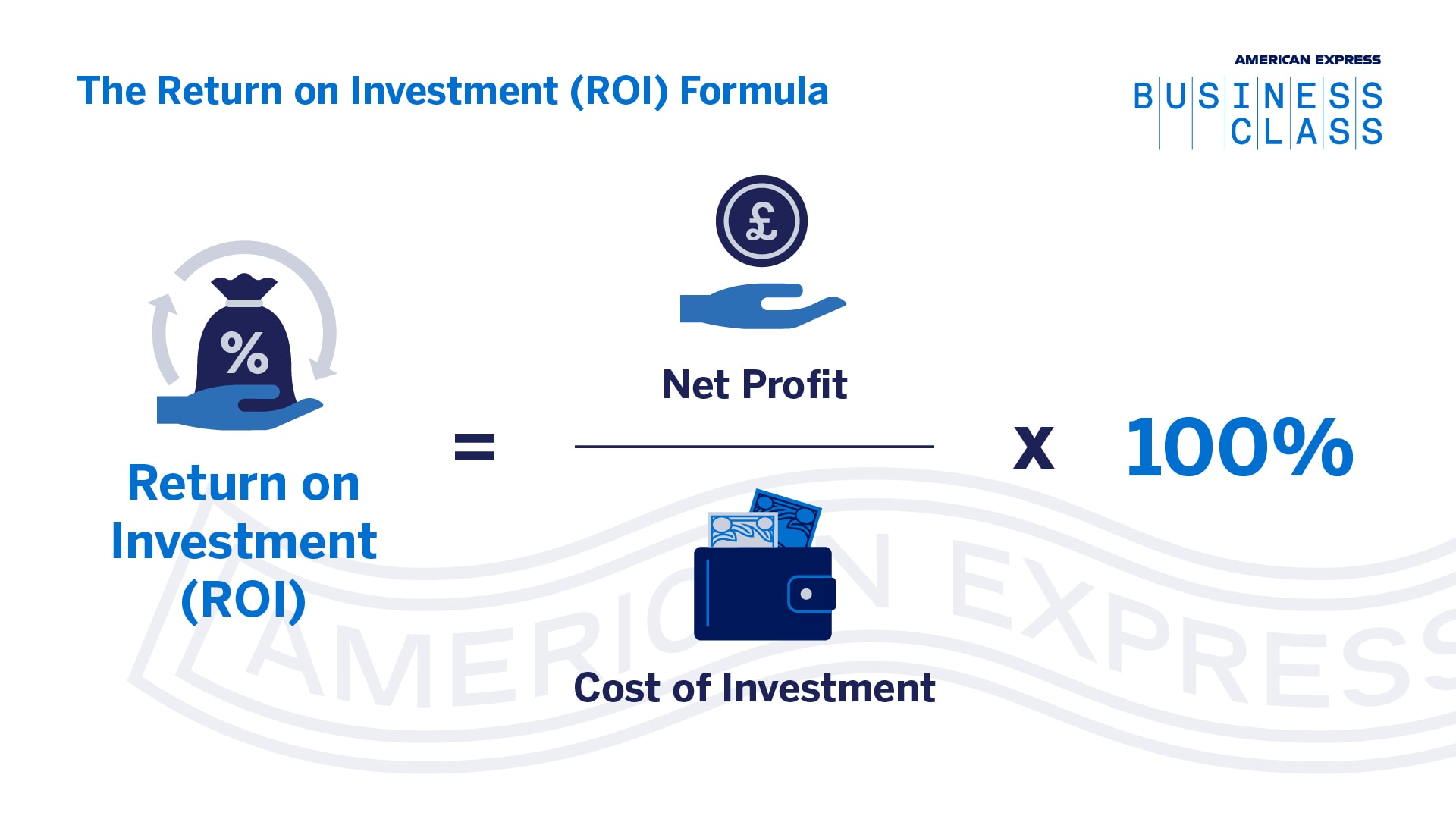
ROI is often reduced to a simple equation: (Gain from Investment – Cost of Investment) / Cost of Investment. But when the “gain” includes intangible assets like employee morale, institutional knowledge, and organizational agility, the math becomes more nuanced. Blockchain badges deliver a compound ROI that compounds over time, touching every facet of the business.
Let’s break it down:
- Reduced Turnover Costs: Employees who see a clear path to advancement are 50% less likely to leave, according to Gallup. The savings? Hundreds of thousands, if not millions, per year.
- Faster Time-to-Productivity: When employees can self-select into roles that match their skills, ramp-up time drops by up to 40%. Projects get delivered faster. Revenue accelerates.
- Increased Innovation: A workforce that’s constantly learning and adapting is a workforce that’s primed for breakthroughs. Blockchain badges create a feedback loop where skills beget opportunities, which beget more skills.
- Enhanced Employer Brand: In a competitive talent market, organizations that leverage cutting-edge tools stand out. They’re not just employers; they’re talent marketplaces.
But perhaps the most compelling metric is the opportunity cost of stagnation. What’s the price of a workforce that’s stuck in place? Of managers who can’t see the talent right in front of them? Of employees who feel invisible? The answer is incalculable—and it’s the real cost of doing nothing.
The Future Is Fluid: How Blockchain Badges Are Redefining Work
We’re on the cusp of a paradigm shift in how work is organized, rewarded, and valued. Blockchain badges are just the beginning. The next frontier? Decentralized talent marketplaces, where employees can trade their skills like cryptocurrency, and organizations can tap into a global pool of verified expertise on demand.
Imagine a future where a marketing manager in New York can instantly verify a designer’s proficiency in a specific tool, or where a project lead in Berlin can assemble a cross-functional team from across the globe—all without a single email chain or LinkedIn message. This isn’t science fiction. It’s the logical evolution of verifiable credentials in a digital-first world.
For organizations, the message is clear: adapt or be disrupted. The companies that thrive in this new era will be those that treat their employees not as cogs in a machine, but as nodes in a dynamic network—each with unique value to contribute, and each empowered to unlock their full potential.

The story of blockchain badges isn’t just about technology. It’s about people. It’s about recognizing that talent isn’t a static asset to be hoarded, but a dynamic force to be unleashed. It’s about creating a workplace where ambition isn’t stifled by bureaucracy, and where growth isn’t a privilege reserved for the few, but a right extended to all.
Organizations that embrace this philosophy aren’t just investing in badges—they’re investing in a future where their greatest asset—their people—isn’t just managed, but magnified. And in that future, the returns aren’t just measured in dollars. They’re measured in loyalty, innovation, and resilience. That’s a return worth pursuing.
Leave a comment