


Middle management stands at the crossroads of organizational strategy and frontline execution, a precarious perch where the weight of decisions often collides with the unpredictability of human dynamics. Among the many challenges they face, few are as pervasive—or as quietly destructive—as unresolved conflicts. These aren’t just the loud arguments in the break room or the passive-aggressive emails that linger in inboxes. They are the subtle tensions that fester beneath the surface, eroding trust, stifling innovation, and draining productivity like a slow leak in a ship’s hull. Yet, here’s the paradox: while conflict is inevitable, its resolution is not. The difference often lies in the power skills of those in the middle—skills that transcend technical expertise and delve into the art of influence, empathy, and strategic intervention.
What if the key to unlocking higher performance and smoother operations isn’t found in the boardroom’s grand strategies, but in the nuanced ability to navigate the human terrain of the workplace? This isn’t just about putting out fires; it’s about cultivating an environment where conflicts become catalysts for growth rather than obstacles to progress. Middle managers, often the unsung architects of organizational culture, hold the tools to transform discord into dialogue, resistance into collaboration, and frustration into forward momentum. The question isn’t whether conflict will arise—it’s how well they can wield the power skills of conflict resolution and influence to turn challenges into opportunities.
The Hidden Cost of Unresolved Conflict in the Workplace
Conflict, when left unaddressed, doesn’t merely simmer—it metastasizes. The financial toll is staggering: studies suggest that unresolved workplace conflicts drain billions annually in lost productivity, absenteeism, and turnover. But the true cost is often measured in intangibles—diminished morale, eroded psychological safety, and a culture where employees disengage rather than innovate. Middle managers, who sit at the nexus of team dynamics and organizational goals, are uniquely positioned to intercept these issues before they spiral. Yet, many default to avoidance or superficial fixes, unaware that their hesitation to engage often amplifies the very problems they seek to avoid.
Consider the silent epidemic of “quiet quitting,” where employees withdraw effort without formally resigning. Often, this stems from unresolved interpersonal conflicts that make the workplace feel like a minefield. Or take the case of a high-performing team whose productivity plummets after a leadership change—only to discover that the root cause was a long-simmering rivalry between two department heads, neither of whom felt empowered to address it. These aren’t isolated incidents; they’re symptoms of a systemic blind spot: the failure to recognize conflict as a signal, not just a problem.
Conflict Resolution: More Than Just Putting Out Fires
Conflict resolution isn’t a reactive tool; it’s a proactive discipline. At its core, it’s about understanding the underlying currents that drive discord—whether it’s competing priorities, misaligned values, or unmet emotional needs. Middle managers who excel in this arena don’t just mediate disputes; they decode the narratives behind them. A team member who consistently resists feedback, for example, might not be defiant by nature. They could be operating from a place of insecurity, where criticism feels like a threat to their competence. Recognizing this shifts the approach from confrontation to collaboration.
Effective resolution begins with active listening—a skill that’s deceptively simple yet rarely mastered. It’s not about waiting for your turn to speak; it’s about hearing the emotions, fears, and aspirations beneath the words. Tools like the Socratic method can help uncover these layers, while frameworks such as the Thomas-Kilmann Conflict Mode Instrument provide a roadmap for navigating different conflict styles. But the real magic happens when managers blend these techniques with emotional intelligence, tailoring their approach to the individual rather than applying a one-size-fits-all solution.
The Art of Influence: Shaping Outcomes Without Authority
Influence is the silent force that turns resistance into buy-in and skepticism into advocacy. Unlike authority, which is granted by title, influence is earned through trust, consistency, and the ability to articulate a compelling vision. Middle managers, who often lack the hierarchical power of executives, must master this art to drive change. It’s not about manipulation or coercion; it’s about creating a gravitational pull that aligns individual goals with organizational objectives.
One of the most potent tools in this arsenal is framing—the ability to reframe challenges in a way that resonates with stakeholders. A manager who frames a new process as a “tool to reduce burnout” rather than a “mandatory efficiency drive” is more likely to secure buy-in. Similarly, social proof leverages the power of peer influence, where team members see their colleagues adopting a change and follow suit. But the most subtle yet powerful form of influence is reciprocity: when managers invest time in understanding their team’s needs, they create a debt of goodwill that can be called upon in moments of tension.
Consider the manager who notices two teams clashing over resource allocation. Instead of imposing a solution, they facilitate a dialogue where each team shares their constraints and priorities. The act of being heard often disarms defensiveness, and the shared understanding paves the way for a compromise that neither side could have achieved alone. This is influence in its purest form—not about winning, but about co-creating solutions that everyone can stand behind.
Bridging the Gap: From Conflict to Collaboration
The transition from conflict to collaboration isn’t linear; it’s a dance of patience, strategy, and emotional labor. Middle managers who excel in this space understand that resolution isn’t a destination but a process—one that requires both structure and flexibility. Structurally, they might implement conflict resolution protocols, such as regular check-ins or anonymous feedback channels, to catch issues early. Flexibly, they adapt their approach based on the situation, knowing that a brainstorming session might work for one team while a one-on-one conversation is better for another.
Another critical element is psychological safety—the belief that one can speak up without fear of retribution. Google’s Project Aristotle famously identified this as the cornerstone of high-performing teams. Managers can cultivate it by modeling vulnerability (e.g., admitting mistakes), normalizing dissent (e.g., encouraging “devil’s advocate” perspectives), and rewarding constructive feedback. When team members feel safe, conflicts become less about ego and more about problem-solving.
The Ripple Effect: How Middle Managers Shape Organizational Culture
The decisions and behaviors of middle managers don’t just impact their immediate teams; they send ripples through the entire organization. A manager who consistently resolves conflicts with fairness and transparency sets a standard for how disputes are handled company-wide. Conversely, a manager who avoids tough conversations or plays favorites erodes trust and fosters a culture of cynicism. This is why power skills like conflict resolution and influence are so critical—they’re not just individual competencies but the bedrock of organizational health.
Take the example of a company that introduced a new performance review system. The rollout was met with resistance from managers who felt the process was overly bureaucratic. Instead of pushing back against headquarters, a middle manager took the initiative to pilot a simplified version with their team, gathering feedback and iterating based on real-world use. Their success story became a case study, influencing the broader adoption of the system. This manager didn’t just resolve a conflict; they reshaped the organization’s approach to change management.
Building Your Toolkit: Practical Steps for Mastery
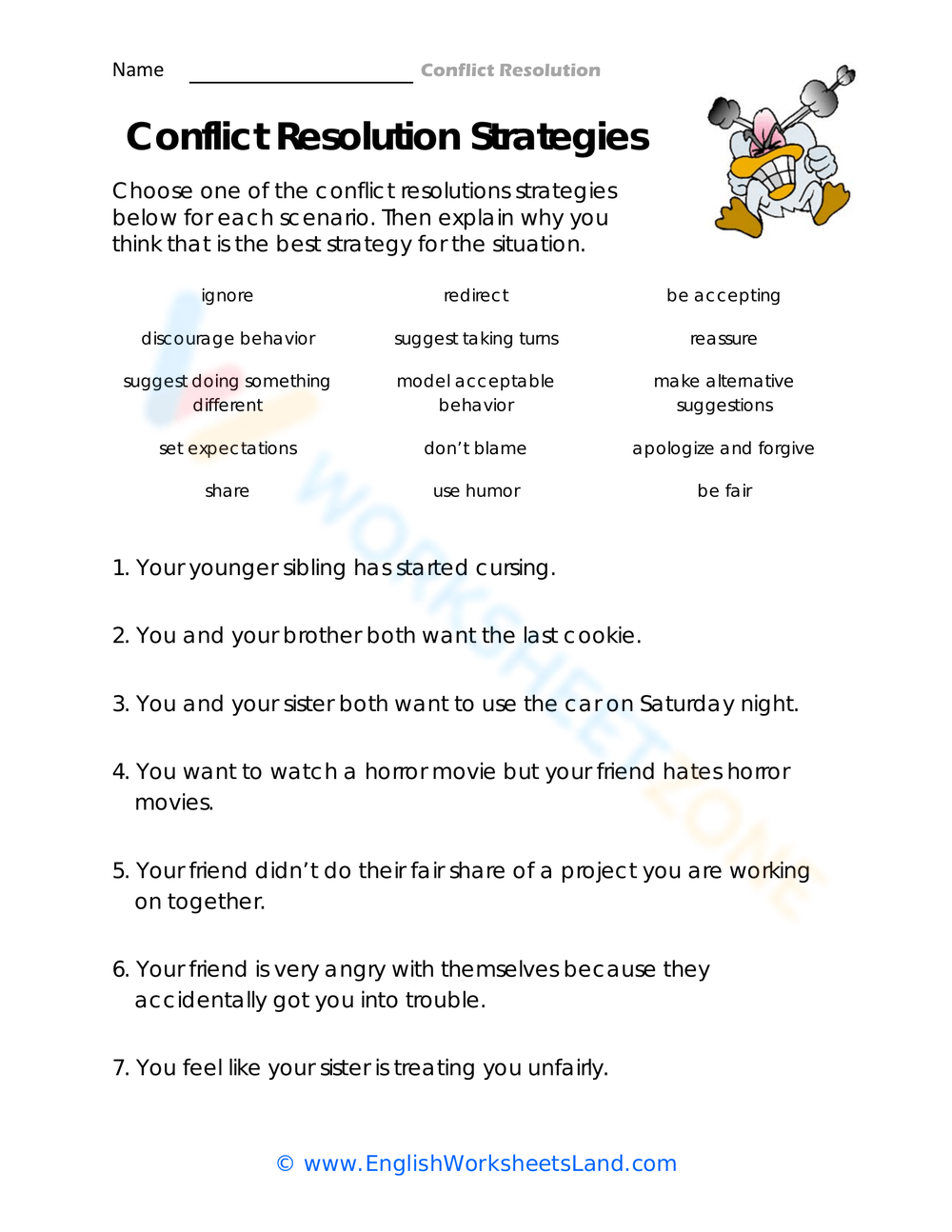
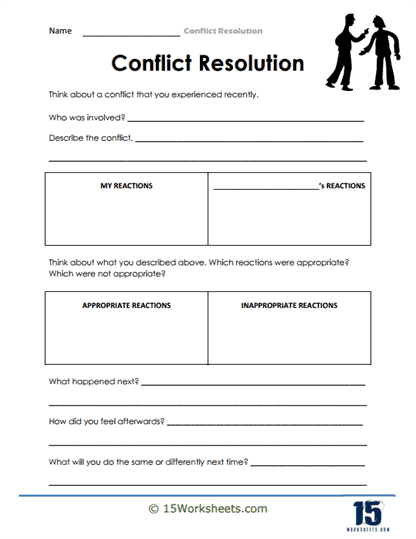
Developing these power skills isn’t a one-time training session; it’s a lifelong practice. Start by auditing your own conflict style—are you a avoider, accommodator, competitor, or collaborator? Tools like the Thomas-Kilmann instrument can provide clarity. Next, practice emotional labeling, where you name the emotions you’re observing in others (e.g., “It sounds like you’re feeling undervalued”). This simple technique can defuse tension and foster empathy.
For influence, focus on storytelling—crafting narratives that connect change to shared values. Instead of saying, “We need to cut costs,” try, “Here’s how this change protects our team’s future.” Additionally, seek out mentorship from leaders who excel in these areas, and don’t shy away from feedback. The most effective managers are those who treat their skills as works in progress, constantly refining their approach based on outcomes.
The path to mastering conflict resolution and influence isn’t paved with grand gestures or silver bullets. It’s built on the quiet, consistent acts of listening, adapting, and leading by example. Middle managers who embrace this challenge don’t just navigate the complexities of their roles—they redefine what it means to lead. In a world where change is the only constant, their power skills become the compass that guides teams through uncertainty, turning conflicts into opportunities and resistance into resilience. The question isn’t whether they’re up to the task; it’s how soon they’ll start.
Leave a comment