


In the bustling arena of customer success, where every interaction can pivot the trajectory of a business relationship, two power skills reign supreme: active listening and adaptability. These aren’t just buzzwords tossed around in corporate training manuals—they are the bedrock upon which trust is built, solutions are crafted, and loyalty is forged. Imagine a customer success manager navigating a turbulent conversation with a frustrated client. Without active listening, the manager might miss the subtle cues beneath the client’s frustration—the unspoken fears, the veiled expectations, the hidden priorities. Without adaptability, the manager might cling to a rigid script, oblivious to the shifting sands of the client’s needs. Together, these skills transform reactive problem-solving into proactive relationship-building, turning every customer interaction into an opportunity for growth and connection.
But what do these skills truly entail, and how can you wield them with precision? Let’s embark on a journey through the nuances of active listening and adaptability, exploring their multifaceted applications, the pitfalls to avoid, and the transformative impact they can have on your customer success strategy. Whether you’re a seasoned professional or a newcomer to the field, this guide will equip you with the tools to elevate your approach and deliver exceptional value to your customers.
The Art of Active Listening: More Than Just Hearing
Active listening is the cornerstone of meaningful communication. It’s not merely the act of hearing words but the deliberate practice of absorbing, interpreting, and responding to the full spectrum of a speaker’s message. This includes their tone, pace, body language, and even the pauses between their words. When a customer expresses dissatisfaction, active listening involves discerning whether their frustration stems from a product flaw, a misalignment in expectations, or an external factor entirely unrelated to your service. It’s about reading between the lines to uncover the real issue, not just the one presented on the surface.
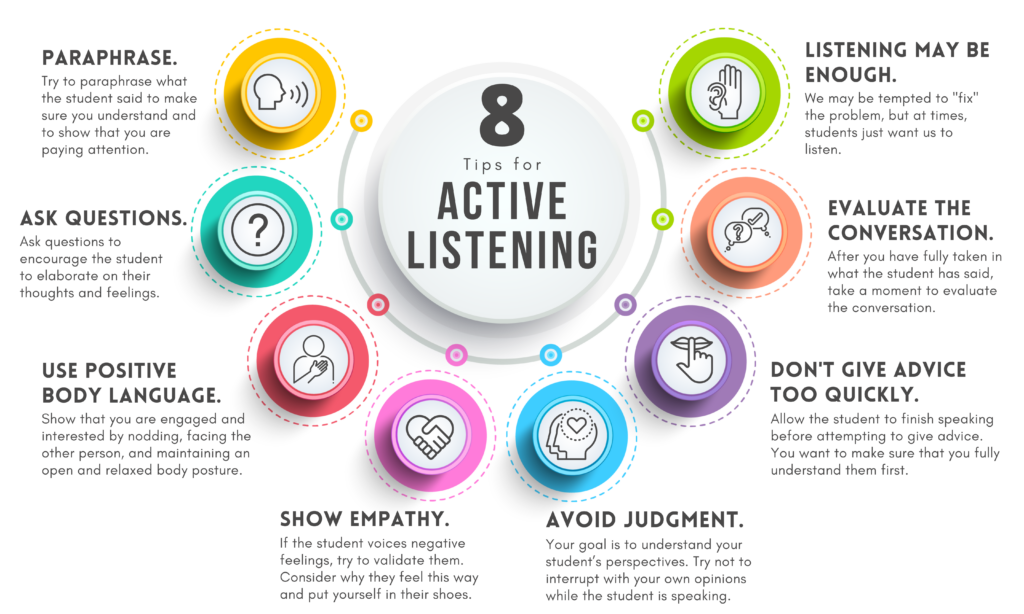
To master active listening, start by eliminating distractions. Silence your phone, close unnecessary browser tabs, and maintain eye contact. Nod occasionally to signal engagement, but avoid interrupting. Instead, use verbal affirmations like “I see,” “That makes sense,” or “Tell me more about that.” These cues reassure the speaker that you’re fully present and invested in their words. Paraphrasing is another powerful tool—restating what the customer has said in your own words not only confirms your understanding but also demonstrates empathy. For example, if a customer says, “I’m frustrated because the onboarding process was overwhelming,” you might respond, “It sounds like the initial setup didn’t meet your expectations for simplicity.” This validates their feelings and opens the door for a collaborative solution.
Active listening also requires patience. Some customers may take time to articulate their thoughts, especially when emotions are involved. Resist the urge to rush them or fill silences with premature solutions. Instead, let them process their own words. You’ll often find that the most profound insights emerge from these moments of quiet reflection. Additionally, be mindful of your own biases. We all filter information through our experiences, but active listening demands that you set those filters aside to truly hear the customer’s perspective. This is where adaptability comes into play—because listening isn’t just about understanding; it’s about being ready to pivot when the conversation takes an unexpected turn.
Adaptability: The Chameleon Skill of Customer Success
Adaptability is the ability to adjust your approach in real-time, tailoring your responses to the unique contours of each customer interaction. It’s the difference between a one-size-fits-all solution and a bespoke experience designed to meet the customer’s specific needs. In customer success, adaptability isn’t just a soft skill—it’s a survival tactic. Markets shift, customer priorities evolve, and unexpected challenges arise. A rigid approach will leave you scrambling, while adaptability allows you to navigate these changes with agility and confidence.
To cultivate adaptability, start by embracing a growth mindset. View every interaction as a learning opportunity, even if it doesn’t go as planned. When a customer’s needs diverge from your initial assumptions, resist the temptation to force a fit. Instead, ask clarifying questions to uncover the root of their concerns. For instance, if a customer rejects a proposed solution, dig deeper: “I notice this approach isn’t resonating with you. Can you share what’s missing?” Their response might reveal a need you hadn’t considered, prompting you to pivot your strategy entirely.
Another key aspect of adaptability is flexibility in communication styles. Some customers prefer data-driven discussions, while others respond better to storytelling or emotional appeals. Pay attention to their preferences and adjust your tone, pace, and content accordingly. If a customer is analytical, provide detailed case studies or ROI projections. If they’re more intuitive, focus on the broader vision and long-term benefits. This level of customization demonstrates that you’re not just listening to their words but also to their preferred way of engaging.
Adaptability also means being comfortable with ambiguity. Not every customer interaction will have a clear path forward, and that’s okay. Sometimes, the best course of action is to acknowledge the uncertainty and commit to exploring solutions together. For example, if a customer is unsure about a new feature, you might say, “I understand this is a big decision. Let’s walk through the pros and cons together so you can feel confident moving forward.” This collaborative approach builds trust and positions you as a partner rather than a vendor.

Synergy in Action: How Active Listening and Adaptability Work Together
The magic happens when active listening and adaptability converge. Active listening provides the raw material—the customer’s needs, concerns, and unspoken desires—while adaptability shapes that material into a tailored response. Together, they create a dynamic feedback loop that fosters deeper connections and more effective solutions. Consider a scenario where a customer expresses frustration with a delayed feature rollout. An active listener would pick up on the emotional weight behind their words, perhaps noting that the delay is causing them to miss a critical deadline. An adaptable professional would then pivot from a generic apology to a proactive solution, such as expediting a workaround or offering a temporary alternative to mitigate the impact.
This synergy is particularly powerful in high-stakes conversations, such as contract renewals or escalations. When a customer threatens to churn, active listening helps you uncover the underlying reasons—are they dissatisfied with the product, the support, or the pricing? Adaptability then allows you to address those reasons head-on, whether that means renegotiating terms, providing additional training, or introducing a new feature. The key is to listen first, adapt second, and always keep the customer’s ultimate success at the forefront of your actions.
To harness this synergy, practice what we call “dynamic empathy.” This goes beyond passive understanding to actively co-creating solutions with the customer. For example, if a customer shares a challenge they’re facing, instead of immediately offering a predefined solution, ask, “What would success look like for you in this situation?” Their answer might reveal a need you hadn’t anticipated, prompting you to adapt your approach on the spot. This collaborative problem-solving not only resolves the immediate issue but also strengthens the customer’s trust in your ability to meet their evolving needs.
Common Pitfalls and How to Avoid Them
Even the most skilled professionals can stumble when it comes to active listening and adaptability. One of the most common pitfalls is the “solution trap”—the urge to jump into problem-solving mode before fully understanding the customer’s perspective. This often happens when we’re under pressure to resolve issues quickly or when we’re eager to showcase our expertise. To avoid this, practice the 80/20 rule: spend 80% of your time listening and 20% speaking. This ensures you’re gathering enough context to craft a meaningful response.
Another pitfall is over-adapting. While adaptability is a strength, constantly shifting your approach can come across as inconsistent or lacking conviction. The key is to find a balance between being flexible and maintaining a clear, authentic presence. For example, if a customer requests a feature that doesn’t align with your product roadmap, adaptability doesn’t mean promising something you can’t deliver. Instead, it means exploring alternative solutions or setting realistic expectations. Transparency builds trust, even when the news isn’t what the customer wants to hear.
Lastly, beware of confirmation bias—the tendency to interpret information in a way that confirms your preexisting beliefs. This can blind you to the customer’s true needs, especially if you’re quick to assume you know what they want. To combat this, approach every conversation with a beginner’s mindset. Ask open-ended questions and avoid leading statements that steer the customer toward your preferred outcome. The goal is to uncover the truth, not to validate your assumptions.

Real-World Applications: Putting Skills into Practice
The true test of active listening and adaptability lies in their application. Let’s explore how these skills play out in different customer success scenarios, from onboarding to churn prevention.
Onboarding: During the onboarding phase, active listening helps you identify any gaps in the customer’s knowledge or misalignments between their expectations and your product’s capabilities. For example, if a customer struggles with a particular feature, adaptability allows you to tailor your training approach—perhaps by providing a video tutorial instead of a lengthy manual. This personalized touch accelerates their time to value and sets the stage for a long-term partnership.
Feature Requests: When a customer requests a new feature, active listening helps you discern whether this is a critical need or a “nice-to-have.” Adaptability then enables you to prioritize their request within your product roadmap or explore workarounds. For instance, if the feature isn’t feasible in the near term, you might suggest a third-party integration or a manual process to bridge the gap until the feature is available.
Escalations: In high-pressure escalation scenarios, active listening is your lifeline. It helps you de-escalate tension by acknowledging the customer’s frustration and validating their concerns. Adaptability then allows you to pivot from damage control to solution-building. For example, if a customer is upset about a billing error, you might listen empathetically, then adapt by expediting a refund or offering a discount on their next invoice. This turns a negative experience into an opportunity to rebuild trust.
Renewals: During renewal conversations, active listening helps you uncover the customer’s evolving needs and concerns. Adaptability allows you to address those concerns proactively, whether that means adjusting pricing, adding new features, or providing additional support. For example, if a customer is hesitant to renew due to budget constraints, you might adapt by offering a phased rollout or a flexible payment plan. This demonstrates your commitment to their success, not just your revenue.
The Long-Term Impact: Building a Culture of Customer-Centricity
The benefits of mastering active listening and adaptability extend far beyond individual interactions. When these skills become ingrained in your customer success strategy, they foster a culture of customer-centricity that permeates every level of your organization. Teams that prioritize active listening are better at identifying trends and pain points, allowing them to proactively address issues before they escalate. Adaptable teams, on the other hand, are more resilient in the face of change, able to pivot quickly when market conditions shift or customer needs evolve.
This culture also extends to product development. When customer success teams actively listen and adapt, their insights become invaluable to product managers and engineers. They can highlight unmet needs, suggest feature improvements, and advocate for changes that align with customer priorities. This closed-loop feedback system ensures that your product remains relevant and competitive, driving long-term growth and customer satisfaction.
Moreover, a customer-centric culture attracts and retains top talent. Professionals who thrive in this environment are those who genuinely enjoy solving problems, building relationships, and making a tangible impact. They’re not just motivated by metrics or quotas; they’re driven by the opportunity to create meaningful experiences for customers. This passion is contagious, inspiring teams to go above and beyond in their pursuit of excellence.
To cultivate this culture, start by modeling the behaviors you want to see. Demonstrate active listening in your own interactions, and encourage your team to do the same. Celebrate adaptability by sharing stories of how teams pivoted to meet a customer’s unique needs. Provide training and resources to help your team develop these skills, and recognize and reward those who embody them. Over time, these practices will become second nature, shaping a customer success organization that is as agile as it is empathetic.
In the end, active listening and adaptability are more than just skills—they are the hallmarks of a customer success professional who doesn’t just meet expectations but redefines them. They are the tools that transform transactions into relationships, challenges into opportunities, and customers into advocates. By honing these skills, you’re not just improving your own performance; you’re elevating the entire customer experience, one interaction at a time.
Leave a comment