


The allure of digital twins and virtual influencers is undeniable. They flicker across screens like ghostly doppelgängers, blurring the lines between reality and simulation. Yet beneath their polished veneer lies a labyrinth of ethical quandaries that society has only begun to unravel. These digital entities, whether avatars in broadcasting or influencer personas, are not mere novelties—they are harbingers of a cultural metamorphosis, reshaping how we perceive identity, authenticity, and trust. As their presence grows, so too does the urgency to interrogate the moral frameworks that govern their existence. What does it mean when a synthetic persona can command attention, sway opinions, and even embody human traits with unsettling precision? The fascination is not just technological; it is existential, probing the very essence of what it means to be real in an age of hyper-realism.
This duality—between enchantment and unease—demands scrutiny. Digital twins, once confined to industrial simulations, now straddle the realms of entertainment and influence. Virtual influencers, with their meticulously crafted personas, peddle products and ideologies with the same fervor as flesh-and-blood celebrities. Yet, their artificiality raises a disquieting question: Can something devoid of consciousness truly possess integrity? The answer is not binary. It is a spectrum of ethical considerations that challenge our notions of consent, transparency, and the commodification of identity. To navigate this terrain, we must dissect the layers of deception, the illusions of connection, and the power dynamics that underpin these digital phantoms.
The Illusion of Authenticity: When Pixels Masquerade as People
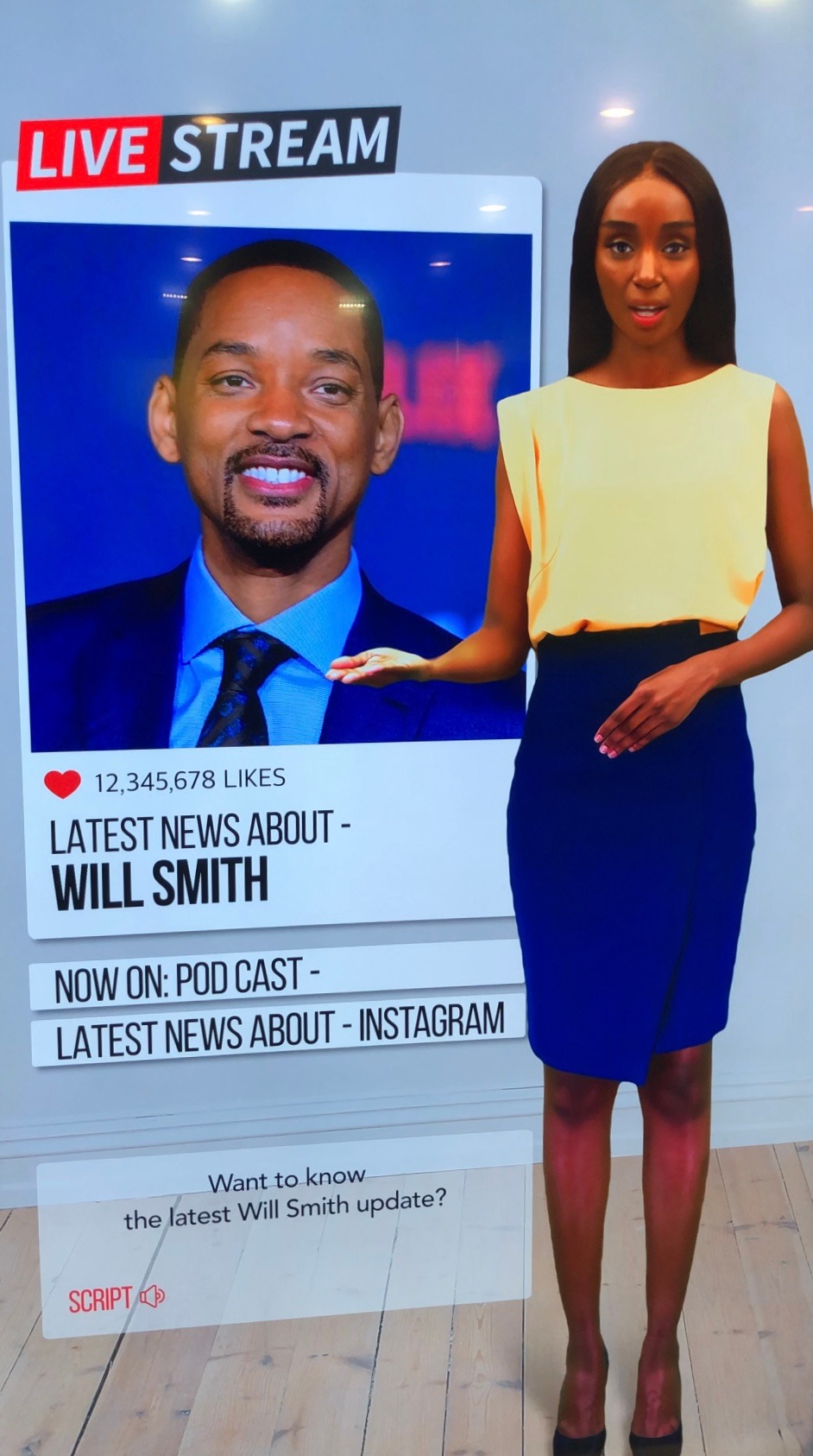
At first glance, digital twins and virtual influencers appear as paragons of authenticity. Their creators meticulously design their appearances, voices, and personalities to resonate with human emotions. A virtual influencer might share “personal” anecdotes, express empathy, or even “struggle” with relatable challenges—all while being a construct of algorithms and code. This hyper-realism is no accident; it is a calculated strategy to exploit the human brain’s predisposition for pattern recognition and emotional contagion. When a synthetic entity mimics vulnerability, it triggers the same neural pathways as a real person’s confession, forging a fleeting sense of intimacy.
Yet, this authenticity is a chimera. The emotions are programmed, the struggles are curated, and the connections are transactional. The ethical dilemma lies in the deception. Audiences, often unknowingly, invest emotional energy into entities that lack sentience. The line between entertainment and manipulation blurs when a virtual influencer’s “authentic” persona is leveraged to sell a product or ideology. Consider the case of a digital twin designed to represent a historical figure—its words and actions are filtered through the lens of its creators, not the figure itself. The result is a sanitized, commodified version of history, stripped of nuance and context. This erosion of truth is not merely a technological quirk; it is a cultural erosion, one that erodes the foundation of trust in digital spaces.
Moreover, the illusion of authenticity extends to the labor behind these entities. The teams of artists, writers, and programmers who breathe life into digital twins are often invisible, their contributions subsumed into the final product. The ethical responsibility for the entity’s actions—whether benign or harmful—falls on these unseen architects, raising questions about accountability. Who is liable when a virtual influencer’s messaging inadvertently promotes harmful stereotypes? The answer is not straightforward, but it underscores the need for ethical guardrails in the creation and deployment of these digital beings.
The Commodification of Identity: Who Owns the Digital Self?
The rise of digital twins and virtual influencers has ushered in a new era of identity commodification. In this economy, human traits—personality, appearance, even mannerisms—are distilled into marketable assets. A virtual influencer’s “personality” is a brand, its “life story” a narrative arc designed to maximize engagement. This transformation of identity into a product raises profound ethical questions about ownership and exploitation. Who truly owns the digital self? Is it the creator, the platform, or the audience that imbues it with meaning?
The answer is complex. On one hand, creators invest significant resources into developing these entities, imbuing them with unique traits and backstories. On the other, the digital self is often inspired by real people, cultures, or archetypes, raising concerns about cultural appropriation and misrepresentation. For instance, a virtual influencer modeled after a specific ethnicity or subculture may perpetuate stereotypes or dilute the richness of that identity. The ethical imperative here is to ensure that these digital constructs do not become vessels for exploitation, but rather, tools for inclusive storytelling.
Furthermore, the commodification of identity extends to the audience. Followers of virtual influencers often form parasocial relationships, investing time and emotion into entities that exist solely to monetize their attention. This dynamic is not inherently unethical, but it becomes problematic when the boundaries between genuine connection and exploitation blur. The ethical challenge is to foster transparency—making it clear that the relationship is one-sided, and that the influencer’s “personality” is a carefully crafted illusion. Without this clarity, audiences risk emotional manipulation, their trust exploited for commercial gain.
The commodification of identity also intersects with the gig economy. Many virtual influencers are managed by teams of freelancers—writers, animators, and social media managers—who are often underpaid and overworked. The ethical responsibility here extends beyond the creators to the platforms that profit from these entities. Platforms must ensure fair labor practices and provide transparency about the human labor behind the digital facade. Otherwise, the digital twin economy risks becoming a new frontier for exploitation, where human creativity is reduced to a line item in a profit-and-loss statement.
The Power of Persuasion: When Algorithms Shape Beliefs
Digital twins and virtual influencers wield a unique form of persuasive power—one that is amplified by the algorithms that govern their visibility. These algorithms are designed to maximize engagement, often prioritizing content that elicits strong emotional responses, regardless of its veracity. When a virtual influencer espouses a particular viewpoint, it is not merely a personal opinion; it is a calculated strategy to capture attention and drive interaction. The ethical concern here is the potential for manipulation, particularly when these entities are used to promote ideologies, products, or political agendas.
Consider the case of a virtual influencer advocating for a controversial cause. Its message, amplified by algorithms, can reach millions in a matter of hours. The danger lies in the lack of context—viewers may perceive the influencer’s stance as an objective truth, rather than a curated perspective. This phenomenon is exacerbated by the phenomenon of “deepfakes” and synthetic media, where digital twins can be made to say or do anything, further eroding trust in digital spaces. The ethical imperative is to demand transparency from platforms and creators, ensuring that audiences are aware when they are engaging with a synthetic entity and that its messaging is clearly labeled as such.
The persuasive power of digital twins extends beyond individual messaging to collective behavior. Virtual influencers often participate in trends, challenges, and viral campaigns, shaping cultural norms and consumer behavior. The ethical challenge here is to ensure that these entities are used responsibly, promoting positive behaviors rather than harmful ones. For example, a virtual influencer encouraging body positivity or environmental sustainability can have a net positive impact, while one promoting unrealistic beauty standards or consumerism can do harm. The responsibility lies with creators, platforms, and audiences to hold these entities accountable for their influence.
Moreover, the persuasive power of digital twins raises questions about the future of democracy. In an era where synthetic media can be weaponized to spread misinformation, the role of virtual influencers in shaping public opinion becomes a critical ethical issue. The challenge is to develop frameworks that prevent the misuse of these entities for propaganda or disinformation, while still allowing for their creative and commercial potential. This requires collaboration between technologists, ethicists, and policymakers to establish guardrails that protect the integrity of public discourse.
The Future of Trust: Can We Rebuild Integrity in a Synthetic World?
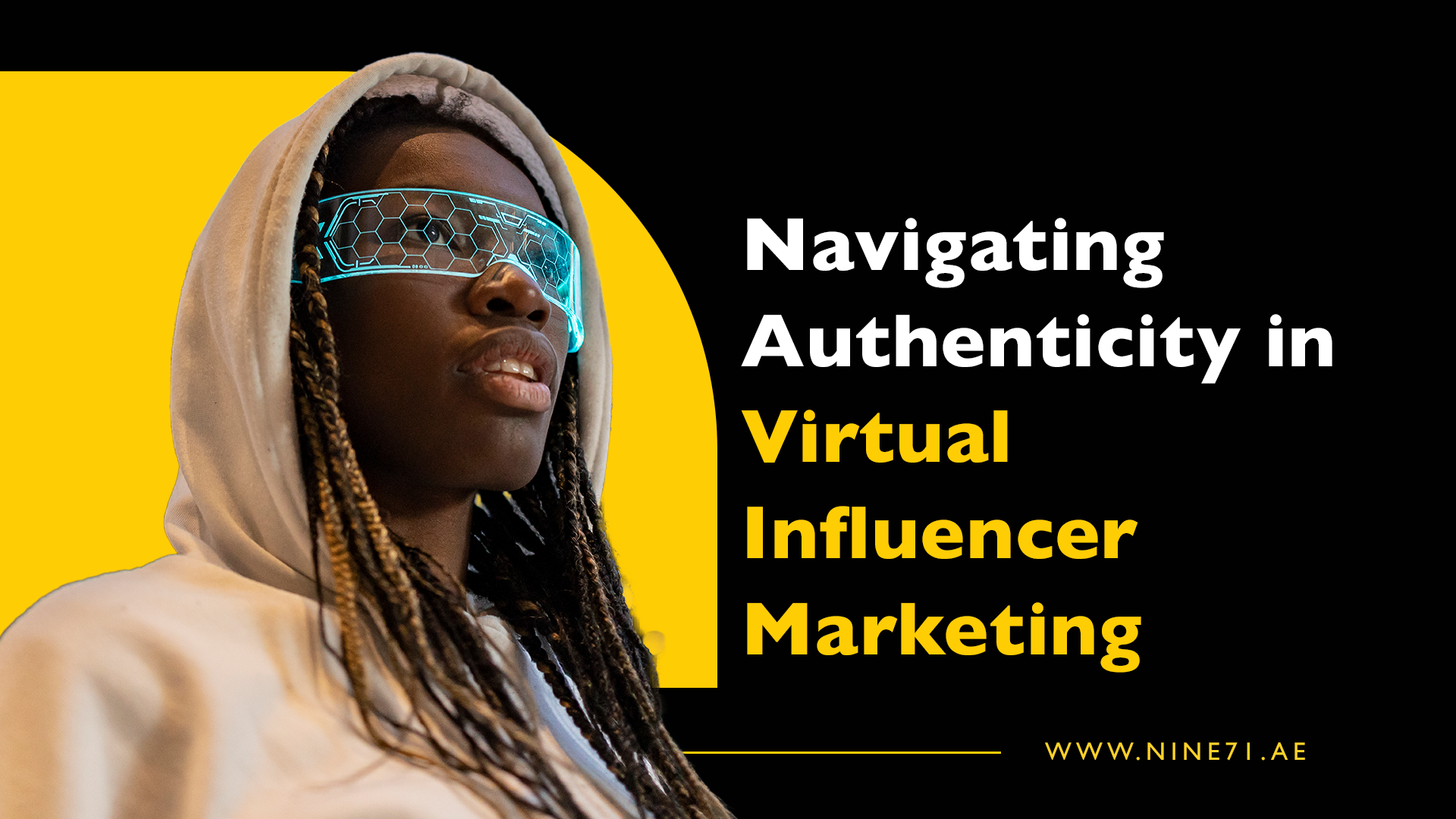
The proliferation of digital twins and virtual influencers has irrevocably altered the landscape of trust. In a world where synthetic entities can mimic human behavior with eerie precision, the traditional markers of authenticity—such as physical presence or emotional vulnerability—are no longer reliable. The ethical challenge is to redefine trust in a way that accommodates these new forms of interaction without sacrificing integrity. This requires a multifaceted approach, encompassing technological innovation, regulatory frameworks, and cultural shifts in perception.
Technologically, the solution may lie in blockchain and decentralized identity systems. These technologies can provide verifiable proof of an entity’s origins, ensuring that audiences can distinguish between real people and synthetic constructs. For example, a digital twin could be issued a cryptographic certificate that attests to its artificial nature, allowing users to make informed decisions about the content they consume. Such systems could also enable creators to claim ownership of their digital entities, preventing unauthorized use or exploitation.
Regulatory frameworks must also evolve to address the ethical challenges posed by digital twins and virtual influencers. Governments and industry bodies need to establish guidelines for transparency, accountability, and the responsible use of these entities. This includes mandating clear labeling of synthetic media, enforcing labor standards for the teams behind virtual influencers, and penalizing platforms that enable harmful behavior. The goal is to create a regulatory environment that fosters innovation while protecting the public from exploitation and manipulation.
Culturally, the shift in perception will require a collective reckoning with our relationship to digital entities. Audiences must be educated about the nature of virtual influencers and the mechanisms behind their persuasive power. This education should start early, integrating media literacy into school curricula to equip the next generation with the critical thinking skills needed to navigate a synthetic world. Additionally, creators and platforms must embrace a culture of ethical responsibility, prioritizing integrity over engagement metrics and profit margins.
The future of trust in a synthetic world is not a foregone conclusion. It is a dynamic interplay between technology, regulation, and culture, shaped by the choices we make today. The rise of digital twins and virtual influencers is not merely a technological phenomenon; it is a cultural reckoning. It forces us to confront the ethical implications of our creations, to question the boundaries of authenticity, and to redefine what it means to trust in an age of hyper-realism. The path forward is not without its challenges, but it is a path worth treading—for the sake of integrity, for the sake of humanity, and for the future of trust in a world where the line between real and synthetic is increasingly blurred.
The fascination with digital twins and virtual influencers is not just a fleeting trend; it is a mirror held up to society, reflecting our deepest desires and fears. As we stand on the precipice of this synthetic revolution, the ethical choices we make today will determine the kind of world we inhabit tomorrow. Will we embrace these digital phantoms with open arms, or will we demand the transparency and integrity that ensure they serve as tools for progress, rather than instruments of deception? The answer lies in our collective hands.
Leave a comment