


The digital frontier of 2026 is a battleground where algorithms clash in an unending arms race—one that pits the precision of AI detectors against the cunning of AI humanizers. As artificial intelligence reshapes content creation, the lines between human and machine-generated text blur, sparking a relentless pursuit for authenticity. This is not merely a technological skirmish; it is a cultural reckoning, where the integrity of information hangs in the balance. For writers, marketers, educators, and consumers alike, understanding this dynamic is no longer optional—it is essential. What follows is a deep dive into the evolving landscape of AI detection and humanization, revealing the strategies, pitfalls, and unexpected consequences of this high-stakes duel.
The Evolution of AI Detection: From Naïve Classifiers to Sentient Scrutiny
Gone are the days when AI detectors relied on rudimentary keyword spotting or perplexity scores to sniff out machine-generated prose. By 2026, detection systems have evolved into multi-modal sentinels, capable of dissecting syntax, semantics, and even stylistic idiosyncrasies with near-human acuity. Modern detectors employ ensemble models—blending transformer architectures, stylometric analysis, and behavioral biometrics—to expose the telltale fingerprints of AI. They scrutinize not just the text, but the rhythm of sentences, the cadence of paragraphs, and the subtle inconsistencies that betray an algorithm’s hand. Yet, as detection sophistication surges, so too does the sophistication of humanizers, creating a feedback loop where each advance in one camp spurs a countermeasure in the other.
AI Humanizers: The Art of Synthetic Authenticity
Humanizers are the alchemists of the digital age, transmuting cold, mechanical prose into something that feels organic, spontaneous, and deeply human. Their toolkit is vast: they employ lexical diversification, idiomatic phrasing, and deliberate syntactical irregularities to mimic the unpredictability of human thought. Some deploy adversarial techniques, training models to evade detection by exploiting the blind spots of classifier systems. Others rely on hybrid approaches, blending AI-generated drafts with human edits to create a seamless hybrid voice. The result? Content that resists easy categorization, slipping through the cracks of even the most advanced detectors. But this artistry comes at a cost—one that demands constant innovation, as the line between genuine human expression and meticulously crafted illusion grows ever thinner.
Content Types Most Vulnerable to Detection—and How Humanizers Strike Back
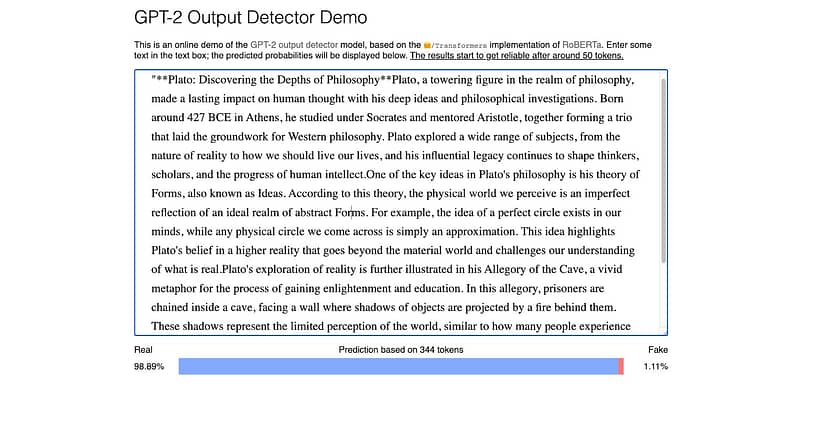
Not all content is created equal in the eyes of AI detectors. Academic papers, with their rigid structures and formulaic language, are prime targets, often flagged for excessive coherence or unnatural citation patterns. Marketing copy, too, faces scrutiny, as detectors hunt for the telltale signs of promotional jargon or overly polished phrasing. Even creative writing, once considered the bastion of human ingenuity, is now scrutinized for its adherence to tropes and predictable narrative arcs. Humanizers counter this by injecting idiosyncrasies—unexpected digressions, colloquialisms, or even deliberate errors—to disrupt the algorithms’ expectations. For technical writers, the challenge is even greater: balancing precision with personality, ensuring that manuals and documentation retain clarity without sounding like they were penned by a machine.
The Ethical Quagmire: Authenticity vs. Deception in the Digital Age
This arms race is not merely a technical spectacle; it is an ethical minefield. On one side, proponents of AI detection argue that transparency is paramount in an era of misinformation and deepfakes. They champion tools that preserve the sanctity of human-authored content, ensuring that readers can trust what they consume. On the other, defenders of humanizers contend that these tools democratize creativity, allowing non-native speakers, individuals with disabilities, or those pressed for time to express themselves without stigma. The debate rages: Is humanization a form of digital plagiarism, or is it a necessary evolution of communication? As AI-generated content floods the internet, the stakes could not be higher—trust in media, institutions, and even democracy itself hangs in the balance.
Emerging Technologies: The Next Frontiers in Detection and Humanization
The future belongs to those who can outmaneuver the limitations of current systems. In the detection camp, quantum-inspired algorithms promise to analyze text with unprecedented speed and accuracy, while blockchain-based verification systems aim to create immutable records of authorship. Meanwhile, humanizers are exploring neuromorphic computing, which mimics the brain’s adaptive learning to generate text that evolves in real time, evading static detection models. Voice and video humanization is also on the rise, with AI now capable of cloning a person’s tone, cadence, and even emotional inflections to produce synthetic media that is indistinguishable from the real thing. The implications are staggering—will we soon live in a world where no content can be trusted, or will new paradigms of authenticity emerge?
Practical Strategies for Writers and Creators in 2026
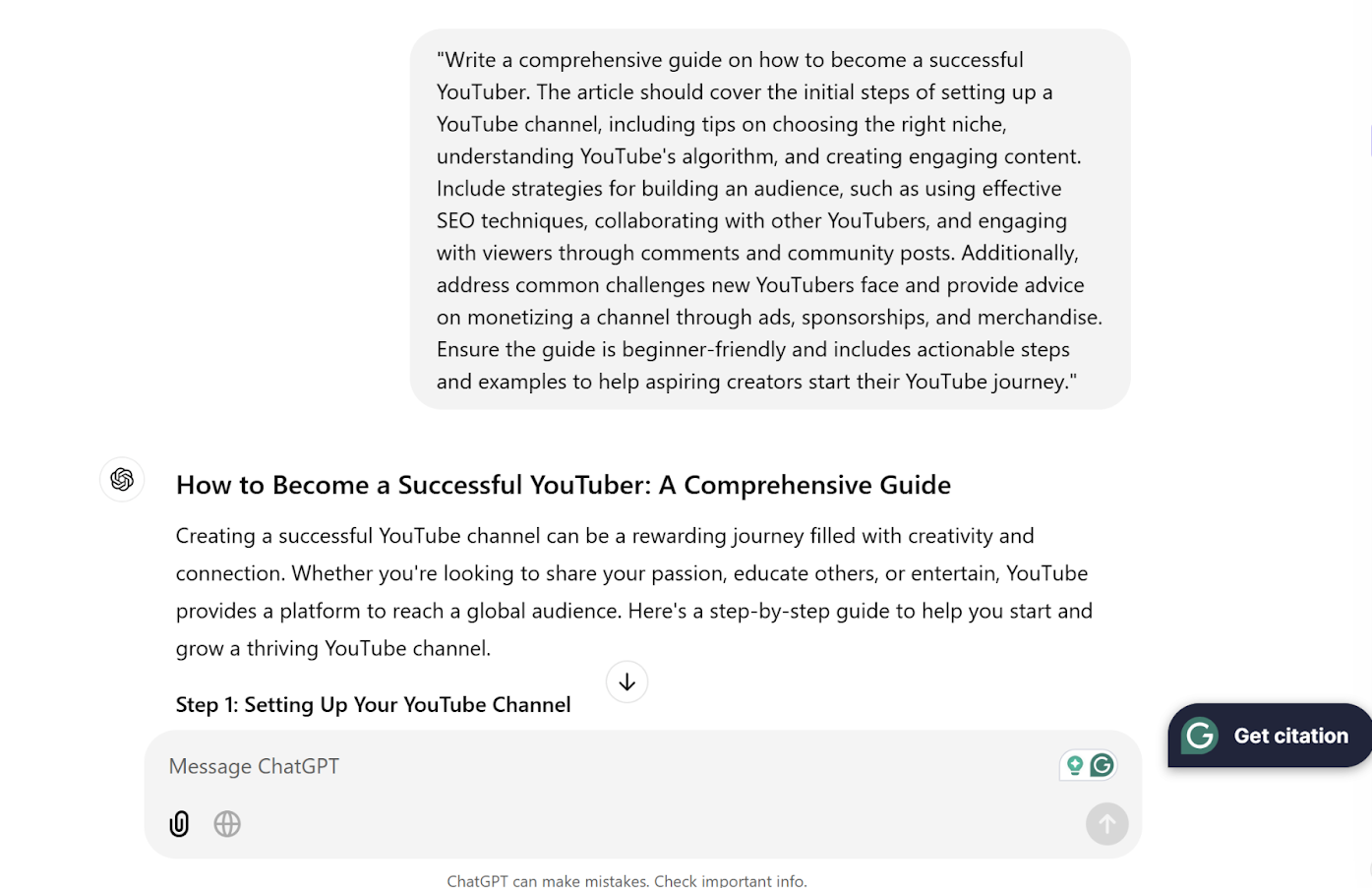
For those navigating this landscape, adaptability is key. Writers must become fluent in the language of both detection and humanization, understanding how to leverage tools without becoming ensnared by them. One approach is to embrace hybrid creation—using AI for ideation and drafting, then infusing the final product with human intuition, lived experience, and imperfection. Another is to adopt a “glitch aesthetic,” intentionally introducing quirks that disrupt algorithmic patterns while retaining readability. For businesses, transparency may be the ultimate differentiator: openly disclosing the use of AI tools can build trust, while secretive humanization risks reputational damage. Above all, creators must prioritize originality, ensuring that their work reflects a unique voice rather than a polished imitation of humanity.
The Psychological Toll: How the Arms Race Affects Creators and Consumers
The relentless cycle of detection and evasion takes a psychological toll. Writers report burnout from constantly second-guessing their work, while readers grow increasingly skeptical of everything they encounter. The pressure to “sound human” can stifle creativity, reducing prose to a formulaic exercise in mimicry. Meanwhile, the erosion of trust in digital content fuels a growing sense of alienation—if no text can be verified as authentically human, what does that say about our shared reality? This psychological strain is perhaps the most insidious consequence of the arms race, one that demands not just technological solutions, but a cultural reckoning with our relationship to authenticity.
A Glimpse into the Future: Where Do We Go From Here?
As we stand on the precipice of 2026, the trajectory of this arms race remains uncertain. Will detection technologies eventually outpace humanization, rendering AI-generated content obsolete? Or will humanizers triumph, creating a world where synthetic and organic content coexist in a delicate, ever-shifting balance? One possibility is the rise of “authenticity certifications,” third-party endorsements that vouch for a piece’s human origin. Another is the normalization of hybrid content, where AI and human collaboration becomes the gold standard. Whatever the outcome, one thing is clear: the battle for digital authenticity is far from over. It is a war of wits, ethics, and creativity—a war that will define the future of communication itself.
The stakes could not be higher. In a world where content is currency, the ability to discern truth from illusion is the ultimate power. Whether you are a writer, a reader, or simply a participant in the digital ecosystem, your role in this arms race is not passive. It is active. It is urgent. And it begins now.
Leave a comment