


In the bustling corridors of modern education, where the hum of young minds converges with the clatter of chalk against blackboards, a silent revolution is unfolding. Teachers, once mere dispensers of knowledge, now don the mantle of architects of emotional resilience. The classroom, that sacred crucible of learning, is being reimagined—not just as a space for academic rigor, but as a sanctuary for young souls navigating the turbulent waters of trauma. This transformation is not merely pedagogical; it is a profound redefinition of what it means to educate.
Enter the Trauma-Informed Classroom Certificate, a beacon for educators who recognize that the wounds of adversity often leave indelible marks on a child’s ability to thrive. This certification is more than a credential; it is a manifesto for empathy, a roadmap for creating environments where every student feels seen, heard, and safe. But why has this approach captivated the hearts and minds of educators worldwide? The answer lies not just in the statistics of trauma’s prevalence, but in the quiet, unspoken understanding that healing and learning are inseparable.
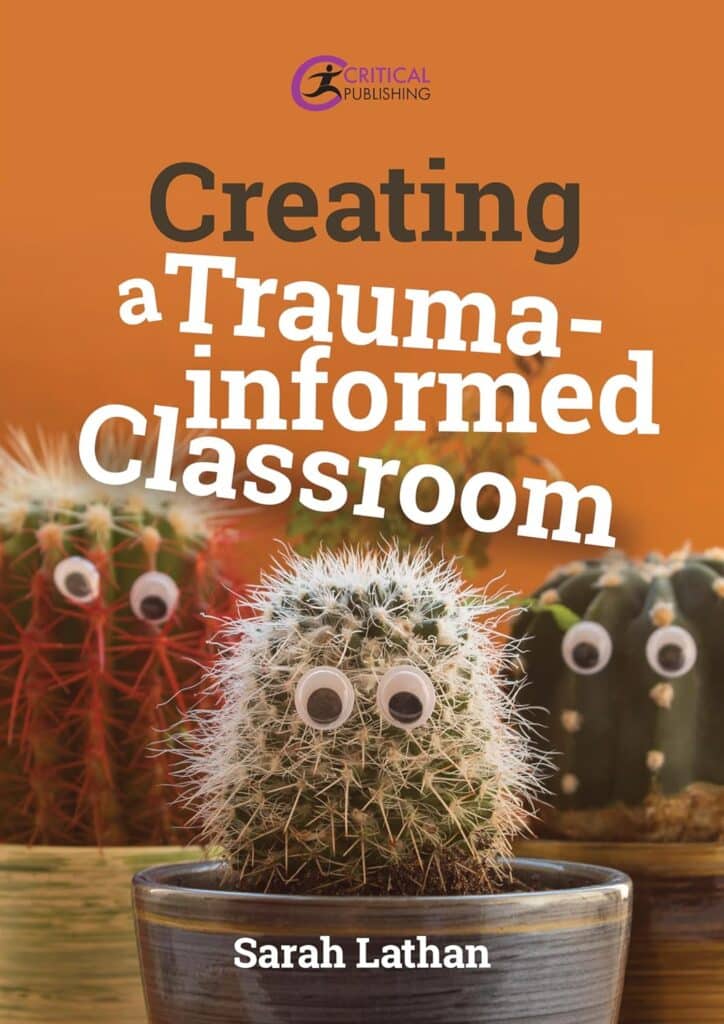
The Alchemy of Environment: Crafting a Sanctuary for Healing
Imagine stepping into a classroom where the air itself feels different—less charged with tension, more infused with possibility. This is the essence of a trauma-informed space. The physical environment is meticulously curated to minimize triggers and maximize comfort. Gone are the rigid rows of desks; in their place, flexible seating options allow students to choose where and how they engage. Soft lighting replaces harsh fluorescents, and calming colors adorn the walls, whispering tranquility to restless minds.
But the magic of this design goes deeper. Sensory considerations take center stage. Textured rugs underfoot, fidget tools at the ready, and quiet corners for decompression are not afterthoughts—they are deliberate interventions. These elements serve as silent sentinels, guarding against the sensory overload that often accompanies trauma. The classroom becomes a sensory cocoon, a place where the nervous system can recalibrate, where the body learns to feel safe again.
Yet, the true artistry lies in the details. The placement of materials, the flow of movement, even the scent of the room—every element is chosen with intention. A trauma-informed classroom is not a sterile laboratory of learning; it is a living, breathing ecosystem where every object and arrangement tells a story of safety and belonging.
The Pedagogy of Presence: Teaching with Compassion as the Core
Certification in trauma-informed practices is not just about rearranging furniture or stocking sensory tools. It is about cultivating a pedagogy of presence—an approach where the teacher’s awareness of a student’s emotional state is as critical as their grasp of algebra or literature. This requires a shift from the traditional model of instruction, where the teacher is the sole authority, to one where the student’s emotional well-being is woven into the fabric of every lesson.
Consider the power of a simple greeting. In a trauma-informed classroom, a teacher doesn’t just say, “Good morning.” They pause, make eye contact, and acknowledge the student’s presence in a way that feels authentic. This small act can be a lifeline for a child who has learned to expect invisibility or rejection. Similarly, the language used in the classroom is carefully chosen. Phrases like “I notice you’re having a hard time” replace punitive language, fostering a culture of curiosity over condemnation.
Assessment, too, takes on a new dimension. Traditional tests, with their high-stakes pressure, can be reimagined as opportunities for growth rather than judgments of worth. Formative assessments that emphasize progress over perfection allow students to see themselves as capable, even in the face of struggle. The teacher’s role evolves from a grader of performance to a guide through the labyrinth of learning, where mistakes are not failures but signposts pointing toward understanding.

The Neuroscience of Safety: Why Trauma-Informed Classrooms Work
At the heart of trauma-informed education lies an understanding of the brain’s response to threat. When a child experiences trauma, their nervous system becomes hypervigilant, primed to detect danger in even the most benign situations. This is not a choice; it is a survival mechanism etched into their biology. A trauma-informed classroom addresses this by creating an environment where the brain can shift from a state of defensive reactivity to one of engaged curiosity.
Neuroscience reveals that safety is the foundation upon which learning is built. When a student feels safe, their prefrontal cortex—the seat of executive function—can operate at full capacity. They are better able to focus, problem-solve, and retain information. Conversely, when safety is compromised, the amygdala hijacks the brain, prioritizing survival over learning. A trauma-informed classroom, therefore, is not just a pedagogical choice; it is a neurological necessity.
This understanding extends to the teacher’s role as a co-regulator. Just as a caregiver soothes a distressed infant, a trauma-informed teacher helps students regulate their emotions through modeling, empathy, and consistent, predictable responses. The classroom becomes a safe harbor, where the storms of emotion can be weathered without fear of judgment or punishment.
Building Resilience: The Long-Term Impact of Trauma-Informed Practices
The benefits of trauma-informed education ripple far beyond the classroom walls. Students who learn in such environments carry with them a toolkit for resilience that serves them for a lifetime. They develop emotional literacy, the ability to recognize and articulate their feelings, which is a cornerstone of healthy relationships. They learn that struggle does not equate to failure, and that asking for help is a sign of strength, not weakness.
Moreover, trauma-informed practices foster a sense of agency in students. When they are given choices in their learning, when their voices are heard and valued, they begin to see themselves as active participants in their own lives. This empowerment is a antidote to the helplessness that often accompanies trauma. It is the difference between a student who sees themselves as a victim of circumstance and one who recognizes their own capacity to shape their future.
The ripple effect extends to the broader community as well. Teachers who embrace trauma-informed practices often report higher job satisfaction and lower burnout rates. They become advocates for systemic change, challenging policies that prioritize compliance over compassion. Parents, too, are drawn into this transformative process, learning to see their children through a lens of understanding rather than frustration. The classroom, in this way, becomes a microcosm of a more empathetic society.
The Journey Ahead: Challenges and Rewards
Of course, the path to a trauma-informed classroom is not without its challenges. Teachers may grapple with the emotional weight of their students’ stories, or struggle to balance the demands of curriculum with the need for emotional support. Systemic barriers, such as limited resources or rigid institutional policies, can also pose obstacles. Yet, for those who embark on this journey, the rewards are immeasurable.
There is a quiet joy in witnessing a student who once shut down in frustration now raise their hand to ask for help. There is a profound satisfaction in seeing a classroom transform from a place of tension to one of trust. And there is an unshakable belief that education, at its core, is not just about filling minds with facts, but about nurturing hearts capable of healing and growth.

The Trauma-Informed Classroom Certificate is more than a professional development milestone; it is an invitation to reimagine education in its fullest, most human form. It challenges us to see our students not as vessels to be filled, but as individuals navigating complex emotional landscapes. In doing so, it reminds us that the most profound learning happens not in the absence of struggle, but in the presence of understanding.
As the sun sets on another day in the classroom, casting long shadows across the desks and floors, there is a quiet hope in the air. The walls, once mere barriers, now stand as witnesses to the transformation taking place within. And in the hearts of the students and teachers alike, a new story is being written—one of resilience, connection, and the unyielding power of a safe and compassionate space.
Leave a comment