


In the grand symphony of human cognition, nutrition plays a first-chair violin—its melodies shape the brain’s capacity to learn, remember, and adapt across the lifespan. From the cradle to the golden years, the foods we consume act as both fuel and architect, sculpting neural pathways and fortifying mental resilience. Yet, the relationship between nutrition and cognitive performance is far from simplistic; it’s a dynamic, life-long dialogue where timing, quality, and context matter just as much as quantity. Whether you’re a parent nurturing a child’s growing mind, a student cramming for exams, or an aging adult seeking to preserve clarity, the foods on your plate are silently scripting your cognitive destiny. Let’s embark on a journey through the labyrinth of nutrition’s role in cognitive performance, exploring the science, the strategies, and the surprising nuances that define this intricate connection.
The Foundations: How Nutrition Shapes Early Brain Development
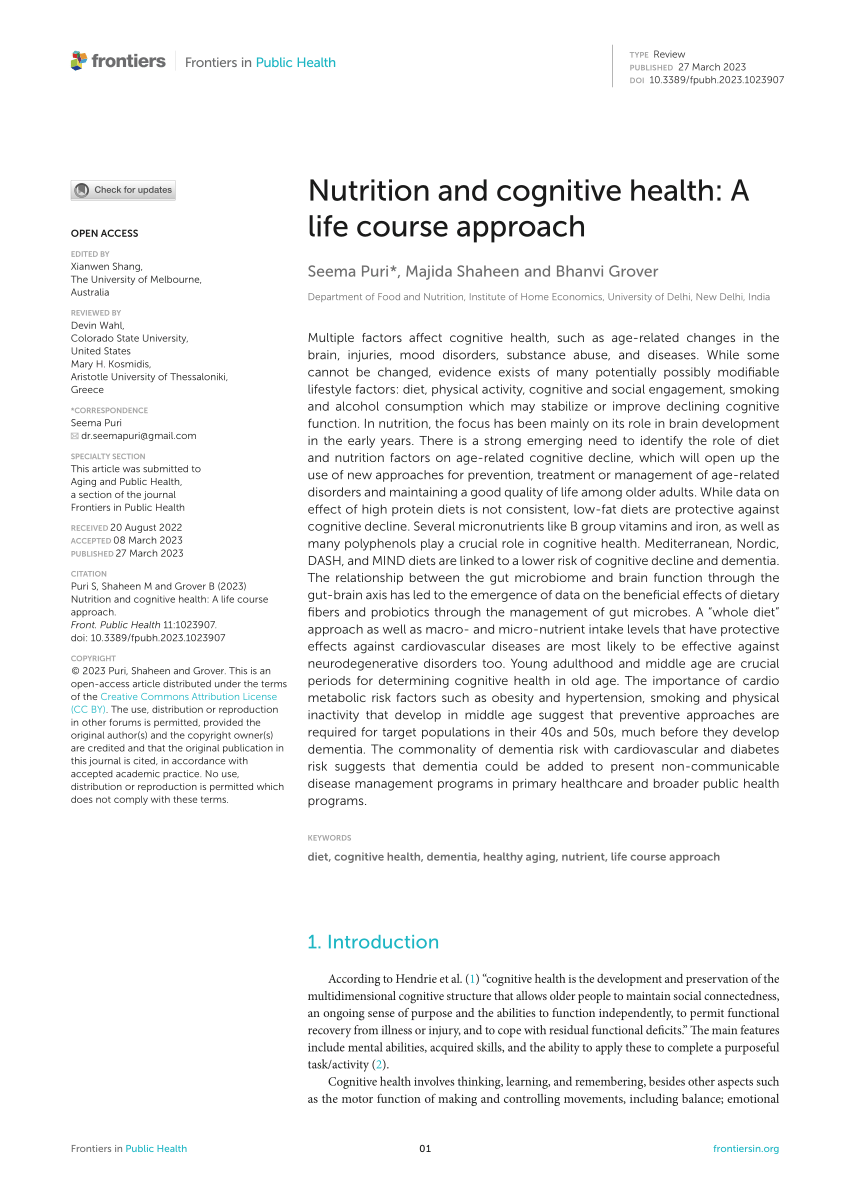
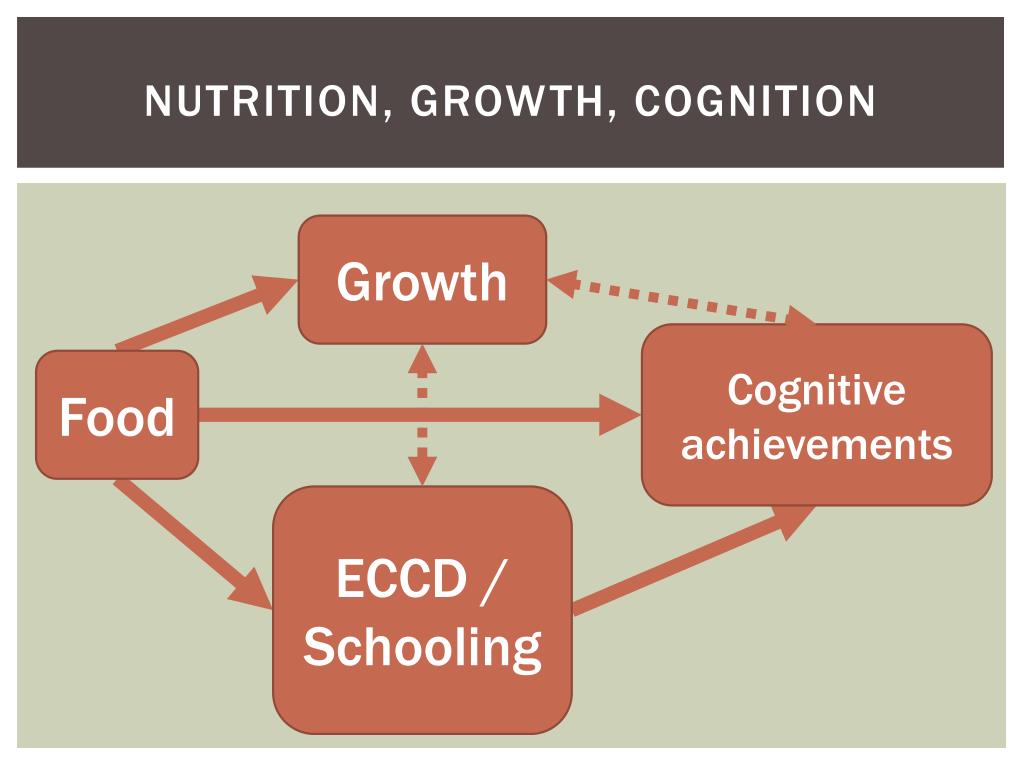
The first 1,000 days of life—from conception to a child’s second birthday—are a period of unparalleled neural plasticity, where nutrition lays the groundwork for lifelong cognitive potential. During this critical window, the brain devours nutrients like a ravenous scholar, demanding omega-3 fatty acids, iron, zinc, iodine, and choline to build synapses, myelinate axons, and establish the circuitry that will govern learning and memory. A deficiency in any of these micronutrients can cast long shadows: iron-deficiency anemia in infancy, for instance, has been linked to lower IQ scores and impaired executive function decades later. Meanwhile, omega-3s, particularly DHA, are the unsung heroes of synaptic plasticity, their presence in breast milk or fortified formulas correlating with enhanced visual acuity and problem-solving skills in toddlers.
But the story doesn’t end with infancy. As children grow, their brains remain voracious consumers of nutrients, with breakfast emerging as a non-negotiable cognitive catalyst. Studies show that children who skip breakfast or consume high-glycemic meals exhibit sluggish attention spans and reduced working memory compared to peers who start the day with balanced, protein-rich fare. The Mediterranean diet—rich in whole grains, legumes, fish, and olive oil—has been particularly lauded for its association with superior academic performance and reduced rates of ADHD-like symptoms. Here, the synergy of nutrients is key: the antioxidants in berries and leafy greens quench the oxidative stress that can stifle neural growth, while the polyphenols in cocoa and green tea may enhance memory consolidation through their anti-inflammatory effects.
Adolescence and Young Adulthood: Fueling the Cognitive Engine
The teenage years and early adulthood are marked by a paradox: the brain is at its peak of malleability, yet it’s also besieged by poor dietary habits, sleep deprivation, and stress—all of which conspire to erode cognitive performance. During this phase, the prefrontal cortex, the seat of decision-making and impulse control, is still under construction, making it particularly vulnerable to the ravages of a junk-food diet. High-sugar, high-fat diets have been shown to impair hippocampal function, the brain region critical for memory formation, while simultaneously triggering neuroinflammation that can dampen mood and motivation.
Yet, this period also offers a golden opportunity for cognitive optimization. The ketogenic diet, for instance, has gained traction among students and young professionals for its potential to enhance focus and mental clarity by shifting the brain’s primary fuel source from glucose to ketones. Similarly, the MIND diet—a hybrid of Mediterranean and DASH diets—has been linked to a 53% reduction in Alzheimer’s risk when followed rigorously, thanks to its emphasis on leafy greens, berries, nuts, and whole grains. For those navigating the demands of higher education or early careers, the timing of meals becomes a strategic tool: consuming complex carbohydrates and lean proteins before study sessions can stabilize blood sugar and prolong attention spans, while omega-3-rich snacks like walnuts or sardines may sharpen recall during crunch time.
Midlife: Preserving Cognitive Vitality Amidst the Chaos
As the responsibilities of midlife pile up—careers, families, financial pressures—the brain’s demands for optimal nutrition often take a backseat to convenience. Yet, this is precisely the stage where dietary choices can either accelerate or decelerate cognitive decline. Chronic conditions like hypertension, diabetes, and obesity, all of which are exacerbated by poor diets, are major risk factors for vascular dementia and Alzheimer’s disease. The good news? The brain is remarkably resilient, and targeted nutritional interventions can restore balance. For instance, the B vitamins—particularly B6, B9 (folate), and B12—play a pivotal role in homocysteine metabolism; elevated homocysteine levels are a red flag for cognitive impairment, and their reduction through diet or supplementation has been shown to improve memory and processing speed.
Polyphenols, the bioactive compounds found in dark chocolate, coffee, and berries, are another midlife ally. These antioxidants don’t just scavenge free radicals; they also stimulate the production of brain-derived neurotrophic factor (BDNF), a protein that acts as a fertilizer for neurons, enhancing synaptic plasticity and resilience. Meanwhile, the gut-brain axis—a bidirectional communication network between the gastrointestinal tract and the central nervous system—has emerged as a frontier in cognitive health. Probiotic-rich foods like kimchi, kefir, and sauerkraut may improve mood and cognitive function by modulating the microbiome, reducing inflammation, and even synthesizing neurotransmitters like serotonin and GABA.
For those seeking a cognitive edge in midlife, intermittent fasting has gained popularity for its potential to enhance neuroplasticity and autophagy, the brain’s cellular cleanup process. By cycling between periods of eating and fasting, individuals may stimulate the production of ketones, which not only serve as an alternative energy source but also activate pathways linked to longevity and cognitive protection. Pairing this with a diet rich in cruciferous vegetables, fatty fish, and turmeric can create a formidable defense against age-related cognitive decline.
Later Life: Nourishing the Aging Mind
The golden years bring with them a unique set of cognitive challenges, from the benign forgetfulness of normal aging to the more insidious progression of neurodegenerative diseases. Yet, even in the face of time’s relentless march, nutrition remains a powerful ally. The Mediterranean-DASH Intervention for Neurodegenerative Delay (MIND) diet, for example, has been specifically designed to combat Alzheimer’s disease, with studies showing that adhering to its principles can slash dementia risk by up to 53%. Key components include leafy greens, berries, nuts, olive oil, and fish, all of which work synergistically to reduce amyloid plaque formation and tau protein tangles—the hallmarks of Alzheimer’s pathology.
Hydration, often overlooked, is another critical factor in maintaining cognitive function in older adults. Even mild dehydration can impair attention, working memory, and mood, making water and electrolyte-rich foods like cucumbers and watermelon essential tools for mental clarity. Meanwhile, the role of protein in preserving muscle mass and cognitive function cannot be overstated; sarcopenia, the age-related loss of muscle, is closely linked to cognitive decline, suggesting that a diet rich in high-quality protein sources like lean meats, legumes, and dairy may offer dual benefits for both body and mind.
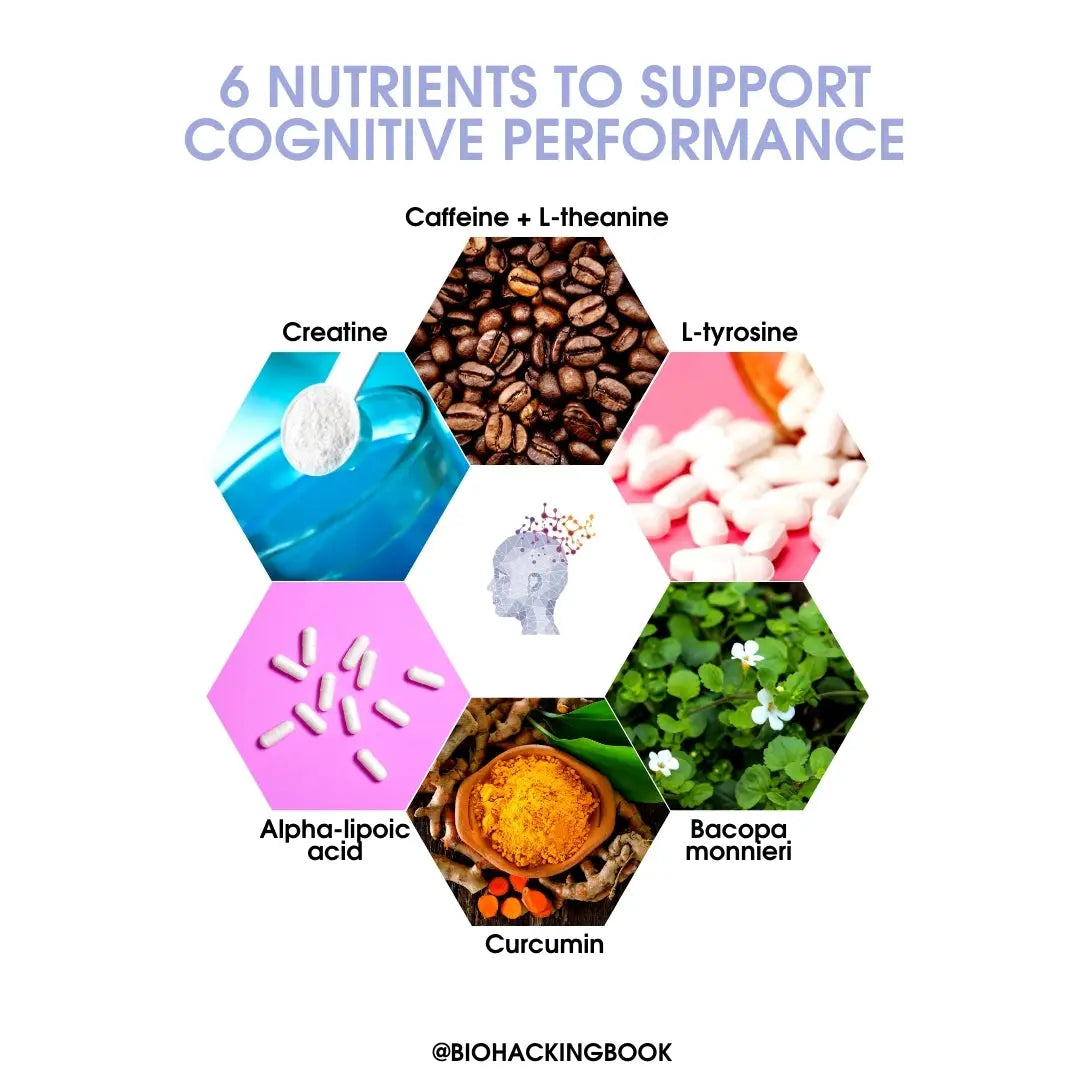
For those already experiencing cognitive decline, targeted nutritional therapies can provide a lifeline. The ketogenic diet, for instance, has shown promise in improving symptoms of mild cognitive impairment by providing the brain with a steady supply of ketones, which are more efficiently metabolized than glucose in the aging brain. Similarly, the amino acid L-theanine, found in green tea, has been shown to enhance alpha brain waves, promoting relaxation and mental clarity without sedation. Meanwhile, the Mediterranean diet’s emphasis on extra virgin olive oil—a rich source of oleocanthal—may help clear amyloid plaques from the brain, offering a delicious and practical strategy for cognitive preservation.
Practical Strategies for Every Stage of Life
Armed with the science, the next step is translation: how can individuals of all ages harness nutrition to optimize cognitive performance? The answer lies in a combination of personalized strategies and universal principles. Start with the plate: prioritize whole, minimally processed foods, and aim for a rainbow of colors to ensure a broad spectrum of phytonutrients. Incorporate omega-3-rich foods like salmon, flaxseeds, and walnuts daily, and don’t shy away from healthy fats—avocados, nuts, and olive oil are brain fuel in disguise. Hydration is non-negotiable; set reminders to sip water throughout the day, and consider herbal teas or infused water for variety.
For those with dietary restrictions or specific health goals, supplementation can fill the gaps. Omega-3 supplements, particularly those high in DHA, are a boon for those who don’t consume fatty fish regularly, while magnesium glycinate can support both sleep and cognitive function. Probiotic supplements may benefit those with gut health issues, and vitamin D—often deficient in older adults—is crucial for both bone and brain health. However, supplements should complement, not replace, a nutrient-dense diet, and consultation with a healthcare provider is essential to avoid interactions or imbalances.
Finally, pair nutrition with lifestyle habits that amplify its effects. Regular physical activity, particularly aerobic exercise, boosts blood flow to the brain and stimulates the production of BDNF. Quality sleep is the brain’s nightly reset button, and poor sleep is a silent saboteur of cognitive performance. Stress management, too, is a nutritional ally; chronic stress depletes key nutrients like magnesium and B vitamins, while mindfulness practices can reduce inflammation and enhance mental clarity. By integrating these strategies, individuals can create a holistic approach to cognitive health that transcends the plate and permeates every aspect of life.
As the sun sets on our exploration of nutrition’s role in cognitive performance, one truth emerges with crystalline clarity: the brain is not a static organ, but a dynamic, ever-evolving masterpiece shaped by the foods we choose to nourish it. From the cradle to the grave, the nutrients we consume are the silent architects of our mental landscape, building resilience, enhancing memory, and staving off decline. Yet, this journey is not a solitary one; it’s a lifelong collaboration between body, mind, and the foods that bind them together. By embracing a diet rich in diversity, balance, and intention, we don’t just feed our bodies—we fuel our minds, ensuring that every chapter of life is written with clarity, vitality, and the unmistakable spark of cognitive brilliance.
Leave a comment