


Picture this: a single, elegant dashboard that transforms the way community colleges perceive student retention. No more drowning in spreadsheets. No more guessing which interventions might work. Instead, a dynamic, real-time snapshot of student journeys—where every click, every pause, every struggle is illuminated in vivid clarity. This isn’t just a tool. It’s a paradigm shift. It’s the difference between reacting to crises and preventing them. It’s the moment when data stops being a burden and becomes a beacon. And it all begins with building a retention dashboard designed not just for administrators, but for the students whose futures depend on it.
Retention isn’t just a metric. It’s a story. A story of persistence, of challenges, of triumphs. And like any great narrative, it deserves to be told with precision, empathy, and insight. A well-crafted retention dashboard doesn’t just display numbers—it reveals patterns, uncovers hidden narratives, and empowers educators to act before it’s too late. Whether you’re a dean, a faculty member, or a student success coach, this dashboard becomes your compass in a sea of uncertainty. It doesn’t just answer questions—it asks the right ones. And in doing so, it redefines what’s possible for community colleges across the nation.
Why a Retention Dashboard Isn’t Just Another Tool—It’s a Revolution in Student Support
Community colleges serve a diverse student body—working adults, first-generation learners, single parents, veterans—each with unique challenges and timelines. Traditional retention strategies often rely on broad assumptions or delayed feedback loops. But what if you could see, in real time, which students are teetering on the edge of withdrawal? What if you could identify the early warning signs—missed assignments, declining engagement, financial stress—before they snowball into full-blown attrition?
A retention dashboard changes the game by turning raw data into actionable intelligence. It doesn’t just tell you how many students left last semester. It shows you why they left. It maps their academic journey, highlights trends across demographics, and flags at-risk cohorts with surgical precision. This isn’t surveillance. It’s stewardship. It’s about recognizing that every student who walks through your doors has a story—and your institution has the power to shape its ending.
Imagine a dashboard that doesn’t just display retention rates, but visualizes them through the lens of equity. Where students of color, Pell Grant recipients, or first-generation students aren’t just numbers in a report, but focal points of targeted support. This is where data becomes justice. This is where a dashboard stops being a bureaucratic artifact and becomes a moral compass for institutional action.
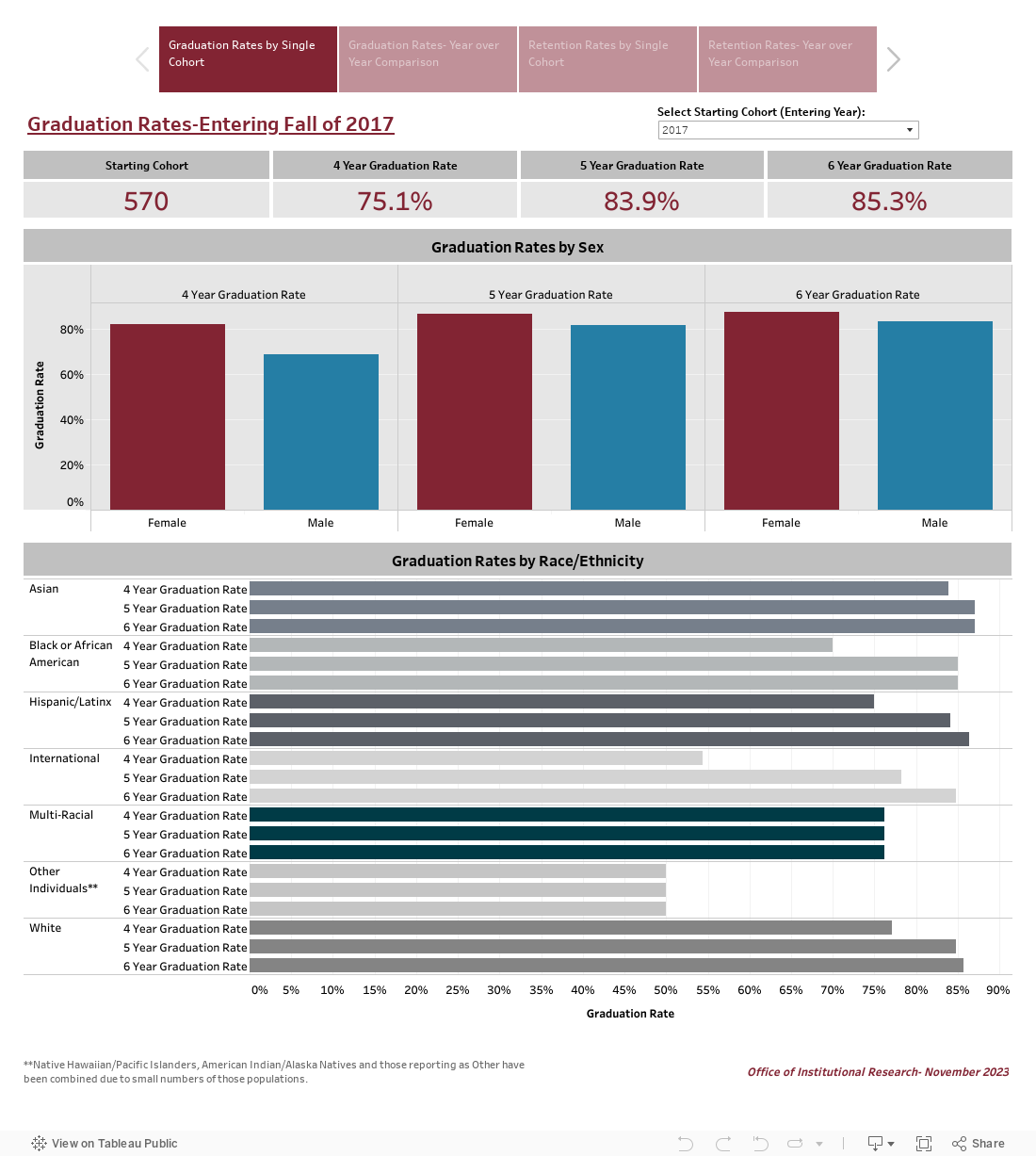
Designing for Clarity: The Art of Turning Data into Insight
Not all dashboards are created equal. A cluttered, overcomplicated interface is worse than no dashboard at all. The best retention dashboards are built on three principles: clarity, context, and compassion. Every visual element should serve a purpose. Every metric should tell a story. And every interaction should feel intuitive, not intimidating.
Start with the fundamentals: enrollment trends, persistence rates, and graduation timelines. But don’t stop there. Layer in nuance. Show how retention varies by program, by semester, by financial aid status. Use color gradients to highlight risk zones—red for high alert, amber for caution, green for stability. Embed tooltips that explain terms like “term-to-term retention” or “cohort default rate” for non-data experts. This isn’t dumbing down the data—it’s democratizing it.
Interactivity is key. A static PDF report can’t compete with a dashboard that lets users filter by department, student type, or semester. Want to see how first-year students in nursing perform compared to those in liberal arts? A click should make that comparison leap off the screen. Want to drill down into the specific courses where students most often withdraw? The dashboard should let you do that without requiring a PhD in data science.
And don’t forget the human element. Behind every data point is a student. Consider adding a “student voice” layer—quotes, survey responses, or case studies—that ground the numbers in real experiences. This transforms the dashboard from a cold report into a living narrative of institutional impact.
The Hidden Goldmine: Predictive Analytics and Early Intervention
What if you could predict which students are likely to leave before they even consider it? That’s the promise of predictive analytics—and it’s not science fiction. Modern retention dashboards integrate machine learning models that analyze patterns in attendance, grades, engagement, and even library usage to flag students at risk of non-persistence. These aren’t crystal-ball predictions. They’re statistically sound probabilities based on historical trends.
But prediction alone isn’t enough. The real magic happens when institutions act on those insights. A dashboard that identifies a student in crisis is only as powerful as the support system behind it. That’s why the best dashboards are embedded within a broader student success ecosystem. They trigger automated alerts to advisors. They integrate with CRM tools like Salesforce Education Cloud. They connect to tutoring platforms, financial aid offices, and mental health services. When a student’s risk score spikes, the right people are notified—and the right interventions are deployed.
Think of it like a smoke detector. It doesn’t prevent fires, but it gives you the earliest possible warning. A predictive retention dashboard does the same for student success. It doesn’t guarantee retention, but it gives educators the best chance to intervene before it’s too late.

From Insight to Action: How to Use Your Dashboard to Drive Real Change
Data without action is just noise. The most sophisticated retention dashboard in the world is useless if it sits untouched in a shared drive. The real work begins when educators, advisors, and leaders use the insights to redesign support structures, reallocate resources, and reimagine student services.
Start small. Pick one high-risk cohort—say, part-time students over 25—and design a targeted intervention. Maybe it’s a flexible scheduling option. Maybe it’s a peer mentoring program. Track the impact using the dashboard. Did retention improve? Why or why not? Adjust and iterate. This isn’t about launching a one-size-fits-all program. It’s about continuous improvement, informed by real-time feedback.
Use the dashboard to challenge assumptions. Are you investing in tutoring for STEM students? Check the data. If the dashboard shows that students in humanities are actually struggling more, it’s time to pivot. Are you assuming that online students are less engaged? The dashboard might reveal that their engagement is just as high—but their withdrawal rates are higher due to unmet financial needs. Data doesn’t just confirm your hunches—it forces you to confront them.
And don’t forget to celebrate wins. A dashboard that highlights successful retention strategies—like a new advising model or a first-year seminar program—can be a powerful tool for advocacy. Share those stories with faculty, staff, and even students. Transparency builds trust. Trust builds engagement. Engagement builds retention.
Overcoming the Barriers: Why Some Dashboards Fail—and How to Make Yours Succeed
Even the best-designed dashboard can fail if it’s not adopted. Resistance often stems from skepticism, lack of training, or fear of surveillance. Address these head-on. Involve faculty and advisors in the design process. Make sure they understand how the dashboard benefits their work—not just the institution’s metrics. Offer hands-on training sessions. Create quick-reference guides. Build a culture where data isn’t a top-down mandate, but a collaborative tool for improvement.
Another common pitfall? Over-reliance on technology at the expense of human connection. A dashboard can flag a student in crisis, but it can’t replace a meaningful conversation. Ensure that advisors and faculty have the time and resources to follow up. The dashboard should enhance, not replace, the relational work that defines student success.
Data privacy is non-negotiable. Any retention dashboard must comply with FERPA, GDPR, and institutional policies. Anonymize sensitive data where possible. Limit access to authorized personnel. And be transparent with students about how their data is used. Trust is the foundation of any successful retention strategy—and it starts with respect for privacy.
The future of community college retention isn’t in more spreadsheets. It’s not in another round of surveys or focus groups. It’s in the quiet revolution of a well-built dashboard—one that turns data into empathy, metrics into meaning, and numbers into narratives of hope. It’s in the moment when an advisor sees a student’s risk score and reaches out not with judgment, but with support. It’s in the realization that every student who stays isn’t just a statistic—they’re a story of resilience, of second chances, of transformed lives.
This is more than a dashboard. It’s a promise. A promise to see every student. To hear every struggle. To act before it’s too late. And in doing so, to redefine what community colleges can achieve—not just in retention rates, but in the profound, lasting impact they have on the communities they serve.
Leave a comment