


The ocean is not merely a vast expanse of water—it is a pulsating, rhythmic engine, a force of nature that has shaped our planet for millennia. Yet, for all its grandeur, humanity has only begun to harness its true potential. By 2026, wave and tidal energy are poised to undergo a transformation so profound that it will redefine our relationship with the sea. No longer just a backdrop to our coastal lives, the ocean is becoming a cornerstone of our energy future. Imagine vast underwater turbines spinning in harmony with the tides, or serpentine wave energy converters undulating like sea serpents, capturing the ocean’s relentless motion. This is not science fiction. It is the dawn of a new era in renewable energy—one where the ocean’s power is not just acknowledged but mastered.
What makes wave and tidal energy so compelling is their predictability. Unlike solar or wind, which fluctuate with weather and time of day, the ocean’s rhythms are governed by celestial mechanics. The moon’s gravitational pull dictates the tides with clockwork precision. Waves, too, follow patterns shaped by wind and geography. This reliability is a game-changer. It means energy can be generated consistently, stored efficiently, and integrated seamlessly into power grids. For regions with long coastlines—think the rugged shores of Scotland, the storm-lashed coasts of Oregon, or the tidal straits of Indonesia—wave and tidal energy could become the bedrock of their energy independence. The promise is not just cleaner power, but a fundamental shift in how we view energy security.
The Tides Are Turning: How Tidal Energy is Evolving
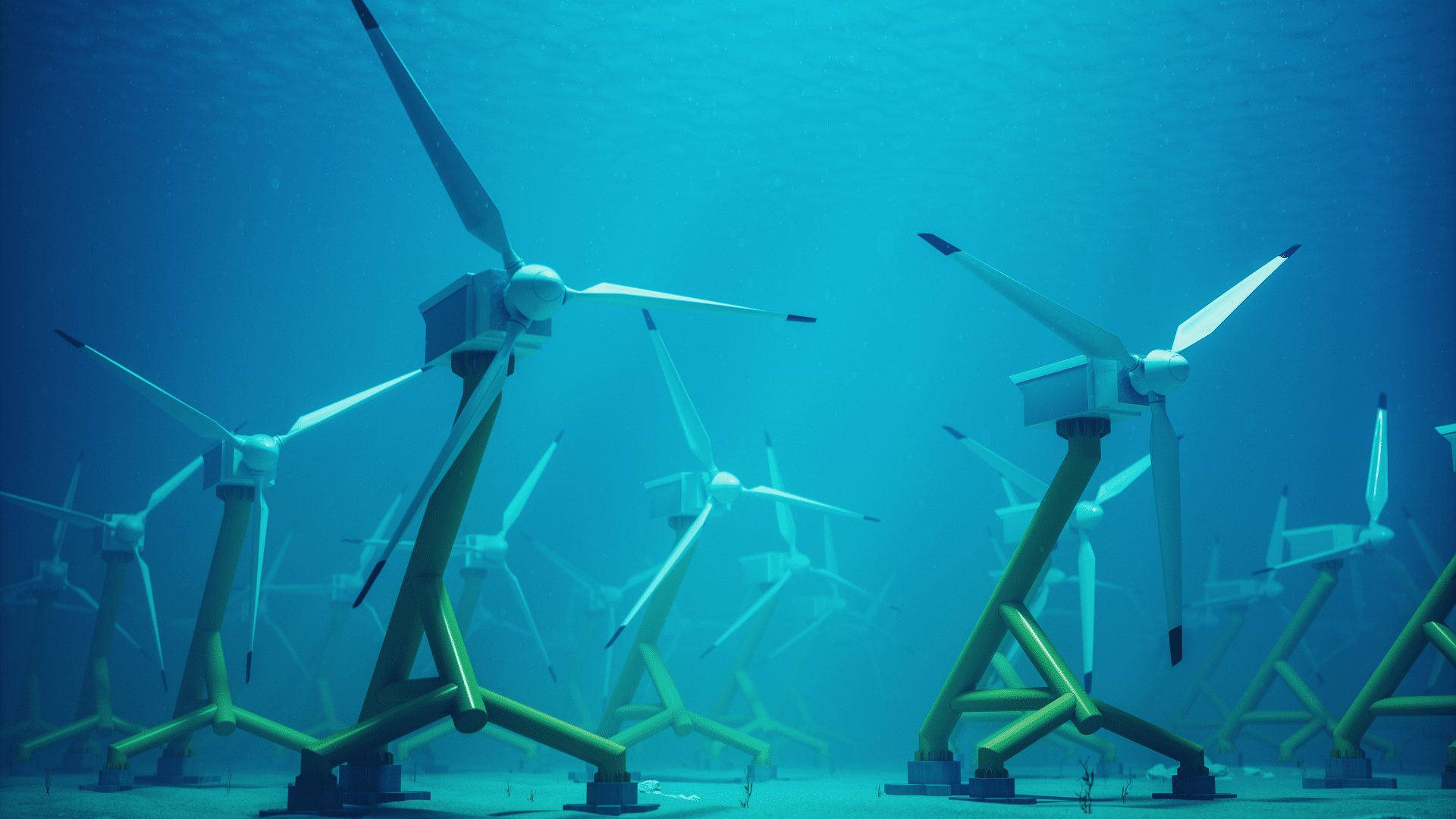
Tidal energy is the elder statesman of ocean power, with roots tracing back to medieval tide mills. Yet, modern engineering has catapulted it into a league of its own. The latest generation of tidal stream turbines—sleek, submersible, and often resembling aquatic drones—are designed to thrive in the ocean’s harshest conditions. Unlike their predecessors, which required massive dams and estuary-wide installations, these turbines are modular, scalable, and far less intrusive. They can be deployed in arrays, much like wind farms, but underwater, where the currents are strongest and most consistent.
One of the most exciting innovations is the development of floating tidal platforms. These buoyant structures, anchored to the seabed, house multiple turbines that adjust their orientation to face the strongest currents. This adaptability is crucial in regions where tidal flows shift direction, such as the Pentland Firth in Scotland, a hotspot for tidal energy potential. Companies like Orbital Marine Power have pioneered designs where turbines are mounted on floating arms, allowing them to capture energy from both incoming and outgoing tides. The result? A system that maximizes efficiency while minimizing environmental disruption.
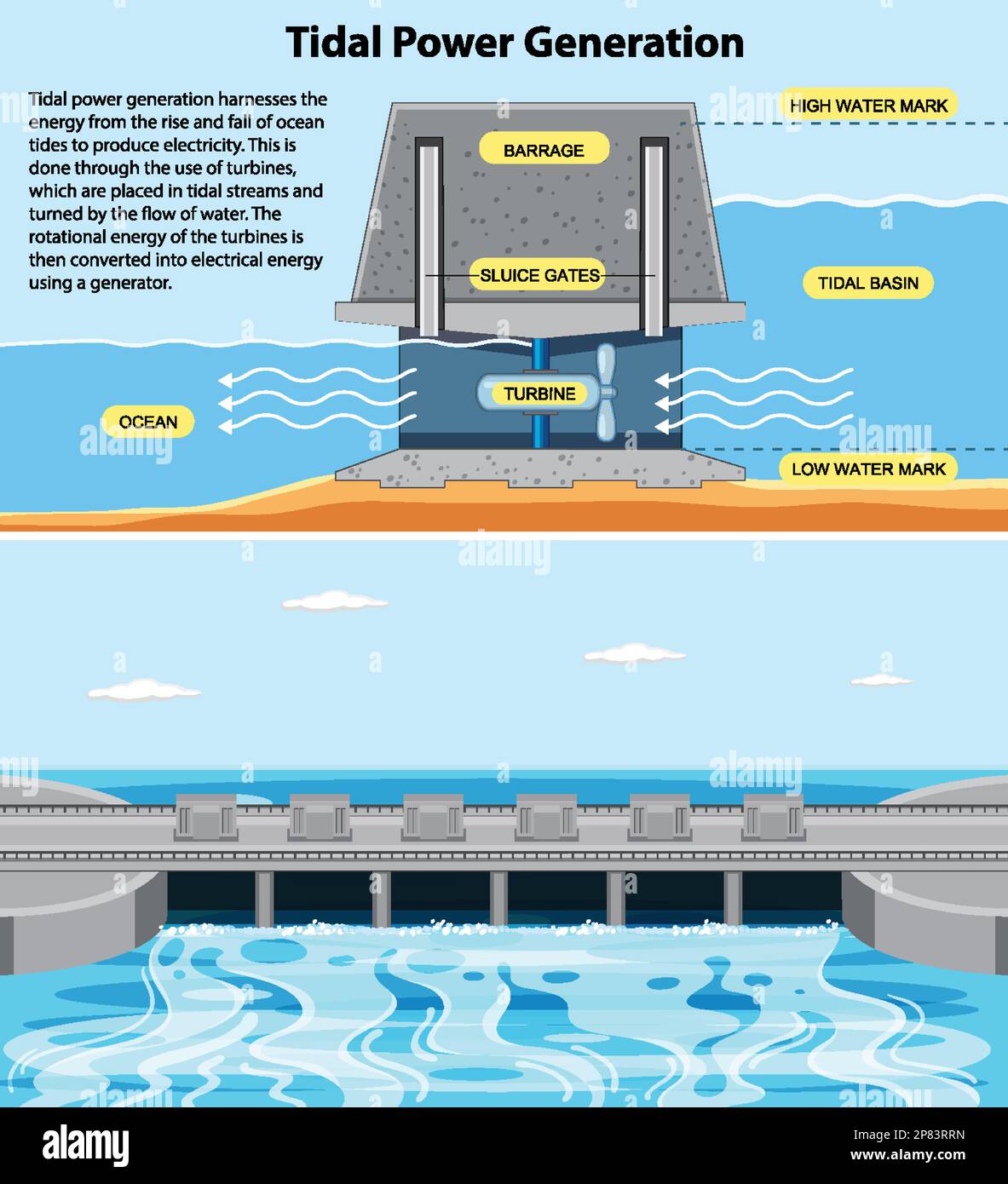
But the real breakthrough lies in tidal range technologies, which harness the difference in water levels between high and low tides. Traditional tidal barrages, like the one at La Rance in France, have long been criticized for their ecological impact. However, newer concepts—such as dynamic tidal power—are turning the tide. These systems use long, dam-like structures perpendicular to the coast to create a head of water that drives turbines. The beauty of dynamic tidal power is its ability to generate energy continuously, even as the tide changes direction. With pilot projects underway in the Netherlands and the UK, this technology could soon prove that tidal energy can be both powerful and ecologically considerate.
Riding the Wave: The Next Frontier in Wave Energy
If tidal energy is the steady heartbeat of the ocean, wave energy is its untamed pulse—a chaotic, unpredictable force that demands ingenuity to harness. Waves are the ocean’s way of dissipating energy, and capturing that energy is no small feat. Yet, the potential is staggering. A single wave can contain enough energy to power a small town, and with the right technology, we could tap into this resource on a global scale. The challenge lies in designing systems that can survive the ocean’s fury while converting its motion into usable electricity.
The most promising wave energy converters (WECs) fall into three broad categories: point absorbers, attenuators, and oscillating water columns. Point absorbers are buoys that bob up and down with the waves, driving internal generators. Attenuators, like the famed Pelamis device, are long, segmented structures that flex with the wave’s motion, converting kinetic energy into electricity. Oscillating water columns, meanwhile, use the rise and fall of waves to compress air within a chamber, which then drives a turbine. Each design has its strengths, but the race is on to find the most durable, efficient, and cost-effective solution.
One of the most innovative approaches comes from wave carpet systems, which mimic the way the ocean floor absorbs wave energy. These flexible, rubber-like membranes are anchored to the seabed and rise and fall with the waves, generating electricity through hydraulic or piezoelectric mechanisms. Another breakthrough is the oscillating wave surge converter, which captures energy from the horizontal motion of waves, particularly effective in shallow waters. Companies like CalWave and CorPower Ocean are leading the charge, with their devices already deployed in real-world conditions, proving that wave energy is not just a theoretical marvel but a practical reality.
The key to unlocking wave energy’s full potential lies in hybrid systems—integrating wave energy with other renewable sources. Imagine a coastal facility where solar panels, wind turbines, and wave converters work in tandem, sharing infrastructure and energy storage. Such systems could provide a steady, reliable power supply, even during periods of low wave activity. Moreover, wave energy could play a crucial role in desalination plants, providing the power needed to turn seawater into freshwater—a vital resource in drought-prone regions. The synergy between these technologies could redefine coastal resilience.
The Hidden Costs: Environmental and Economic Considerations
No energy revolution comes without trade-offs, and wave and tidal energy are no exception. While these technologies promise clean, renewable power, their deployment must be approached with caution to avoid unintended consequences. The ocean is a delicate ecosystem, and the introduction of large-scale energy infrastructure could disrupt marine life, alter sediment patterns, and even affect local climates. The key is to strike a balance between innovation and conservation, ensuring that the benefits of ocean energy do not come at the expense of the very environment we seek to protect.
One of the primary concerns is the impact on marine fauna. Turbines, for instance, pose a risk to fish and marine mammals, particularly if they operate at high speeds. However, research is already underway to develop marine-friendly turbines with slower-moving blades and acoustic deterrents to keep wildlife at a safe distance. Similarly, wave energy converters must be designed to minimize entanglement risks for marine species. The goal is to create systems that coexist harmoniously with the ocean’s inhabitants, rather than imposing upon them.
Economically, the barriers to entry for wave and tidal energy remain high. The harsh marine environment demands robust, corrosion-resistant materials, and the cost of installation and maintenance can be prohibitive. Yet, as technology advances and economies of scale kick in, these costs are expected to decline. Governments and private investors are increasingly recognizing the long-term value of ocean energy, with subsidies and grants fueling research and development. The European Union, for example, has committed over €1 billion to ocean energy projects through its Horizon Europe program. Meanwhile, countries like China and the United States are investing heavily in pilot projects, signaling a global shift toward embracing the ocean’s power.
Another economic advantage of wave and tidal energy is their potential to create jobs in coastal communities. Unlike fossil fuel infrastructure, which often requires centralized facilities, ocean energy can be deployed locally, providing employment opportunities in shipbuilding, engineering, and marine operations. This decentralization could revitalize struggling coastal economies, offering a sustainable alternative to industries like fishing or tourism, which are increasingly vulnerable to climate change.
The Global Race: Who’s Leading the Charge?
The race to harness wave and tidal energy is not confined to a single nation—it is a global sprint, with countries vying for technological supremacy and energy independence. Europe has long been at the forefront, with the UK, France, and Norway leading the way in tidal energy development. The UK, in particular, is home to some of the world’s most advanced tidal stream projects, including the MeyGen array in Scotland, which is already generating power for thousands of homes. Meanwhile, Portugal’s Wave Energy Centre and Spain’s Mutriku Wave Power Plant are pushing the boundaries of wave energy innovation.
Across the Atlantic, the United States is making significant strides, particularly in wave energy. The Pacific Northwest, with its powerful waves, is a prime testing ground for new technologies. The U.S. Department of Energy has invested millions in projects like the CalWave xWave system, which recently completed a year-long trial off the coast of California. In Asia, China is rapidly expanding its ocean energy portfolio, with ambitious plans to install 50 GW of tidal and wave capacity by 2030. South Korea, too, is a major player, with the Sihwa Lake Tidal Power Station already supplying power to the grid.
Africa, often overlooked in the renewable energy conversation, is also emerging as a contender. Countries like South Africa and Morocco are exploring wave and tidal energy as a means to diversify their energy mix and reduce reliance on fossil fuels. The potential is immense, particularly in regions with strong coastal currents, such as the Agulhas Current off South Africa’s eastern coast. Meanwhile, in the Pacific Islands, where energy costs are among the highest in the world, wave energy could provide a lifeline, reducing dependence on imported diesel and diesel generators.
The Future is Fluid: What’s Next for Ocean Energy?
By 2026, wave and tidal energy will no longer be a niche curiosity—they will be a cornerstone of the global energy transition. The technologies are maturing, the economics are improving, and the urgency to decarbonize has never been greater. Yet, the journey is far from over. The next phase of development will focus on scalability, integration, and resilience. How do we deploy these systems in a way that maximizes output while minimizing environmental impact? How do we ensure that the energy they produce is affordable and accessible to all? These are the questions that will shape the future of ocean energy.
One of the most exciting possibilities is the concept of ocean energy microgrids. In remote coastal communities or island nations, where connecting to a national grid is impractical, wave and tidal energy could provide a self-sustaining power source. These microgrids could be paired with energy storage solutions, such as underwater compressed air or flow batteries, to ensure a steady supply of electricity. The result would be energy independence for some of the world’s most vulnerable populations, empowering them to thrive in the face of climate change.
Another frontier is the integration of ocean energy with other renewable sources in hybrid energy parks. Imagine a single offshore facility where tidal turbines, wave converters, floating solar panels, and even offshore wind turbines work in concert. Such a system could provide a baseload power supply, reducing the need for fossil fuel backup. The synergy between these technologies could also lower costs, as shared infrastructure and maintenance reduce the overall price tag. Countries like Denmark and the Netherlands are already exploring hybrid energy parks, and by 2026, we could see these concepts become a reality on a larger scale.
The final piece of the puzzle is public perception. For wave and tidal energy to gain widespread acceptance, people must see them not as experimental novelties, but as reliable, essential components of our energy future. This requires education, transparency, and visible success stories. As more pilot projects prove their viability, and as the first commercial-scale arrays come online, the narrative will shift from skepticism to enthusiasm. The ocean is not just a resource to be exploited—it is a partner in our quest for a sustainable future.
The waves will keep rolling. The tides will keep turning. And by 2026, humanity will finally be ready to listen.
Leave a comment