


Have you ever wondered what your customers *truly* think about your brand’s eco-friendly initiatives? Not just the polite nods in surveys, but the raw, unfiltered emotions simmering beneath the surface? What if I told you that sentiment AI could be the crystal ball you’ve been searching for—one that doesn’t just predict consumer behavior but *feels* it in real time?
In an era where sustainability isn’t just a buzzword but a survival tactic, brands are scrambling to align with green values. Yet, the challenge isn’t just adopting eco-friendly practices—it’s understanding whether those efforts resonate with consumers on a deeper, emotional level. Enter Sentiment AI, the unsung hero of modern market research. This isn’t just about crunching numbers; it’s about decoding the whispers of consumer sentiment, the sighs of approval, and the roars of disapproval—all before they hit the mainstream.

The Green Divide: Why Sentiment AI is the Eco-Market’s Secret Weapon
Let’s face it: the green market is a minefield of contradictions. Consumers claim they want sustainability, yet they’re still buying fast fashion. They preach about carbon footprints, but their delivery preferences scream convenience over conscience. How do you bridge this chasm between stated intentions and actual behavior?
Sentiment AI doesn’t just tally up likes and shares—it dissects the tone behind every comment, review, and social media post. It’s like having a team of psychologists with PhDs in consumer behavior, working 24/7 to tell you whether your latest eco-packaging redesign made hearts flutter or eyebrows raise in skepticism. For brands drowning in the noise of greenwashing accusations, this tool is a lifeline. It sifts through the static to reveal the emotional DNA of your audience’s green preferences.
Consider the case of a beverage company that swapped plastic bottles for aluminum cans. Initial surveys suggested lukewarm enthusiasm. But sentiment AI uncovered something far more telling: consumers weren’t just indifferent—they were suspicious. The word “recyclable” was met with a barrage of comments like, “Is this just another corporate trick?” The real insight? The brand’s green initiative needed a story, not just a material change. Sentiment AI doesn’t just report data; it narrates the unspoken narratives shaping consumer trust.
From Emojis to Emissions: Decoding the Language of Green Sentiment
Imagine scrolling through a sea of tweets about your brand’s new carbon-neutral shipping policy. Among the praise, you spot a lone voice: “Great, but what about the planes that *delivered* my order?” That single comment, buried in a mountain of positivity, could be the canary in the coal mine. Sentiment AI doesn’t just flag keywords like “green” or “sustainable”—it deciphers the context and emotional weight behind them.
Here’s where it gets spicy. Sentiment AI can detect sarcasm, a notoriously slippery customer emotion. A comment like, “Wow, another ‘eco-friendly’ product that costs 30% more” might seem negative at first glance, but sentiment AI’s nuanced algorithms can distinguish between genuine frustration and playful banter. This is crucial for brands that risk alienating audiences with tone-deaf campaigns. The takeaway? Sentiment AI doesn’t just measure sentiment—it interprets it, turning vague murmurs into actionable insights.
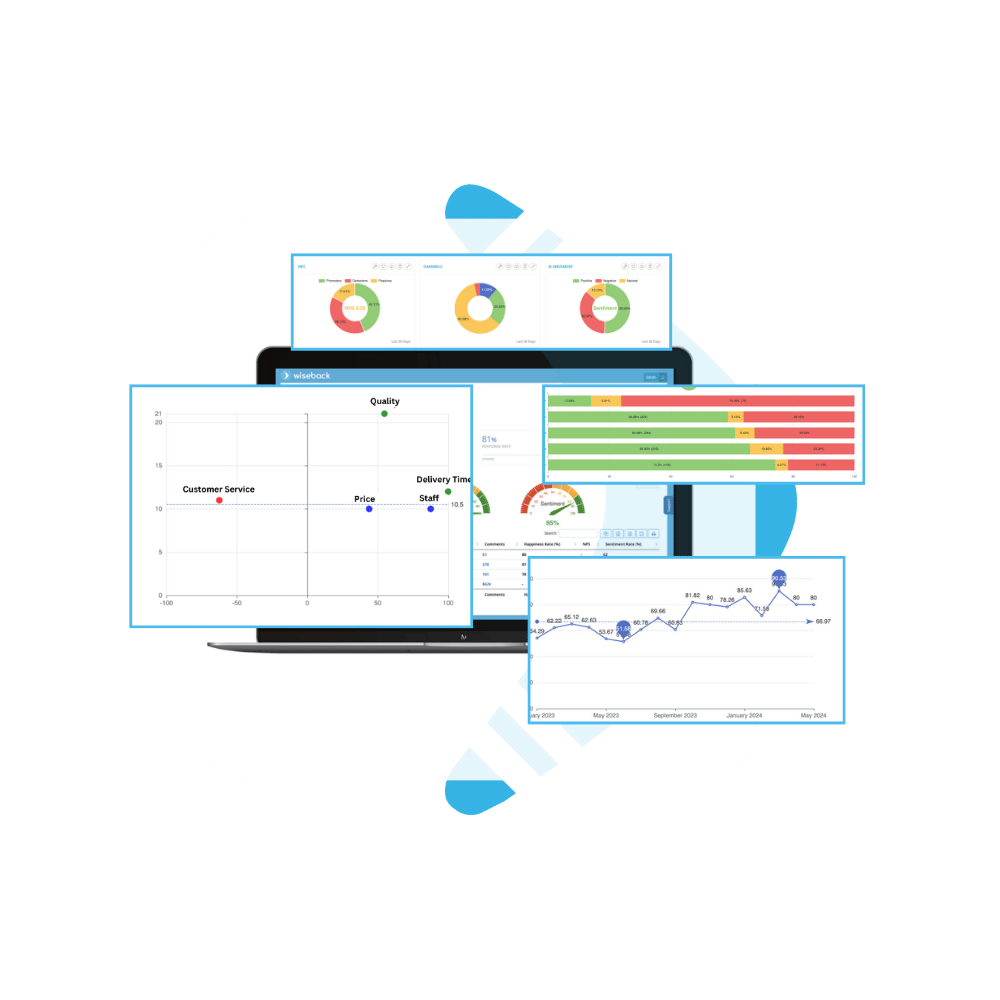
The Paradox of Green Preference: When Consumers Say One Thing and Do Another
Here’s the million-dollar question: If consumers are so vocal about their love for green brands, why do sales of non-eco products still dominate? The answer lies in the intention-action gap, a phenomenon where stated preferences and actual purchasing behavior diverge like tectonic plates.
Sentiment AI shines a light on this paradox by analyzing not just what people say, but how they feel when they say it. For example, a customer might gush about a brand’s compostable packaging in a review, but their tone could betray a hint of resignation: “Well, it’s better than nothing, I guess.” That subtle hesitation is a red flag. It suggests that while the consumer *wants* to support green initiatives, they’re not fully convinced of the brand’s commitment. Sentiment AI turns these micro-expressions of doubt into a roadmap for rebuilding trust.
Brands can use this data to refine their messaging. Instead of leading with “eco-friendly,” they might pivot to “We’re on a mission to make sustainability effortless.” The shift from attribute to mission can bridge the intention-action gap by tapping into deeper emotional drivers like purpose and belonging.
Ethical Pitfalls: The Dark Side of Sentiment AI in Green Marketing
Of course, no tool is without its shadows. Sentiment AI, while powerful, isn’t immune to the ethical quagmires of data collection. The risk of emotional manipulation looms large. Imagine a brand using sentiment AI to identify consumers who feel guilty about their carbon footprint, then targeting them with ads that prey on that guilt. It’s a slippery slope from insight to exploitation.
Then there’s the issue of bias. Sentiment AI models are only as good as the data they’re trained on. If the training data is skewed toward Western, urban consumers, the insights might not reflect the sentiments of rural communities or emerging markets. Brands must ensure their AI tools are inclusive, or risk alienating entire segments of their audience.
Transparency is key. Consumers deserve to know when and how their emotions are being analyzed. A brand that uses sentiment AI to gauge green preferences should be upfront about it, fostering trust rather than secrecy. After all, the goal isn’t to manipulate emotions—it’s to understand them.
Actionable Strategies: How to Leverage Sentiment AI for Green Success
So, how can brands turn sentiment AI from a passive observer into an active ally? Start by integrating it into every stage of your green marketing strategy. Here’s a step-by-step playbook:
1. Listen Before You Leap
Before launching a new eco-initiative, use sentiment AI to gauge the emotional temperature of your audience. Are they excited? Skeptical? Indifferent? This pre-launch intel can save you from a PR disaster.
2. Monitor in Real Time
Sentiment isn’t static. A campaign that starts with enthusiasm can spiral into backlash if not monitored. Set up real-time alerts for spikes in negative sentiment, and be ready to pivot your messaging or address concerns before they escalate.
3. Segment by Emotion
Not all green sentiment is created equal. Some consumers are driven by guilt, others by hope, and a few by sheer pragmatism. Use sentiment AI to segment your audience by emotional drivers, then tailor your campaigns to resonate with each group’s unique psychology.
4. Close the Feedback Loop
Sentiment AI shouldn’t be a one-way street. Share insights with your product and marketing teams, and use the data to iterate on your green initiatives. If consumers are praising your compostable packaging but complaining about its durability, it’s time to go back to the drawing board.
5. Measure Beyond the Metrics
Don’t just track likes and shares. Dive into the why behind the numbers. Sentiment AI can reveal whether your green campaign is sparking joy, indifference, or outright rebellion. Use these insights to refine your approach and build campaigns that resonate on a deeper level.

In a world where consumers are increasingly skeptical of greenwashing, authenticity isn’t optional—it’s essential. Sentiment AI gives brands the power to cut through the noise, understand the unspoken emotions driving consumer behavior, and craft campaigns that don’t just appeal to the mind, but to the heart.
The future of green marketing isn’t just about being eco-friendly. It’s about being emotionally intelligent. And with sentiment AI as your guide, you’re not just following trends—you’re setting them.
Leave a comment