


Have you ever wondered what happens when your HR department starts treating generative AI like a caffeine-fueled intern—brilliant, unpredictable, and occasionally spilling coffee on the company’s reputation? Welcome to the wild frontier of workplace AI ethics, where the line between innovation and chaos blurs faster than a deepfake of your CEO announcing a surprise holiday. Crafting a generative AI ethics policy isn’t just about ticking compliance boxes; it’s about building a digital guardrail system that keeps your organization from veering into the ditch of unintended consequences. Let’s dive into the essentials of designing a policy that’s as robust as it is adaptable, ensuring your workforce and your AI tools coexist in harmony—or at least without a PR nightmare.
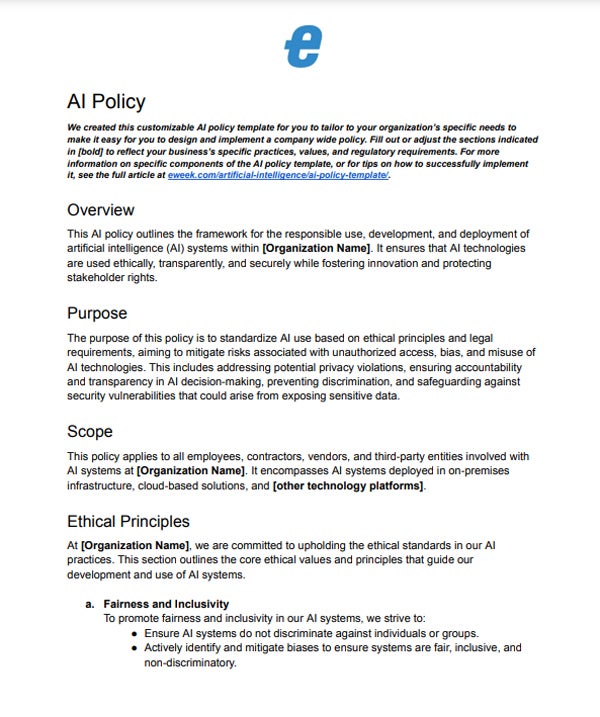
Why Your HR Needs a Generative AI Ethics Policy (Before the Bots Do Something Regrettable)
Picture this: Your marketing team unleashes a generative AI tool to draft social media posts, and suddenly, your brand’s voice sounds like a 1920s gangster crossed with a TikTok influencer. Or perhaps your hiring algorithm, trained on biased historical data, starts subtly favoring candidates who share the same alma mater as your CEO. These aren’t dystopian thought experiments—they’re real risks lurking in the shadows of unchecked AI adoption. A generative AI ethics policy isn’t just a bureaucratic hurdle; it’s your organization’s moral compass in a landscape where algorithms can amplify biases, erode trust, or even violate privacy without a single human lifting a finger.
Consider the case of a global corporation that deployed an AI-driven performance review system, only to discover it penalized employees who took parental leave. The fallout? Lawsuits, reputational damage, and a scramble to retroactively “fix” the system. The lesson? Without clear ethical guidelines, generative AI can become a silent saboteur, turning well-intentioned automation into a liability. Your policy should act as a preemptive strike against such scenarios, embedding fairness, transparency, and accountability into every line of code and every automated decision.
Defining the Core Principles: What Should Your Policy Cover?
At its heart, a generative AI ethics policy must balance three critical pillars: transparency, fairness, and accountability. Let’s break them down like a gourmet chef dissecting a complex dish.
1. Transparency: The “Show Your Work” Mandate
Imagine your AI tool generates a performance evaluation that concludes an employee is “underperforming.” Would you feel comfortable if that employee asked, “How did you reach this conclusion?” and you had no answer beyond “The algorithm said so”? Transparency demands that your policy require explainability—whether through audit logs, decision trees, or plain-language summaries. Employees and stakeholders should never be left in the dark about how AI-driven decisions are made. This isn’t just about avoiding legal headaches; it’s about fostering a culture of trust where technology serves as a tool, not a black box.
Pro tip: Include a clause requiring periodic “AI audits” where a cross-functional team reviews the system’s outputs for clarity and consistency. Think of it as a financial audit, but for your digital conscience.
2. Fairness: The “No Ghosts in the Machine” Rule
Bias in AI isn’t a bug—it’s a feature of the data it’s trained on. If your hiring algorithm was fed resumes from the last decade, it might unconsciously favor candidates who attended Ivy League schools or worked at companies with predominantly male leadership. Fairness in your policy means actively auditing datasets for demographic skews, testing algorithms for disparate impact, and ensuring diverse representation in both the development and deployment phases. It’s not enough to say, “We don’t discriminate.” You must prove it.
Consider implementing a “bias bounty” program, where employees or external experts are incentivized to identify and report biases in your AI systems. This turns fairness from a lofty ideal into a collaborative, ongoing effort.
3. Accountability: The “Who’s on First?” Protocol
When an AI system makes a mistake—whether it’s a chatbot spewing offensive responses or an HR tool misclassifying an employee’s leave status—who takes the blame? Your policy should delineate clear lines of accountability, assigning ownership for AI-driven outcomes. This might mean designating a “Chief AI Ethics Officer” or establishing a committee that meets quarterly to review high-stakes AI decisions. Accountability isn’t about finger-pointing; it’s about ensuring there’s always a human in the loop who can say, “This isn’t right,” and do something about it.
Bonus: Include a clause requiring human oversight for high-risk decisions, such as terminations or promotions. No algorithm should have the final say on a person’s livelihood—at least, not without a human in the room.
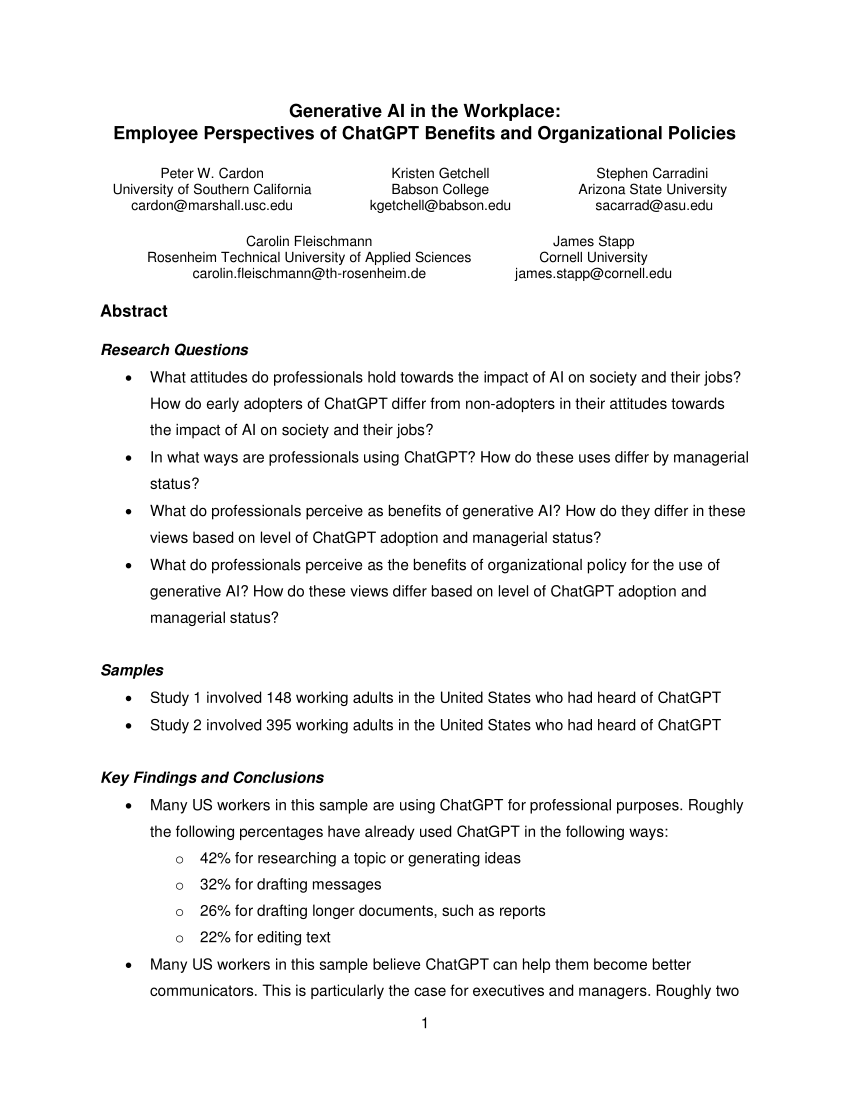
Practical Steps: Turning Theory into Policy
Now that we’ve covered the “why” and the “what,” let’s talk about the “how.” Crafting a generative AI ethics policy isn’t a one-and-done task—it’s an iterative process that evolves with your organization and the technology itself. Here’s a step-by-step roadmap to get you started.
1. Assemble a Cross-Functional Task Force
Ethics isn’t a solo sport. Your policy should be co-created by representatives from HR, legal, IT, diversity and inclusion, and even frontline employees who’ll interact with AI tools daily. This ensures the policy reflects diverse perspectives and addresses real-world concerns. Think of it as assembling a heist crew—every member brings a unique skill set, and the success of the mission depends on their collaboration.
2. Conduct a Risk Assessment: What Could Possibly Go Wrong?
Before drafting a single sentence, conduct a thorough risk assessment. What are the potential pitfalls of your AI tools? Could they inadvertently disclose sensitive employee data? Might they reinforce harmful stereotypes? Rank these risks by likelihood and impact, then prioritize them in your policy. This isn’t about stifling innovation—it’s about anticipating the bumps in the road before you hit them at full speed.
3. Draft the Policy: Keep It Clear, Concise, and Actionable
A policy that reads like a legal textbook is a policy that’ll gather dust on a shelf. Use plain language, real-world examples, and clear guidelines. For instance, instead of saying, “Ensure algorithmic fairness,” specify, “Conduct annual bias audits using the four-fifths rule to assess disparate impact across demographic groups.” Include a glossary of terms for non-technical stakeholders and a FAQ section to address common concerns.
Don’t forget to outline consequences for policy violations—whether it’s retraining employees, disabling an AI tool, or disciplinary action. Accountability means nothing without teeth.
4. Pilot and Iterate: Test Drive Your Policy
Before rolling out the policy company-wide, run a pilot with a small group of employees. Gather feedback, identify gaps, and refine the language and requirements. This isn’t just about ironing out kinks—it’s about demonstrating that your organization is committed to ethical AI, not just paying lip service to the idea.
Beyond the Policy: Fostering an Ethical AI Culture
A policy is only as effective as the culture that surrounds it. To truly embed generative AI ethics into your organization, you’ll need to go beyond documents and training sessions. Here’s how:
1. Continuous Education: Keep the Conversation Alive
Host regular workshops, lunch-and-learns, or even gamified training modules to keep employees engaged with AI ethics. Use case studies from other companies (the good, the bad, and the ugly) to illustrate why these principles matter. For example, share the story of a company that had to recall an AI chatbot after it started gaslighting customers—then discuss how your policy would prevent a similar fiasco.
2. Encourage Whistleblowing (Yes, Really)
Employees need to feel safe reporting ethical concerns without fear of retaliation. Establish anonymous reporting channels and a clear process for investigating claims. Remember, the goal isn’t to catch people doing wrong—it’s to catch the system doing wrong before it spirals out of control.
3. Celebrate Ethical Wins
Did your team catch a bias in an AI hiring tool before it went live? Did an employee use an AI tool responsibly in a way that saved time and improved outcomes? Shout it from the rooftops (or at least the company newsletter). Recognizing ethical behavior reinforces its importance and shows that your organization walks the talk.

The Future of AI Ethics: Preparing for What’s Next
As generative AI evolves at breakneck speed, your ethics policy can’t afford to lag behind. Stay ahead of the curve by monitoring emerging regulations (like the EU AI Act), subscribing to industry reports, and participating in forums where AI ethics leaders share insights. Consider appointing an “AI Ethics Champion” within each department to act as a local advocate for responsible AI use.
And here’s a thought to ponder: What if your next big innovation isn’t a product or service, but a culture shift? A workplace where AI is wielded with intention, where ethics are as integral to the process as code, and where every employee feels empowered to ask, “Is this the right thing to do?” That’s not just a policy—it’s a revolution.
The age of AI is here, and it’s reshaping the workplace in ways we’re only beginning to understand. But with a thoughtful, proactive approach to ethics, you can ensure that your organization doesn’t just survive this transformation—it thrives within it. So go ahead, draft that policy. Audit those algorithms. Celebrate those ethical wins. And remember: The future of work isn’t just about what AI can do for you. It’s about what you can do for AI.
Leave a comment