


In the labyrinthine world of corporate ascent, where the first rungs of the career ladder gleam with promise yet bristle with challenge, job readiness isn’t merely a buzzword—it’s the bedrock upon which early triumphs are built. For the fledgling professional poised to step into an entry-level role, the transition from academia to the boardroom can feel like navigating a stormy sea without a compass. Yet, with the right preparation, this journey transforms from a daunting odyssey into a calculated expedition. Welcome to a curated playlist of insights, designed to illuminate the path to job readiness, blending practical wisdom with strategic foresight.
Imagine stepping into your first corporate role with the confidence of someone who has already rehearsed the script. This isn’t about luck; it’s about meticulous preparation. From mastering the unspoken rules of office etiquette to decoding the subtle art of professional communication, job readiness is the invisible armor that shields you from the pitfalls of inexperience. Whether you’re a recent graduate or a career switcher, the journey begins long before your first day on the job. It starts with understanding the terrain, anticipating the challenges, and arming yourself with the tools to thrive.
The Foundational Pillars of Job Readiness
At the heart of job readiness lies a triad of competencies: technical proficiency, soft skills, and cultural alignment. Technical skills are the visible tip of the iceberg—spreadsheets that hum with data, presentations that dazzle with clarity, and software that bends to your will. Yet, beneath the surface, soft skills form the invisible scaffolding that holds everything together. Active listening, emotional intelligence, and the ability to pivot in the face of ambiguity are the unsung heroes of corporate success. Meanwhile, cultural alignment ensures you don’t just fit in but flourish, understanding the rhythm of the organization and harmonizing with its values.
Consider the case of a young professional who aced their Excel certification but struggled to navigate office politics. Their technical prowess was undeniable, yet without the finesse of interpersonal dynamics, they found themselves sidelined in critical discussions. Job readiness, therefore, is not a monolith but a mosaic, where each piece—technical, interpersonal, and cultural—must interlock seamlessly.
Navigating the Corporate Landscape: A Primer for Newcomers
The corporate world is a labyrinth of hierarchies, unspoken norms, and ever-shifting priorities. For the uninitiated, it can feel like deciphering an ancient code. Yet, with the right guidance, these complexities become manageable. Start by mapping the organizational structure. Who are the key decision-makers? What are the unwritten rules of engagement? Understanding the power dynamics and communication channels is akin to learning the rules of a new game—one where the stakes are high, and the margins for error are slim.
Visualize the office as a living organism, where each department plays a distinct role in the grand symphony of business. Sales drives revenue, operations ensures efficiency, and human resources nurtures the culture. As an entry-level professional, your role is a single note in this symphony, but its resonance can amplify your influence. Learn to listen before you speak, observe before you act, and contribute before you demand. The corporate ecosystem rewards those who understand its cadence and adapt accordingly.
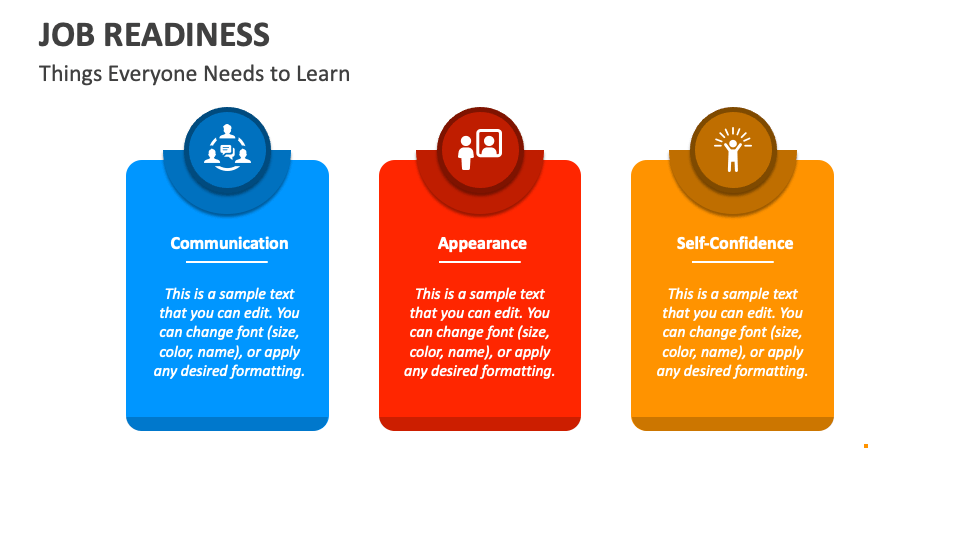
The Art of Professional Communication: More Than Just Words
Communication in the corporate realm is a multifaceted gem, reflecting clarity, conciseness, and context. It’s not merely about what you say but how, when, and to whom you say it. Email etiquette, for instance, is a silent battleground where brevity is king and ambiguity is the enemy. A well-crafted email can open doors; a poorly written one can slam them shut. Similarly, the art of active listening—truly hearing and processing information before responding—can set you apart in a world where most people are merely waiting for their turn to speak.
Imagine a scenario where a junior employee misinterprets a manager’s offhand remark as a directive, leading to a costly mistake. The error wasn’t born of malice but of miscommunication. This underscores the importance of precision in language, the need to clarify expectations, and the courage to ask questions when in doubt. Professional communication is the bridge between confusion and clarity, between misalignment and synergy.
Time Management: The Silent Competitive Advantage
In the relentless pace of corporate life, time is the ultimate currency. Those who master its management wield an invisible sword, cutting through chaos with surgical precision. Yet, time management isn’t about cramming more tasks into your day; it’s about prioritizing what truly matters. The Eisenhower Matrix—urgent versus important—is a timeless tool for distinguishing between the noise and the signal. Equally vital is the ability to delegate, a skill often overlooked by overzealous newcomers who fear appearing incapable.
Consider the tale of two colleagues: one who spends hours perfecting a report that could have been delegated, and another who focuses on high-impact projects while trusting their team to handle the rest. The latter not only delivers superior results but also earns the respect of their peers. Time management, therefore, is less about working harder and more about working smarter, aligning your efforts with the organization’s strategic goals.
Building Resilience: The Invisible Armor of Career Longevity
The corporate world is unforgiving. Setbacks are inevitable—rejected proposals, missed deadlines, or harsh feedback. Yet, it’s not the setbacks themselves that define your trajectory but your response to them. Resilience is the phoenix that rises from the ashes of failure, fueled by a growth mindset and an unwavering belief in your ability to improve. It’s the quiet determination that whispers, “This too shall pass,” even when the storm rages.
Developing resilience begins with reframing failure as feedback. Instead of viewing a setback as a reflection of your worth, see it as a data point—a clue to what needs adjustment. Seek mentorship, embrace challenges, and cultivate a support network of peers who uplift rather than undermine. Resilience isn’t about avoiding pain; it’s about learning to dance in the rain, turning adversity into a catalyst for growth.
Networking: The Currency of Opportunity
In the corporate ecosystem, relationships are the invisible threads that weave together opportunities. Networking isn’t about collecting business cards like trophies; it’s about forging genuine connections that enrich both parties. Attend industry events, engage in meaningful conversations, and follow up with authenticity. The goal isn’t to extract value but to create it—whether through shared knowledge, collaborative projects, or mutual support.
Picture a junior employee who attends a conference and strikes up a conversation with a senior leader. Months later, that casual chat leads to a mentorship opportunity, which in turn opens doors to a promotion. Networking, when done right, is less about transaction and more about transformation—a symbiotic exchange where both parties emerge stronger.
The Digital Footprint: Crafting Your Professional Persona
In an era where first impressions are often digital, your online presence is a critical component of job readiness. LinkedIn isn’t just a resume repository; it’s a living portfolio of your professional narrative. Ensure your profile is polished, your posts insightful, and your engagement meaningful. Avoid the pitfalls of oversharing or controversial opinions, which can tarnish your reputation before you’ve even had a chance to shine.
Consider the cautionary tale of a candidate who posted a rant about their previous employer online. The post went viral, reaching the very hiring managers they aspired to impress. Your digital footprint is a reflection of your professionalism—guard it with the same diligence you would a prized possession.
Continuous Learning: The Antidote to Obsolescence
The corporate world is in perpetual motion, with new technologies, methodologies, and trends emerging at a breakneck pace. To remain relevant, you must adopt a mindset of lifelong learning. Whether through formal certifications, online courses, or self-directed study, the pursuit of knowledge is the antidote to obsolescence. Allocate time each week to expand your skill set, and don’t shy away from stepping outside your comfort zone.
Imagine a data analyst who, after mastering Excel, dives into Python and machine learning. Their expanded toolkit not only makes them indispensable but also positions them for leadership roles. Continuous learning isn’t a luxury; it’s a necessity for those who aspire to rise above the noise.
As you stand on the precipice of your corporate journey, remember that job readiness is not a destination but a dynamic process—a perpetual cycle of preparation, adaptation, and growth. The tools and insights within this playlist are your compass, guiding you through the complexities of the corporate landscape with confidence and clarity. Embrace the challenges, celebrate the victories, and never stop refining your craft. The world of entry-level corporate roles is yours to conquer, one strategic step at a time.
Leave a comment