


In a world where algorithms crunch data and machines execute tasks with eerie precision, one question lingers like a stubborn coffee stain on a white shirt: What if the secret to career success isn’t just about what you know, but how you wield what you know? The modern workplace is a high-stakes arena where resumes bristle with technical jargon, certifications hang like glittering trophies, and LinkedIn profiles glow with the sheen of hard-earned expertise. Yet, beneath the glossy veneer of hard skills, a quieter revolution is brewing—one where the ability to connect, adapt, and inspire might just outshine the most dazzling technical prowess. Welcome to the showdown: Power Skills vs. Technical Skills. Which side will hiring managers bet their budgets on?
Imagine this: You’re a hiring manager sifting through a mountain of resumes for a critical role. On one side, you have Candidate A—a whiz with Python, SQL, and cloud architecture, their certifications stacked like Jenga blocks. On the other, Candidate B, whose resume boasts “exceptional emotional intelligence” and “uncanny ability to mediate team conflicts.” Who gets the call? The answer isn’t as straightforward as you’d think. The truth is, the most coveted professionals today are those who can marry razor-sharp technical acumen with the kind of interpersonal alchemy that turns a group of strangers into a high-performing team. Let’s dive into why power skills are no longer the soft underbelly of career success—they’re the beating heart of it.
The Great Divide: Where Technical Skills Meet Their Match
Technical skills are the bedrock of any industry. They’re the quantifiable, teachable abilities that get things done—coding a website, analyzing financial data, designing a circuit board. These skills are the visible currency of the professional world, flaunted in job descriptions like badges of honor. But here’s the catch: technical skills alone are like a sports car with no driver. Spectacular? Absolutely. Functional? Only if you know how to steer.
Consider the plight of the brilliant but socially awkward engineer. Their code is flawless, their algorithms elegant. Yet, they struggle to explain their work to non-technical stakeholders, leaving meetings in a fog of confusion. Or the data scientist who can predict market trends with eerie accuracy but can’t convince their team to adopt their insights. Technical skills get you in the door; power skills keep you in the room—and often, in the driver’s seat.
Hiring managers today aren’t just looking for technicians. They’re hunting for translators—people who can bridge the gap between raw expertise and real-world impact. A developer who can write clean code and rally a team around a shared vision is worth their weight in gold. The same goes for a marketer who can crunch analytics and craft a narrative that resonates with customers. Technical skills may open doors, but power skills are the key that turns the lock.
The Power Skills Paradox: Why They’re the Silent Superpowers
Power skills—often dismissed as “soft” or “fluffy”—are anything but. These are the hard-to-teach, harder-to-ignore abilities that define how we work with others and navigate the chaos of modern work. Think adaptability in the face of disruption, the art of persuasion in a room full of skeptics, or the grace to turn a conflict into a creative breakthrough. These skills are the invisible infrastructure of high-performing teams.
Why the sudden obsession? Because the workplace is no longer a static chessboard. It’s a shifting labyrinth of remote teams, cross-functional projects, and rapid technological evolution. Technical skills can become obsolete overnight (remember when everyone was scrambling to learn Flash?). Power skills? They’re timeless. The ability to listen actively, to communicate with clarity, to lead with empathy—these are the tools that help professionals pivot, thrive, and even reinvent themselves when the ground shifts beneath their feet.
Take the rise of AI. As machines take over repetitive tasks, the demand for uniquely human skills skyrockets. Hiring managers aren’t just looking for coders who can build an AI model; they want leaders who can ask the right questions, challenge assumptions, and ensure that technology serves humanity—not the other way around. In this context, power skills aren’t just nice-to-haves; they’re non-negotiables.
Consider the case of Satya Nadella, Microsoft’s CEO. When he took the helm, he didn’t just bring a technical background—he brought a philosophy of empathy and growth mindset. Under his leadership, Microsoft didn’t just pivot to cloud computing; it transformed its culture. The result? A company that didn’t just survive the digital revolution—it thrived. Power skills don’t just complement technical prowess; they amplify it.
The Hiring Manager’s Dilemma: Can You Have It All?
Of course, the ideal candidate is a mythical unicorn—equally adept at debugging code and defusing office tension. But in reality, hiring managers face a delicate balancing act. Do they prioritize a candidate with a PhD in machine learning but zero teamwork experience? Or the candidate with a knack for mentoring and a basic grasp of Python? The answer often depends on the role, the team, and the company’s culture.
For roles deeply rooted in technical execution—say, a cybersecurity analyst or a DevOps engineer—hard skills might dominate the hiring criteria. But even here, power skills creep in. A security analyst who can’t articulate risks to executives is a liability. A DevOps engineer who can’t collaborate across silos will struggle to implement changes smoothly. The key is recognizing that no role exists in a vacuum. Even the most technical positions require some level of communication, problem-solving, and adaptability.
On the flip side, roles that demand heavy interpersonal interaction—like project management or sales—often prioritize power skills upfront. But here’s the twist: even in these fields, technical literacy can be a game-changer. A salesperson who understands the product they’re selling can build trust faster. A project manager fluent in Agile methodologies can navigate stakeholder expectations with finesse. The line between “technical” and “power” skills is blurring, and the most effective professionals are those who embrace the overlap.
The Proof Is in the Paycheck: What the Data Says
If you’re still skeptical, let’s talk numbers. According to LinkedIn’s Global Talent Trends report, 92% of hiring managers say power skills are equally or more important than hard skills. Meanwhile, a study by Harvard University, the Carnegie Foundation, and Stanford Research Center found that 85% of financial success comes from skills in human engineering—personality, ability to negotiate, and charisma. Technical skills accounted for a mere 15%.
Even in STEM fields, where technical prowess is king, power skills are climbing the ranks. A survey by the World Economic Forum revealed that the top 10 skills for 2025 include critical thinking, resilience, and active learning—all power skills. The message is clear: the future belongs to those who can do and connect.
Companies are taking note. Google, once notorious for its data-driven hiring, now prioritizes power skills in its recruitment process. Their Project Oxygen study found that the eight most important qualities of Google’s top employees were all soft skills—like coaching, collaboration, and empathy. Similarly, Deloitte’s research shows that organizations with high emotional intelligence outperform their peers by 20% in profitability.
These aren’t just feel-good metrics. They’re a wake-up call. The businesses that thrive in the coming decade will be those that recognize power skills as a strategic advantage, not an afterthought.
How to Spot the Unicorn: What to Look for in Candidates
So, how do hiring managers separate the wheat from the chaff? How do they identify candidates who possess that elusive blend of technical acumen and interpersonal mastery? The answer lies in behavioral interviewing and situational judgment tests.
Instead of asking, “Do you know Python?” they might ask, “Tell me about a time you had to explain a complex technical concept to a non-technical audience. How did you ensure they understood?” Or, “Describe a situation where you had to adapt to a sudden change in project scope. What was your approach?” These questions peel back the layers of a resume to reveal the real skills at play.
Another tactic is to assess cultural fit. Power skills are deeply tied to a candidate’s values and work style. A candidate who thrives in collaborative environments might struggle in a highly autonomous role—and vice versa. Tools like personality assessments (e.g., Myers-Briggs or DISC) can provide insights, but they’re most effective when paired with real-world scenarios.
It’s also worth noting that power skills can be taught, even if they’re harder to quantify. Many companies are investing in training programs to upskill employees in areas like emotional intelligence, conflict resolution, and inclusive leadership. The key is to recognize that power skills aren’t just innate traits; they’re muscles that can be strengthened with practice.
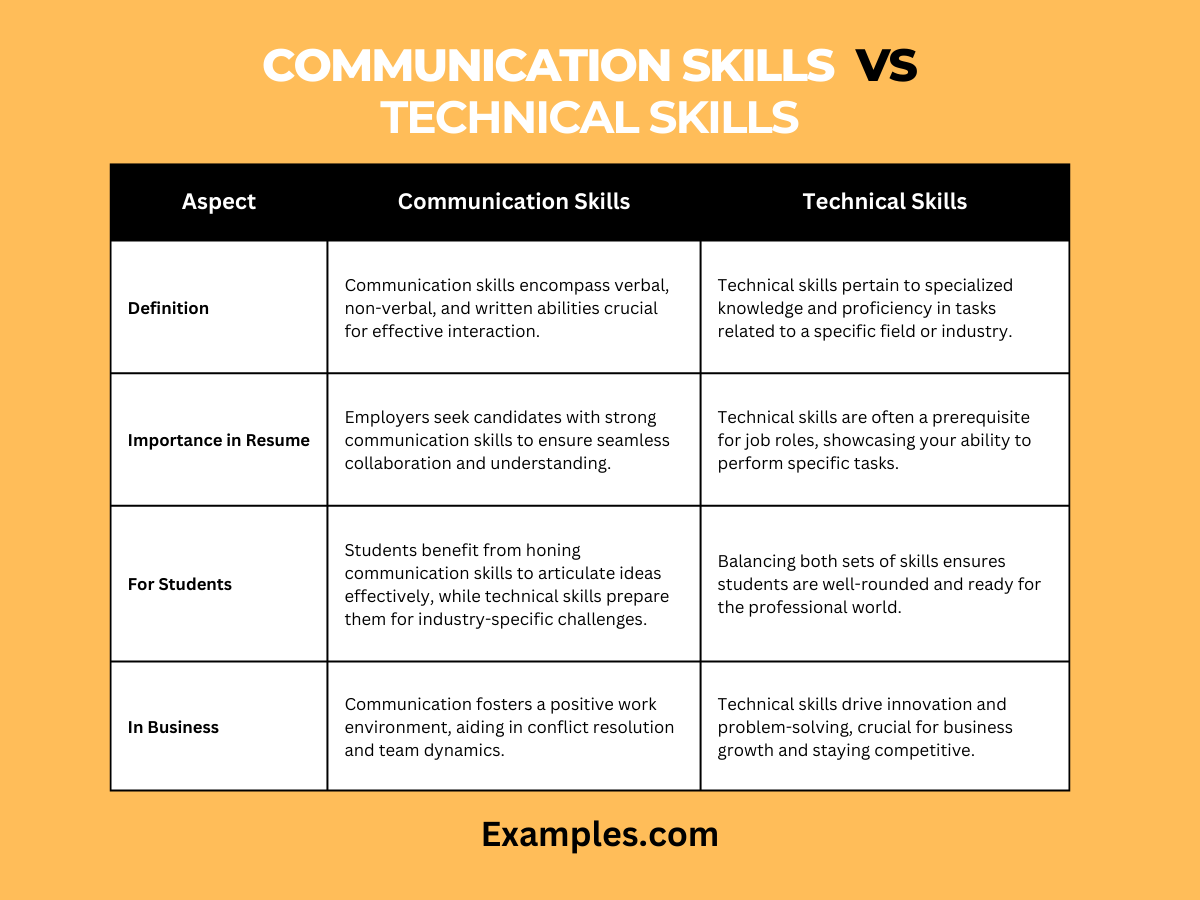
The Future Is Hybrid: Why the Best Teams Are Bilingual
As we hurtle toward an AI-augmented future, the most valuable professionals will be those who can speak both languages—the language of machines and the language of humans. This isn’t about choosing sides; it’s about mastering the art of translation. A developer who can write elegant code and articulate its purpose to a room of non-technical executives is invaluable. A marketer who can crunch data and craft a story that tugs at heartstrings is unstoppable.
Companies that embrace this hybrid mindset are already reaping the rewards. Take the example of Salesforce, which built its empire on a foundation of both technical innovation and customer-centric culture. Their employees aren’t just coders or salespeople—they’re solution architects, blending hard and soft skills to deliver value. Similarly, companies like Airbnb and Netflix prioritize “high agency” employees—those who take initiative, collaborate seamlessly, and adapt with agility.
The message is simple: the future of work isn’t a zero-sum game. It’s not about technical skills or power skills. It’s about technical skills and power skills. The professionals who will lead the charge are those who can dance between the two with grace, turning complexity into clarity and chaos into collaboration.
So, the next time you’re updating your resume or preparing for an interview, ask yourself: Am I just a technician, or am I a translator? The answer might just determine whether you’re a footnote in the annals of corporate history—or the architect of its next chapter.
The workplace of tomorrow isn’t built on silos. It’s built on bridges. And the engineers of those bridges? They’re the ones who know how to wield both power skills and technical skills with equal mastery.
Leave a comment