


The future of education isn’t just knocking on the door—it’s already reshaping the foundation of how we learn, teach, and innovate. At the heart of this transformation lies a powerful catalyst: Generative AI in Education Grants, particularly those championed by visionaries like the Bill & Melinda Gates Foundation. These grants aren’t merely financial injections; they are the spark that ignites a paradigm shift, redefining access, equity, and personalization in learning ecosystems across the globe. Imagine classrooms where every student receives a bespoke curriculum, where educators are liberated from administrative burdens, and where the boundaries of knowledge expand beyond traditional textbooks. This isn’t science fiction—it’s the promise of Generative AI, and it’s being unlocked one grant at a time.
But what makes these grants so pivotal? It’s not just about funding technology. It’s about reimagining education as a dynamic, adaptive, and inclusive experience. Generative AI—with its ability to create, analyze, and personalize content at scale—holds the key to dismantling long-standing barriers in education. From rural classrooms in sub-Saharan Africa to overcrowded urban schools in the United States, the potential is boundless. Yet, the journey from promise to practice is fraught with challenges: ethical dilemmas, implementation hurdles, and the ever-present question of whether technology can truly replace the human touch in teaching. The Gates Foundation’s strategic investments in Generative AI are not just betting on innovation—they’re betting on a future where no learner is left behind.
As we delve into the transformative power of these grants, prepare to challenge your assumptions. This isn’t just another tech trend. It’s a revolution in the making, one that demands we ask: What does it mean to learn in the age of AI?
The Dawn of a New Educational Epoch: Why Generative AI Grants Matter
Education has always been a mirror of societal evolution. From the invention of the printing press to the rise of the internet, each technological leap has redefined how knowledge is disseminated. Generative AI represents the next seismic shift—a tool so versatile it can generate lesson plans, tutor students in real-time, and even craft interactive learning environments tailored to individual cognitive rhythms. But without strategic funding, these tools risk becoming luxuries reserved for elite institutions. That’s where education grants, particularly those spearheaded by the Bill & Melinda Gates Foundation, come into play.
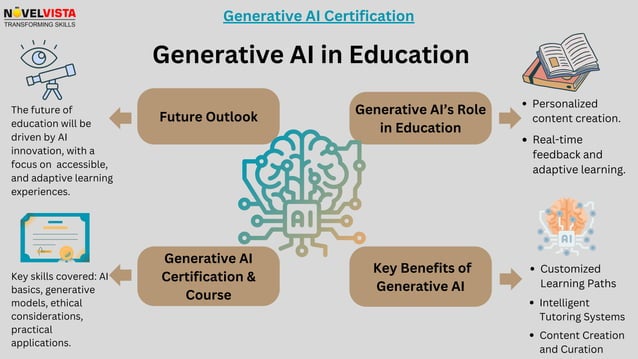
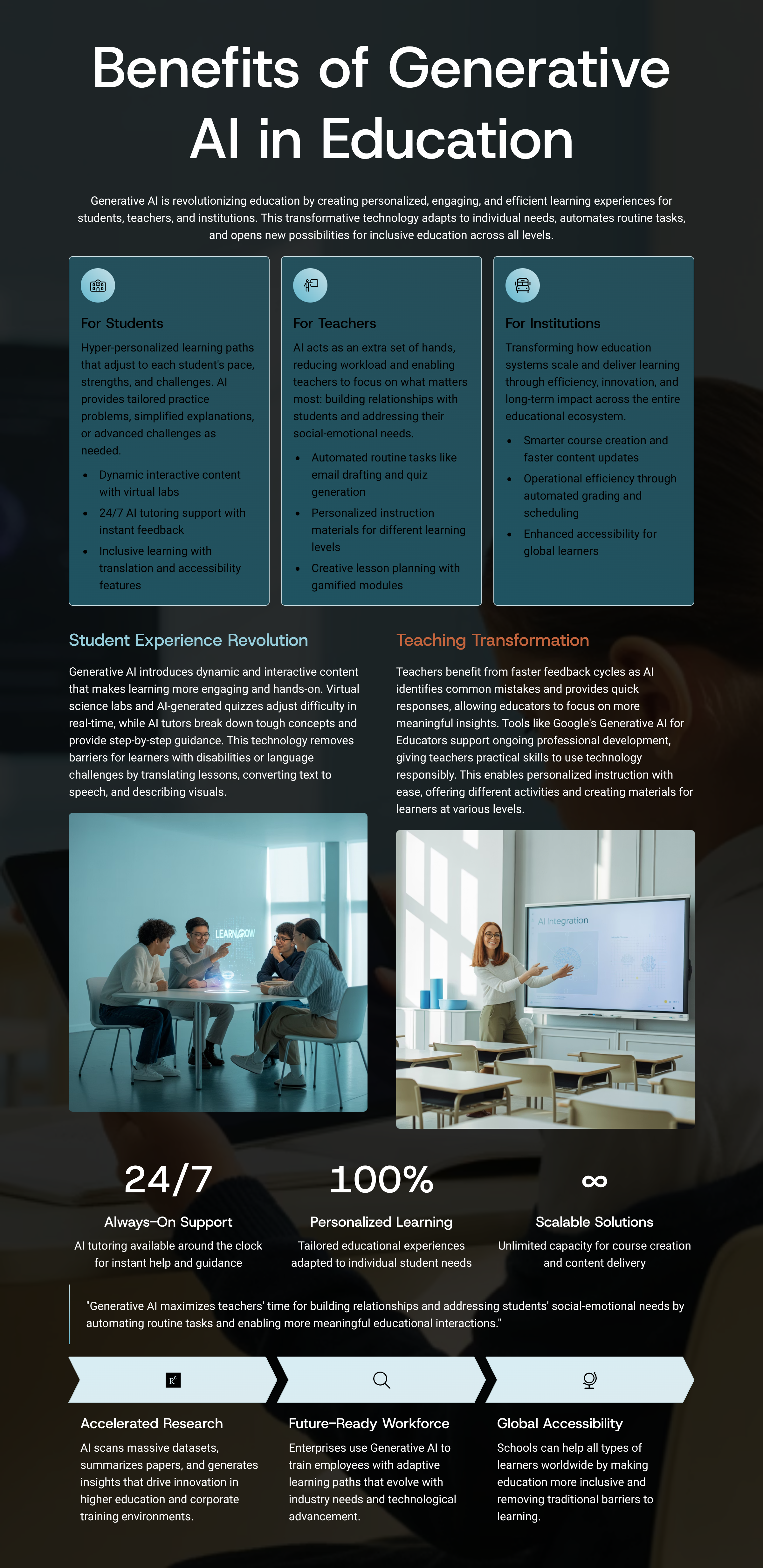
These grants are more than financial lifelines; they are catalysts for systemic change. Consider the plight of teachers overwhelmed by administrative tasks. Generative AI can automate grading, streamline lesson planning, and provide data-driven insights into student performance. For students, it offers personalized learning paths that adapt in real-time to their strengths, weaknesses, and interests. The Gates Foundation’s focus on Generative AI in education isn’t just about keeping pace with technology—it’s about leapfrogging into a future where education is proactive, predictive, and profoundly personal.
Yet, the true magic lies in the ripple effects. When students engage with AI-driven content that resonates with their unique learning styles, engagement soars. When educators are freed from repetitive tasks, they can focus on mentorship and creativity. And when institutions leverage AI to identify gaps in learning early, interventions become timely and effective. This is the promise of Generative AI grants: a future where education is not a one-size-fits-all model but a living, breathing ecosystem that evolves with its learners.
Breaking Barriers: How Grants Are Democratizing AI-Powered Learning
The digital divide is one of the most pressing challenges in modern education. While affluent schools may boast cutting-edge tech labs, many underfunded districts struggle with outdated infrastructure and limited resources. Generative AI grants are a game-changer in this context, acting as equalizers that level the playing field. The Gates Foundation’s investments are strategically directed toward projects that prioritize accessibility, ensuring that AI tools are not just powerful but also affordable and inclusive.
Take, for instance, the development of AI-powered tutoring systems designed for low-bandwidth environments. These systems can function offline, delivering personalized lessons via basic devices like smartphones or tablets. Similarly, grants are funding the creation of multilingual AI platforms that break down language barriers, allowing non-native speakers to access high-quality education in their preferred language. The goal isn’t just to provide tools—it’s to empower communities that have historically been sidelined by systemic inequities.
But democratization goes beyond hardware and software. It’s about cultural relevance. Generative AI can be trained on diverse datasets, ensuring that educational content reflects the lived experiences of learners from different backgrounds. Whether it’s adapting historical lessons to include local perspectives or generating STEM problems rooted in real-world scenarios, AI becomes a bridge between global knowledge and local context. This isn’t just about making education accessible—it’s about making it meaningful.
The Gates Foundation’s approach is holistic. They’re not just funding the development of AI tools; they’re investing in research that explores the long-term impact of these technologies on student outcomes. By partnering with educators, policymakers, and technologists, they’re ensuring that these innovations are not just flashy prototypes but sustainable solutions with measurable benefits.
The Ethical Labyrinth: Navigating the Moral Dimensions of AI in Education
With great power comes great responsibility—and Generative AI is no exception. As these tools become more integrated into education, they raise critical ethical questions. Who owns the data generated by AI-driven learning platforms? How do we ensure that AI algorithms don’t perpetuate biases present in their training data? And perhaps most importantly, can AI ever truly replicate the empathy and intuition of a human teacher?
The Gates Foundation’s grants are not naive about these challenges. In fact, they’re addressing them head-on by funding research into ethical AI frameworks that prioritize transparency, accountability, and equity. For example, some grantees are developing AI systems that provide clear explanations for their decisions, allowing educators and students to understand how recommendations are generated. Others are exploring ways to audit AI models for bias, ensuring that the content they produce is fair and inclusive.
But ethics in AI isn’t just about avoiding harm—it’s about maximizing benefit. Generative AI has the potential to amplify human potential in unprecedented ways. Imagine an AI that doesn’t just grade essays but helps students refine their arguments, or a tool that identifies creative talents in students who might otherwise go unnoticed. The key is to design these systems with human flourishing at their core, not just efficiency or profit.
This is where the Gates Foundation’s investments shine. They’re not just funding technology; they’re fostering a dialogue about the role of AI in society. By convening educators, ethicists, and technologists, they’re ensuring that the development of AI in education is guided by principles that prioritize dignity, equity, and opportunity.
From Theory to Practice: Real-World Transformations Fueled by Grants
The proof of Generative AI’s impact lies in its real-world applications. Across the globe, institutions are leveraging Gates Foundation grants to pilot groundbreaking projects that are already yielding tangible results. In one rural district, an AI-powered platform is being used to teach literacy in areas where qualified teachers are scarce. The system adapts to each student’s reading level, providing interactive exercises and instant feedback. Within months, literacy rates in the district saw a 30% increase—a testament to the power of personalized learning.
In another example, a university is using AI to create dynamic syllabi that evolve based on student performance data. If the AI detects that a majority of students are struggling with a particular concept, it can automatically generate supplementary materials or suggest alternative teaching strategies. This isn’t just about making education easier—it’s about making it smarter.
But perhaps the most exciting transformations are happening in the realm of special education. Generative AI is being used to develop tools that cater to students with diverse learning needs, from those with dyslexia to non-verbal learners. For instance, AI-driven speech-to-text software can transcribe lectures in real-time, while adaptive learning platforms can adjust the pace and complexity of lessons to match a student’s cognitive abilities. These innovations aren’t just enhancing accessibility—they’re redefining what it means to include every learner in the educational journey.
The Gates Foundation’s grants are also catalyzing collaborations between academia and industry. By partnering with tech companies, they’re accelerating the development of AI tools that are not only powerful but also user-friendly. This cross-pollination of ideas is crucial for ensuring that these technologies are adopted at scale, reaching the students who need them most.
The Road Ahead: Challenges and Opportunities in Scaling AI Education
Despite the promise, scaling Generative AI in education is not without its hurdles. One of the biggest challenges is teacher adoption. Many educators are understandably skeptical of technology that threatens to replace their roles or add to their workload. The solution? Involve teachers in the design process from the outset. When educators co-create AI tools, they’re more likely to embrace them—and even advocate for their adoption.
Another critical issue is data privacy. AI systems thrive on data, but in an educational context, this data is deeply personal. Schools must ensure that student information is protected and used ethically. The Gates Foundation’s grants are funding the development of privacy-preserving AI models that can deliver personalized learning without compromising sensitive data. Techniques like federated learning—where AI models are trained on decentralized data—are paving the way for secure, scalable solutions.
Then there’s the question of infrastructure. Not all schools have the bandwidth or devices to support AI-driven platforms. This is where grants play a dual role: they fund not just the development of AI tools but also the infrastructure needed to deploy them. From providing tablets to upgrading internet connectivity, these investments are essential for ensuring that AI’s benefits are accessible to all.
Yet, the opportunities far outweigh the challenges. As AI becomes more sophisticated, its potential to transform education grows exponentially. Imagine a world where every student has a personal AI tutor, where classrooms are hubs of collaborative creativity, and where education is not a privilege but a right. This isn’t a distant dream—it’s a future that’s being built today, one grant at a time.
The Gates Foundation’s investments in Generative AI are more than financial commitments; they’re a bold statement about the future of learning. They challenge us to rethink education not as a static system but as a living, evolving ecosystem that adapts to the needs of its learners. And as these tools become more widespread, they have the power to reshape societies, creating a generation of critical thinkers, innovators, and lifelong learners.
So, as we stand on the precipice of this new educational era, the question isn’t whether AI will transform learning—it’s how we’ll harness its potential to create a world where every mind has the opportunity to thrive. The grants are flowing. The tools are being built. The future is waiting. Will we seize it?
Leave a comment