


In a world that glorifies relentless hustle, the line between dedication and self-destruction has blurred into obscurity. The modern mantra—“burn the candle at both ends”—has morphed from a cautionary tale into a badge of honor. But what if the real badge worth wearing isn’t one of perpetual exhaustion, but of knowing when to step back? This isn’t about quitting; it’s about evolving. It’s about recognizing that the most powerful thing you can do isn’t to push harder, but to pause wisely. Let’s explore how to burn brightly without burning out, and how to transform the narrative of “I’m fine” into “I’m intentional.”
The Myth of the Unbreakable Hero
Society has long celebrated the myth of the unbreakable hero—the person who thrives on four hours of sleep, survives on caffeine and sheer willpower, and somehow still has time to mentor others. This archetype is deeply embedded in our collective psyche, reinforced by social media feeds showcasing “hustle culture” as the ultimate path to success. Yet, behind the curated posts lies a harsh truth: burnout isn’t a badge of honor. It’s a silent thief that erodes creativity, relationships, and health long before it announces itself with a crash.
Consider the paradox: the more we glorify exhaustion, the less we value sustainability. The unbreakable hero isn’t a role model; they’re a cautionary tale. True strength lies not in enduring suffering, but in mastering the art of recalibration. It’s the quiet leader who steps back not out of weakness, but out of wisdom—the one who understands that rest isn’t a reward for productivity, but the foundation of it.
The Alchemy of Intentional Pause
Pause isn’t laziness. It’s alchemy. In the stillness between actions, we distill clarity from chaos, and purpose from pressure. Yet, most of us treat pauses like luxuries we can’t afford, rather than the essential ingredients of sustainable success. The key isn’t to eliminate pauses entirely, but to infuse them with intention.
Think of it like a campfire. A fire that burns too hot and too fast will consume itself, leaving only embers. But a fire that’s carefully stoked, with moments of controlled breath, will glow steadily for hours. The same principle applies to our lives. Intentional pauses—whether a five-minute walk, a digital detox, or a weekend unplugged—aren’t interruptions to productivity. They’re the rhythm that keeps the flame alive.
But how do we cultivate this rhythm in a world that demands constant motion? Start small. Designate one hour each week as “sacred stillness,” a time to reflect without distraction. Use it to ask: What’s draining me? What’s fulfilling me? These questions aren’t frivolous; they’re the compass that guides us away from burnout and toward balance.
The Currency of Energy, Not Time
We’ve been sold a lie that time is the ultimate currency. But time is finite. Energy, on the other hand, is renewable—if we manage it wisely. The shift from time management to energy management is revolutionary. It’s the difference between sprinting a marathon and pacing yourself to finish strong.
Energy isn’t just physical; it’s emotional, mental, and spiritual. A single toxic relationship can drain your energy faster than a sleepless night. A cluttered mind, filled with unresolved tasks, saps vitality just as surely as poor nutrition. To badge out of burnout, we must audit our energy sources as meticulously as we track our bank accounts.
Begin by identifying your energy peaks and troughs. Are you a morning lark or a night owl? Do certain tasks leave you feeling depleted or invigorated? Once you know your patterns, you can align your work with your natural rhythms. Protect your peak hours for high-impact tasks. Delegate or automate the rest. And most importantly, say no to the energy vampires—the commitments, people, or habits that leave you feeling hollow.
The Art of Strategic Quitting
Quitting has a bad reputation, but strategic quitting is the ultimate act of self-respect. It’s the decision to walk away from what no longer serves you—not out of defeat, but out of clarity. Every “no” is a “yes” to something better. Every abandoned project is an opportunity to redirect your energy toward what truly matters.
Consider the story of a painter who spends years perfecting a single masterpiece, only to realize it’s not what they want to create. The courage to abandon that work isn’t failure; it’s liberation. It’s the first brushstroke of a new, more authentic canvas. Strategic quitting requires brutal honesty. Ask yourself: Is this still aligned with my values? Does this bring me joy or dread? If the answer isn’t a resounding “yes,” it’s time to let go.
But quitting isn’t just about leaving things behind. It’s also about quitting the habits that sabotage us. The endless doomscrolling. The guilt over rest. The belief that our worth is tied to our output. These are the silent saboteurs, the habits that whisper, “Just one more hour,” until we’re hollowed out. Break the cycle by replacing these habits with rituals that replenish you. A morning walk instead of scrolling. A nap instead of guilt. A “done” list instead of a to-do list.
The Power of Reframing Rest
Rest isn’t the opposite of productivity; it’s its secret weapon. Yet, we’ve been conditioned to see rest as a luxury, a reward for the overworked. This mindset is the root of burnout. To badge out of the cycle, we must reframe rest as a necessity, not a nicety. It’s the soil in which creativity, resilience, and innovation grow.
Neuroscience confirms what poets have always known: the mind solves problems in the shower. Ideas emerge in the space between tasks. Solutions appear when we’re not forcing them. Rest isn’t laziness; it’s the incubation period for brilliance. The most groundbreaking insights often come not in the boardroom, but in the quiet moments—when we’re walking, dreaming, or simply doing nothing.
To harness this power, build rest into your schedule as deliberately as you schedule meetings. Block out “white space” in your calendar. Take micro-breaks every 90 minutes to reset your focus. And embrace the power of the power nap—a 20-minute snooze can restore alertness and creativity better than an extra cup of coffee.
From Burnout to Badge Out: A Call to Action
The badge of burnout is heavy and hollow. The badge of intentional living? That’s the one worth wearing. It’s the mark of someone who knows their limits, respects their energy, and refuses to confuse motion with meaning. It’s the quiet triumph of someone who’s learned that the most powerful thing they can do isn’t to push harder, but to pause wisely.
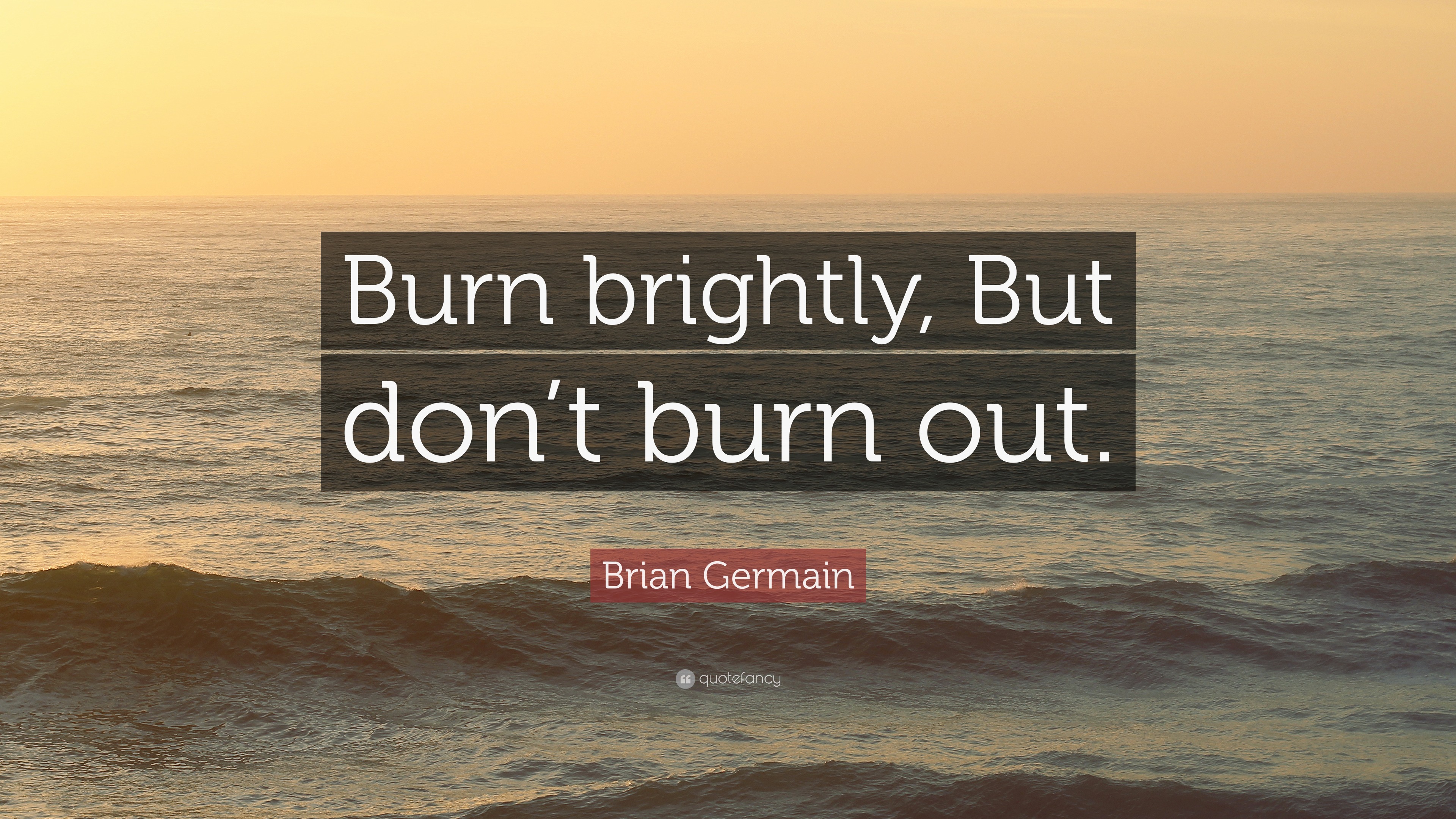
So, how do you begin? Start by auditing your energy. Identify what drains you and what fuels you. Designate one hour this week as sacred stillness. Quit one habit that no longer serves you. And most importantly, give yourself permission to rest—not as a reward, but as a right. Burn brightly, but don’t burn out. That’s the badge worth earning.
The world doesn’t need more heroes who collapse under the weight of their own exhaustion. It needs leaders who know when to step back, creators who honor their limits, and individuals who understand that sustainability is the ultimate form of success. Your badge isn’t earned in the grind. It’s earned in the grace of knowing when to stop.
Leave a comment