


In the ever-evolving landscape of professional development, micro-credentials have emerged as the building blocks of a dynamic, skills-based economy. But stacking them isn’t just about piling badges on a digital resume—it’s about crafting a narrative of expertise, adaptability, and strategic foresight. Whether you’re a lifelong learner, a career pivotist, or an industry disruptor, mastering the art of advanced micro-credential stacking can unlock doors to opportunities you never imagined. Imagine transforming a scattered collection of certifications into a cohesive, marketable powerhouse that speaks volumes about your capabilities. This isn’t just about quantity; it’s about curating a symphony of skills that resonate with employers, clients, and collaborators alike. Let’s dive into the strategies that will elevate your micro-credential game from amateur to virtuoso.
The Art of Intentional Stacking: Beyond the Checklist Mentality
Gone are the days when stacking micro-credentials meant blindly collecting badges like a digital hoarder. The true mastery lies in intentionality—curating a stack that tells a story. Start by identifying the core competencies that align with your career trajectory or personal growth ambitions. For instance, a project manager might stack credentials in agile methodologies, risk assessment, and stakeholder communication, creating a narrative of holistic project leadership. The key is to think in terms of skill adjacencies—how each credential complements the others to form a cohesive whole. Avoid the trap of siloed learning; instead, seek out badges that bridge gaps between disciplines, such as combining data analytics with UX design to carve a niche in tech-driven user research.
Consider the vertical vs. horizontal stacking approach. Vertical stacking involves deepening expertise in a single domain, such as advancing from a foundational cybersecurity badge to specialized certifications in ethical hacking or cloud security. Horizontal stacking, on the other hand, broadens your skillset across complementary areas, like pairing a digital marketing badge with one in content strategy and social media analytics. The magic happens when you blend both strategies, creating a T-shaped skill profile where depth meets breadth. This dual approach ensures you’re not just a jack-of-all-trades but a master of a few with the agility to adapt.
Leveraging Pathway Programs: The Fast Track to Cohesive Stacks
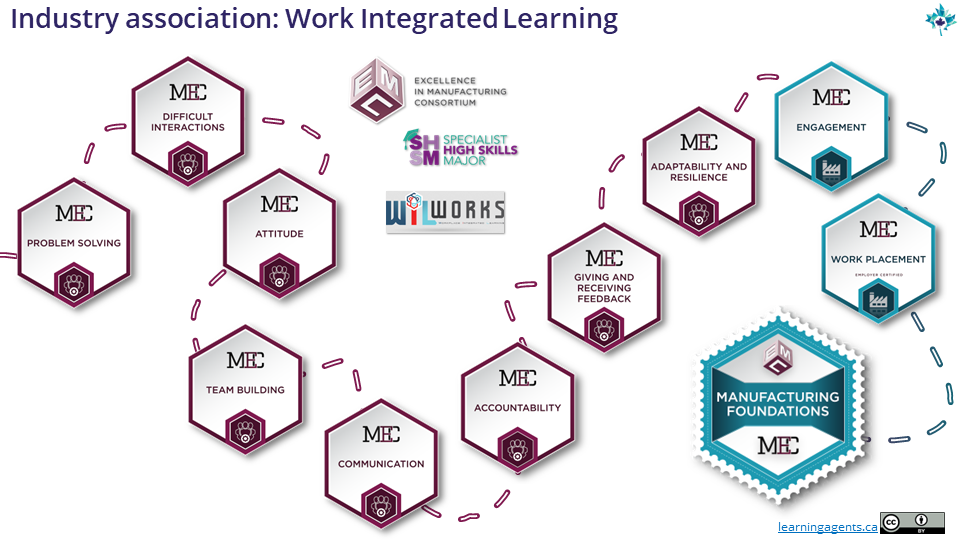
Many institutions and platforms now offer pathway programs—structured sequences of micro-credentials designed to guide learners toward a specific competency or career outcome. These programs are the GPS of stacking, eliminating the guesswork of which badges to pursue next. For example, a pathway in sustainable business might include badges in carbon footprint analysis, circular economy principles, and ESG reporting, culminating in a capstone project that demonstrates applied knowledge. Pathways often come with built-in assessments, peer collaboration, and mentorship, transforming a solo credentialing journey into a communal learning experience.
The beauty of pathway programs lies in their stackability. Many allow you to import existing badges, so you’re not starting from scratch. This modularity is a game-changer for professionals who already hold certifications but want to refine their stack. Additionally, pathway providers often partner with industry leaders to ensure their credentials are recognized and valued, giving your stack an immediate credibility boost. Before committing, scrutinize the pathway’s alignment with your goals—does it emphasize practical skills over theoretical fluff? Are the assessments rigorous enough to stand up to professional scrutiny? A well-designed pathway should feel like a masterclass in applied learning, not just a series of hoops to jump through.
Gamifying Your Stack: Rewards, Recognition, and the Psychology of Progress
Human beings are wired to respond to rewards and visible progress, which is why gamification can supercharge your micro-credential stacking efforts. Platforms like Credly, Accredible, and even LinkedIn’s skill endorsements turn badges into digital trophies, but the real magic happens when you integrate gamification into your own learning ecosystem. Start by setting micro-goals—small, achievable milestones that trigger dopamine hits and keep you motivated. For instance, aim to earn three badges in a month, then celebrate with a reflective blog post or a LinkedIn update sharing your journey. The act of public acknowledgment reinforces your commitment and invites accountability from your network.
Another gamification tactic is the “boss battle” approach, where you tackle a challenging credential that requires synthesizing multiple skills. For example, a digital transformation specialist might pursue a badge in change management after stacking credentials in cloud computing, data literacy, and agile frameworks. The final assessment—often a capstone project or case study—serves as the ultimate test of your stacked expertise. To make it even more engaging, join a study group or online community where members share resources, hold each other accountable, and celebrate milestones together. The sense of camaraderie turns a solitary pursuit into a shared adventure.
Showcasing Your Stack: The Digital Portfolio Revolution
A stack of micro-credentials is only as valuable as its presentation. In a world where recruiters spend mere seconds scanning resumes, your digital portfolio must do the heavy lifting of storytelling. Start by creating a centralized hub—a personal website, LinkedIn profile, or even a simple Notion page—where your badges are displayed with context. For each credential, include a brief narrative explaining its relevance to your career goals. Did a data analytics badge help you pivot into a business intelligence role? Did a leadership micro-credential prepare you for a management position? The narrative transforms static badges into a living, breathing testament to your growth.
Visual storytelling is another powerful tool. Use infographics to map your stack, highlighting how each badge contributes to a larger skill ecosystem. For example, a concentric circle diagram can illustrate the core skills at the center, surrounded by complementary badges that enhance their value. Alternatively, a timeline can showcase your stacking journey chronologically, emphasizing the deliberate progression of your learning. Don’t underestimate the power of multimedia—embed videos, podcasts, or case studies that demonstrate your applied skills. A portfolio that combines visuals, narratives, and evidence of impact will leave a lasting impression on potential employers or clients.
Social proof is the final layer of a compelling portfolio. Display endorsements from colleagues, mentors, or industry experts who can vouch for the quality of your stack. If you’ve completed a pathway program, feature testimonials from instructors or peers. Even a simple LinkedIn post sharing your stacking journey can attract opportunities—many professionals have landed gigs or collaborations simply by showcasing their commitment to continuous learning. Remember, your portfolio isn’t just a repository of badges; it’s a dynamic showcase of your intellectual curiosity and professional evolution.
Navigating the Credentialing Maze: Quality Over Quantity
Not all micro-credentials are created equal, and the proliferation of badges can make it challenging to discern which ones hold real value. The first rule of advanced stacking is to prioritize quality and relevance over sheer volume. Start by researching the issuing organizations—are they accredited, industry-recognized, or affiliated with reputable institutions? A badge from a well-known university or a globally recognized certification body carries more weight than a generic online course. Additionally, look for credentials that align with industry standards, such as those endorsed by professional associations like the Project Management Institute (PMI) or the Institute of Electrical and Electronics Engineers (IEEE).
Another critical factor is the assessment rigor of the credential. A badge that requires a capstone project, peer review, or proctored exam is inherently more valuable than one awarded for passive participation. Scrutinize the learning outcomes—do they emphasize practical skills, critical thinking, or real-world application? Avoid badges that feel like glorified quizzes or superficial checklists. Instead, seek out credentials that challenge you to apply knowledge in authentic scenarios, such as case studies, simulations, or hands-on labs. The goal is to build a stack that not only looks impressive but also equips you with skills that are immediately transferable to your career.
Finally, be wary of the credential inflation trap—the phenomenon where the market becomes saturated with badges of dubious value. To stay ahead, focus on emerging fields where micro-credentials are still a novelty, such as AI ethics, quantum computing, or sustainable finance. These niches offer early adopters a competitive edge, as the demand for specialized skills outpaces the supply of qualified professionals. Additionally, consider stacking credentials that address future-proofing skills, such as adaptability, emotional intelligence, or cross-cultural collaboration. The most resilient stacks are those that evolve with the times, ensuring your expertise remains relevant in an ever-changing job market.
The Future of Stacking: AI, Blockchain, and the Next Frontier
The micro-credential landscape is on the cusp of a revolution, driven by advancements in artificial intelligence, blockchain, and decentralized learning ecosystems. Imagine a future where your stack isn’t just a collection of badges but a verifiable, dynamic ledger of your skills, accessible via blockchain and enriched by AI-driven insights. Platforms like SkillWallet and Learning Machine are already experimenting with blockchain-based credentialing, where badges are immutable, tamper-proof, and instantly verifiable by employers. This technology eliminates the need for third-party verification, streamlining the hiring process and reducing fraud.
AI is another game-changer, particularly in the realm of personalized stacking. Imagine an AI mentor that analyzes your career goals, current skills, and learning preferences to recommend a tailored stack of micro-credentials. These systems could adapt in real-time, suggesting new badges as industries evolve or your goals shift. For example, if you’re in marketing and AI identifies a growing demand for prompt engineering skills, it might recommend a badge in generative AI tools to complement your existing stack. The integration of AI and micro-credentials could democratize access to personalized learning, making advanced stacking strategies accessible to learners at all levels.
The rise of micro-credential marketplaces is also reshaping the stacking landscape. Platforms like Coursera, edX, and Udacity now offer curated stacks of badges that can be purchased in bundles, often at a discounted rate. These marketplaces simplify the process of building a cohesive stack, providing a one-stop shop for learners who want to avoid the hassle of piecing together credentials from multiple providers. Additionally, some marketplaces offer stack credits—a form of currency that can be redeemed for advanced credentials or even degree programs. This gamified approach incentivizes learners to pursue structured stacking pathways, further blurring the lines between micro-credentials and traditional education.
Advanced micro-credential stacking is more than a trend—it’s a paradigm shift in how we approach learning and professional development. By embracing intentionality, leveraging pathway programs, gamifying your journey, and showcasing your stack with purpose, you’re not just collecting badges; you’re crafting a narrative of expertise that commands attention. The future of stacking is dynamic, tech-driven, and deeply personalized, offering unprecedented opportunities to those willing to invest in their growth. Whether you’re aiming for a career pivot, a promotion, or simply the satisfaction of mastering new skills, the strategies outlined here will guide you toward a stack that’s as unique as your ambitions. The journey begins with a single badge—but the destination is a legacy of continuous evolution.
Leave a comment