


In the vibrant tapestry of modern academia, LGBTQ+ students weave threads of resilience, creativity, and unyielding authenticity. Yet beneath the surface of bustling lecture halls and late-night study sessions lies a quieter narrative—one of navigating identity in spaces that often feel indifferent, if not outright hostile. Affirming care isn’t just a buzzword; it’s the lifeline that transforms isolation into belonging, doubt into confidence, and mere survival into thriving. For LGBTQ+ students, well-being isn’t merely about mental health check-ups or inclusive policies—it’s about reclaiming agency in a world that has long tried to define them by its terms, not theirs.
Consider the student who walks into a classroom and wonders, “Will my name be mispronounced today?” Or the one who hesitates before sharing their pronouns, fearing the judgment that might follow. These aren’t trivial anxieties; they’re the daily microaggressions that chip away at self-worth. Affirming care flips the script. It doesn’t just tolerate difference—it celebrates it. It doesn’t just acknowledge struggles; it equips students with the tools to navigate them with dignity. From gender-neutral restrooms to mental health resources tailored to queer experiences, affirming care is the quiet revolution that turns institutions into sanctuaries.
The Weight of Unseen Labels: How Identity Shapes Academic Experience
Every LGBTQ+ student carries a unique constellation of identities—some visible, others hidden in the shadows of fear. For those who are out, the pressure to perform “correctly” can be exhausting. For those who aren’t, the mental load of secrecy is its own kind of prison. Studies show that LGBTQ+ students are three times more likely to experience depression and anxiety than their straight, cisgender peers. The reason? It’s not their identities that are the problem—it’s the environments that fail to meet them where they are.
Affirming care begins with language. A simple “What pronouns do you use?” can dismantle years of erasure. It extends to policies that protect against discrimination, spaces that honor chosen names, and curricula that reflect queer histories and contributions. But it doesn’t stop there. True affirmation means recognizing that well-being isn’t one-size-fits-all. A trans student navigating hormone therapy may need different support than a bisexual student grappling with biphobia. The key lies in listening—not just hearing, but actively centering the voices of those who’ve been silenced for too long.
The irony? Many institutions believe they’re already inclusive. Yet, LGBTQ+ students often report feeling like tokens in diversity initiatives rather than valued members of the community. Affirming care demands more than performative allyship. It requires a cultural shift—one where queer joy is as celebrated as queer struggle, where pride isn’t confined to a single month, and where every student can see themselves reflected in the fabric of their school.
Beyond the Binary: Reimagining Support for Nonbinary and Gender-Nonconforming Students
For nonbinary and gender-nonconforming students, the world is a series of boxes they’re told to fit into—boxes labeled “male” or “female,” “he” or “she.” But what happens when those boxes don’t exist? Affirming care for this community isn’t just about using the right pronouns; it’s about dismantling the very idea that gender must be a binary in the first place.
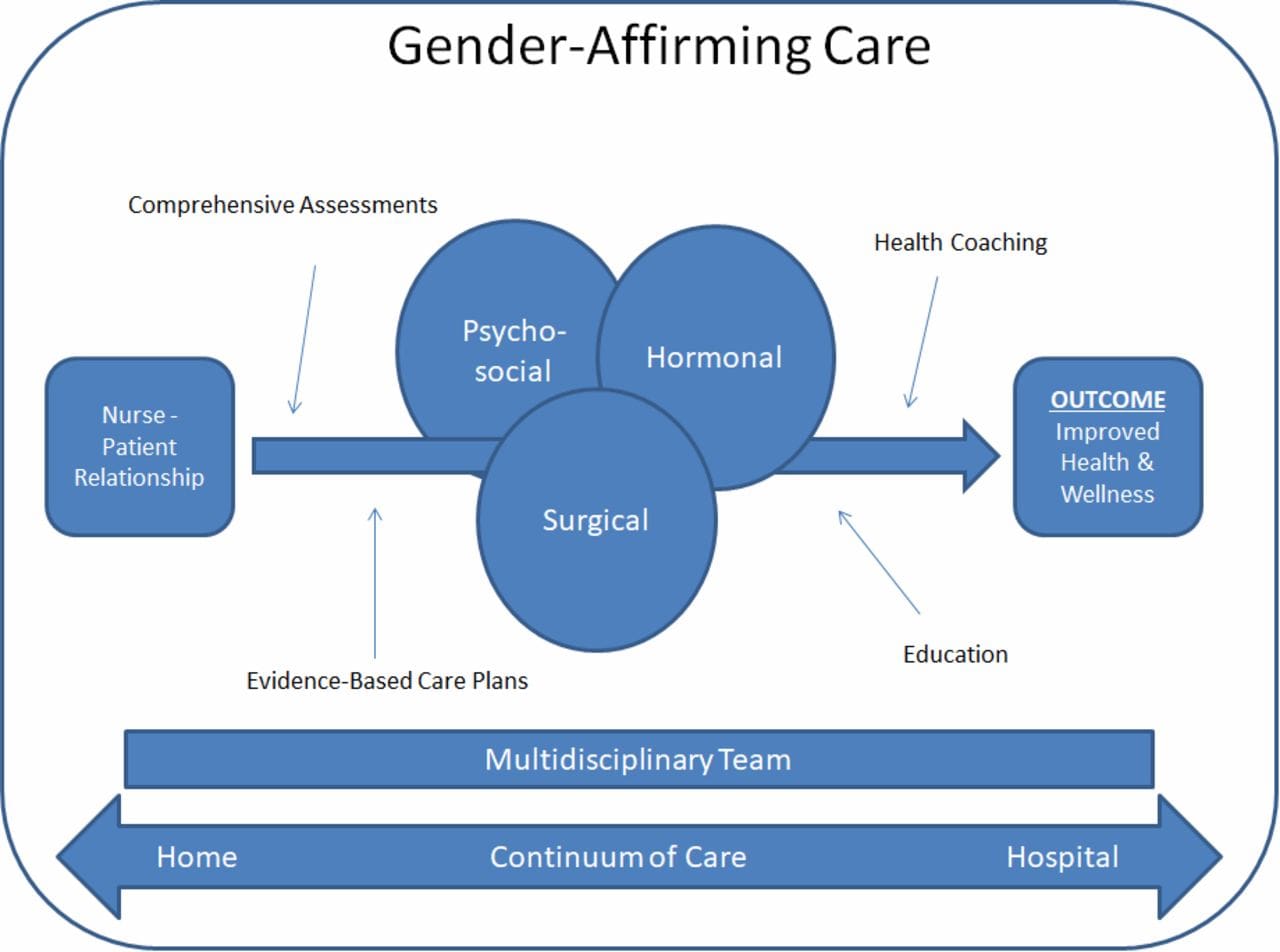
Imagine a student who uses they/them pronouns being misgendered by a professor in front of the class. The sting of that moment lingers long after the lecture ends. Now imagine the same student walking into a counseling session where their identity is affirmed without question. The difference isn’t just emotional—it’s transformative. Affirming care for nonbinary students means advocating for gender-neutral facilities, training staff on nonbinary inclusivity, and ensuring that healthcare providers understand the nuances of gender-affirming care beyond just transition-related needs.
But here’s the deeper truth: nonbinary students aren’t just asking for accommodation. They’re asking for recognition. They’re asking for a world that doesn’t treat their existence as an afterthought. Affirming care meets them there—not with pity, but with respect. It’s the difference between a policy that says “We tolerate nonbinary students” and one that says “We celebrate them.”

Mental Health in the Margins: Tailoring Care to Queer Realities
Mental health crises among LGBTQ+ youth aren’t just statistics—they’re cries for help that often go unanswered. The Trevor Project’s 2023 National Survey on LGBTQ Youth Mental Health found that 41% of LGBTQ+ youth seriously considered suicide in the past year. The culprit? A toxic brew of rejection, discrimination, and internalized shame. Affirming mental health care isn’t about slapping a rainbow sticker on a therapist’s door; it’s about creating systems where queer students don’t have to justify their pain or code-switch their identities to be heard.
Affirming therapists understand that LGBTQ+ mental health isn’t just about treating depression or anxiety—it’s about unpacking the layers of trauma that come from living in a world that wasn’t built for you. It’s about validating the grief of losing chosen family, the exhaustion of constantly educating others, and the relief of finally being seen. For many queer students, therapy becomes a sanctuary—a place where they can explore their identity without fear of backlash.
But access remains a barrier. Rural areas, underfunded schools, and even progressive campuses often lack LGBTQ+-competent mental health professionals. Affirming care bridges this gap by training providers, offering telehealth options, and integrating queer-affirming practices into existing systems. It’s not just about fixing what’s broken; it’s about building something new—one where mental health care isn’t a privilege, but a right.
Building Bridges: How Allies Can Foster Affirming Environments
Affirming care isn’t a solo endeavor. It’s a collective responsibility. Allies play a crucial role in creating spaces where LGBTQ+ students can thrive—not just survive. But allyship isn’t about grand gestures; it’s about the small, consistent actions that chip away at systemic barriers.
Start with education. Allies should familiarize themselves with LGBTQ+ terminology, histories, and challenges. They should challenge homophobic and transphobic jokes, even when no one’s around to hear them. They should advocate for inclusive policies, from gender-neutral housing to queer-inclusive sex education. And perhaps most importantly, they should listen—truly listen—when LGBTQ+ students share their experiences.
The power of an ally isn’t in their words, but in their willingness to amplify voices that have been drowned out for too long. It’s in their courage to speak up when others stay silent. And it’s in their commitment to growth, even when it means confronting their own biases.
But here’s the catch: allyship isn’t performative. It’s not about wearing a pride pin once a year or posting a rainbow-filtered profile picture. It’s about showing up, day after day, in ways that matter. It’s about recognizing that LGBTQ+ students aren’t just “issues” to be managed—they’re individuals deserving of dignity, respect, and unconditional support.
The Ripple Effect: How Affirming Care Transforms Campuses and Communities
When a campus commits to affirming care, the impact ripples outward. LGBTQ+ students who feel seen and supported are more likely to excel academically, form meaningful connections, and become advocates themselves. They’re more likely to stay in school, graduate, and pursue careers where they can continue breaking barriers. Affirming care doesn’t just change lives—it changes futures.
Consider the student who, for the first time, feels safe coming out to their roommate. Or the one who finds solace in a queer student organization. Or the one who, after years of hiding, finally embraces their identity without fear. These aren’t just personal victories; they’re proof that affirming care works. It doesn’t just heal wounds—it prevents them.
But the benefits extend beyond the individual. Affirming campuses foster innovation, creativity, and a culture of inclusivity that benefits everyone. When queer students thrive, the entire community thrives. When policies prioritize well-being, morale improves. When identities are celebrated, the fabric of the institution becomes stronger, more vibrant, and more resilient.

The journey toward affirming care isn’t linear. It’s messy, complicated, and often frustrating. But it’s also necessary. For LGBTQ+ students, well-being isn’t a luxury—it’s a lifeline. And it’s up to all of us to ensure that no student has to navigate their identity alone.
In the end, affirming care isn’t just about making spaces safer. It’s about making them whole. It’s about recognizing that every student, regardless of their identity, deserves to walk into a classroom, a counseling session, or a community center and feel not just accepted, but celebrated. That’s the promise of affirming care—and it’s a promise worth keeping.
Leave a comment