


Have you ever walked into a room and instantly felt like you were wrapped in a warm, invisible hug—not because someone physically embraced you, but because their presence alone made you feel seen, understood, and valued? That, dear reader, is the alchemy of empathy in action, a power skill that transforms ordinary interactions into extraordinary connections. In the realm of healthcare, where emotions run as deep as the stakes are high, mastering bedside manner isn’t just about professionalism; it’s about wielding empathy like a finely tuned instrument, capable of soothing fears, easing burdens, and even accelerating healing. But here’s the playful yet poignant challenge: what happens when the very tool meant to bridge gaps—empathy—becomes a double-edged sword, leaving you emotionally drained or, worse, misaligned with the needs of those you’re trying to help?
Welcome to the art of bedside manner, where empathy isn’t just a buzzword but a power skill—a dynamic blend of intuition, emotional intelligence, and deliberate action. Whether you’re a seasoned healthcare professional or someone navigating the delicate dance of supporting a loved one, the ability to cultivate empathy can turn routine encounters into transformative experiences. So, let’s embark on this journey together, exploring the nuances of empathy as a power skill, the pitfalls to avoid, and the strategies to harness its full potential. Ready to dive in?
The Alchemy of Empathy: More Than Just Feeling
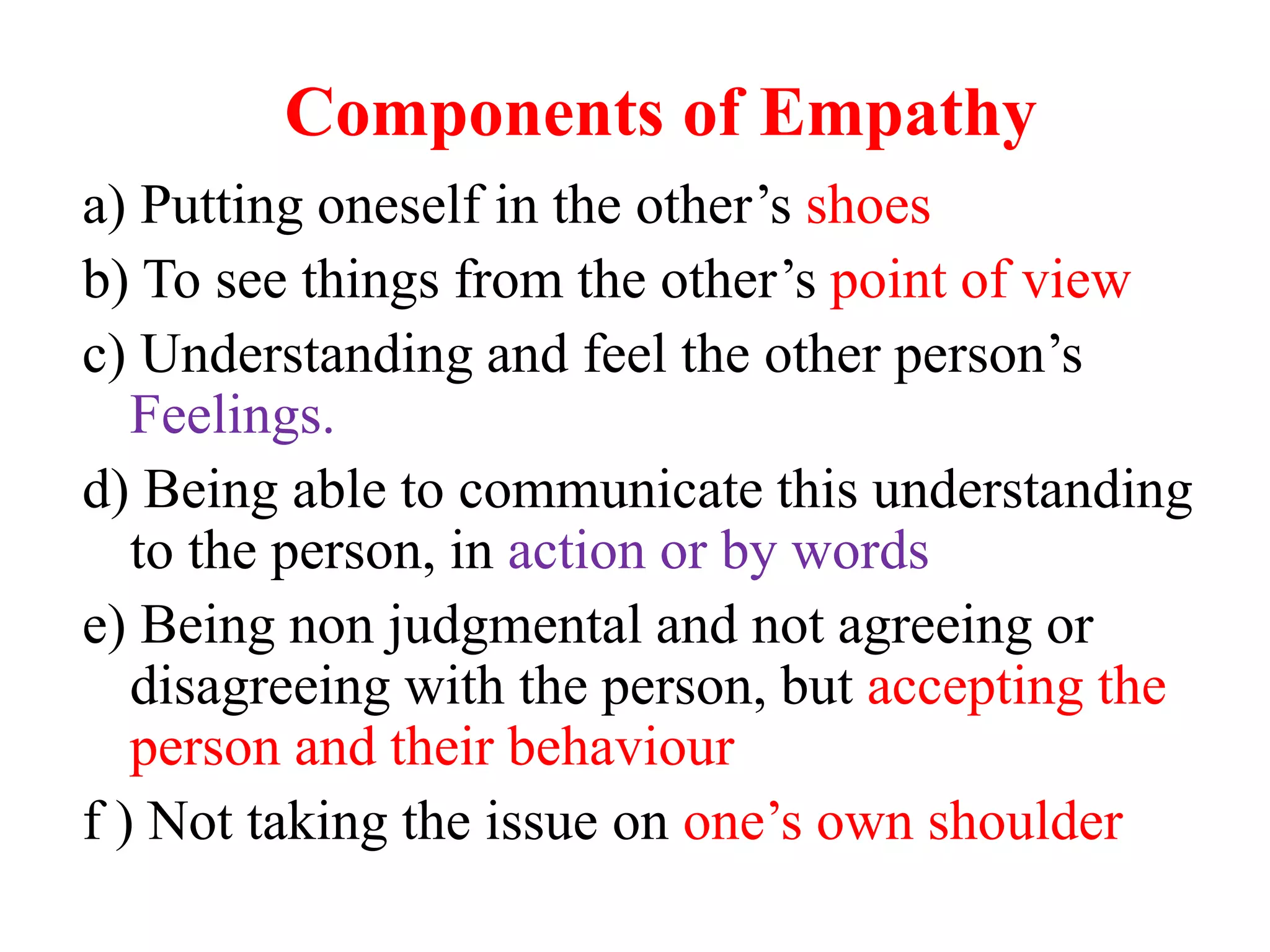
Empathy isn’t merely about feeling what others feel; it’s about translating those feelings into actions that resonate. Imagine empathy as a bridge—one that connects two shores: your understanding of another’s emotions and your ability to respond in a way that validates their experience. This bridge, however, isn’t built on passive observation. It requires active engagement: listening without interrupting, observing body language, and asking questions that dig deeper than surface-level pleasantries. For instance, instead of a generic “How are you feeling today?” try, “What’s been the most challenging part of your day so far?” The latter invites vulnerability, while the former often invites a polite but hollow reply.
But here’s where the magic—and the challenge—lies. Empathy can feel like a superpower until it becomes a vortex, pulling you into the emotional whirlpool of others. Healthcare professionals, in particular, often grapple with compassion fatigue, a state where the constant immersion in others’ pain leads to emotional exhaustion. The key? Balancing empathy with emotional boundaries. Think of it as wearing an emotional raincoat—you step into the storm with someone, but you don’t let the rain soak through to your core. This balance ensures you remain a source of support without losing yourself in the process.
The Language of Empathy: Words That Heal
Words are the currency of empathy, but not all words carry the same weight. The language you choose can either fortify a connection or erect an invisible wall. Consider the difference between saying, “I understand how you feel,” and “Tell me more about what this feels like for you.” The first statement, while well-intentioned, can feel dismissive if the other person senses you’re making assumptions. The second, however, opens a door—an invitation to share without judgment.
Empathetic language also thrives on specificity. Instead of vague reassurances like “Everything will be okay,” try, “I’m here with you, and we’ll figure this out together.” This approach acknowledges the uncertainty while reinforcing your presence as a steady anchor. Another powerful technique is reflective listening, where you mirror back what you’ve heard to ensure you’ve truly understood. For example, “It sounds like you’re feeling overwhelmed by the uncertainty of your diagnosis. Is that right?” This not only clarifies your understanding but also shows the other person that their emotions are being heard, not just acknowledged.
Of course, empathy in language isn’t just about what you say—it’s also about what you don’t say. Avoid minimizing someone’s feelings with phrases like “It could be worse” or “At least you have…” These statements, though often well-meaning, can invalidate the depth of their experience. Instead, let silence speak when words fail. Sometimes, the most empathetic response is simply sitting with someone in their discomfort, offering your presence as a silent testament to their strength.

The Body Speaks: Nonverbal Empathy in Action
If words are the currency of empathy, then body language is its silent ambassador. In healthcare, where touch and proximity are often inevitable, nonverbal cues can either amplify your empathy or inadvertently shut it down. Maintaining eye contact, for instance, signals attentiveness and respect, but it’s not just about staring intently. It’s about matching the rhythm of your gaze to the other person’s comfort level—sometimes a fleeting glance is more reassuring than a fixed stare.
Posture plays a crucial role as well. Leaning slightly forward, uncrossing your arms, and nodding occasionally all convey openness and engagement. But beware of overdoing it. Forced or exaggerated gestures can come across as insincere or even manipulative. The goal is to appear present, not performative. Imagine you’re a detective, observing every subtle shift in the other person’s demeanor—a clenched jaw, averted eyes, or fidgeting hands—all of which can reveal unspoken emotions. Your body’s response to these cues should be instinctive yet deliberate: a gentle touch on the arm to offer comfort, or stepping back slightly if the other person seems overwhelmed by proximity.
Touch, when used judiciously, can be one of the most powerful tools in your empathetic arsenal. A hand on a shoulder or a reassuring pat on the back can convey solidarity without words. However, always respect boundaries. Ask for consent before touching, even in seemingly harmless ways. A simple, “Is it okay if I hold your hand?” can make all the difference between a gesture that feels like an invasion and one that feels like a lifeline.
The Empathy Paradox: When Good Intentions Backfire
Here’s the twist in our empathetic tale: sometimes, the very efforts to connect can backfire, leaving both parties feeling more isolated than before. This is the empathy paradox—a phenomenon where the attempt to understand someone’s emotions inadvertently invalidates them. For example, imagine a patient sharing their fear of a medical procedure, only to be met with, “Oh, I went through the same thing last year, and it wasn’t so bad!” While the intention might be to reassure, the response can feel dismissive, as if their unique experience is being reduced to a footnote in a shared story.
Another common pitfall is the rescuer mentality, where you leap into problem-solving mode before fully understanding the other person’s needs. Consider a scenario where a family member vents their frustration about a healthcare system’s inefficiency. If your immediate response is, “Let me call the office and fix this for you,” you might be missing the point. What they may need isn’t a solution but validation: “It sounds incredibly frustrating to navigate this system. I’m here to listen if you want to talk about it.”
The empathy paradox also rears its head when cultural differences come into play. What feels empathetic in one culture—direct eye contact, for instance—might feel intrusive in another. Misreading these cues can lead to unintentional offense. The solution? Cultivate cultural humility, an approach that prioritizes learning from others over assuming you know what’s best for them. Ask open-ended questions about their preferences, and be willing to adapt your behavior based on their responses.

Empathy as a Skill: Practice, Patience, and Persistence
Empathy isn’t an innate trait reserved for the “naturally compassionate”; it’s a skill that can be cultivated with practice, patience, and a willingness to stumble. Start small. In your daily interactions, challenge yourself to listen without interrupting, to ask open-ended questions, and to reflect back what you’ve heard. Over time, these micro-practices will sharpen your empathetic instincts, making them second nature.
One effective exercise is the empathy journal. After a meaningful conversation, jot down your observations: What emotions did the other person express? What body language did you notice? How did your words or actions land? Reviewing these notes can help you identify patterns—both strengths and areas for growth. For healthcare professionals, role-playing scenarios with colleagues can also be invaluable. Practicing responses to tough situations, like delivering bad news or handling a patient’s anger, prepares you to navigate real-life encounters with greater confidence and finesse.
But perhaps the most transformative aspect of empathy as a skill is its ripple effect. When you model empathetic behavior, you inspire others to do the same. Patients become more open, colleagues feel more supported, and even family members learn to communicate with greater understanding. Empathy, in this way, becomes a legacy—a gift that keeps on giving long after the initial interaction has ended.
The Empathetic Encore: Leaving a Lasting Impression
As our exploration of empathy as a power skill draws to a close, let’s circle back to where we began: the idea of empathy as a bridge. But now, let’s expand that metaphor. Imagine this bridge isn’t just a static structure but a living, breathing entity—one that grows stronger with each use, its planks polished by shared experiences, its cables woven from trust and mutual respect. The goal isn’t just to cross the bridge but to leave it in a state that invites others to follow, to know they’ll be met with the same empathy they’ve given.
In healthcare, where the stakes are often life and death, empathy isn’t a luxury; it’s a necessity. It’s the difference between a clinical transaction and a healing encounter. But empathy’s power extends far beyond hospital walls. In our personal lives, it transforms relationships, turning conflicts into collaborations and strangers into allies. In our professional lives, it elevates teams, fosters innovation, and creates environments where people feel valued and understood.
So, the next time you find yourself in a situation where empathy is called for, pause for a moment. Ask yourself: Am I truly listening, or am I just waiting for my turn to speak? Am I responding from a place of genuine understanding, or am I defaulting to clichés? And perhaps most importantly, am I leaving this interaction better than I found it?
Empathy, after all, isn’t just a power skill—it’s a superpower. And like all superpowers, it’s most effective when wielded with intention, humility, and an unwavering commitment to the well-being of others. Now, go forth and build those bridges. The world needs more of them.
Leave a comment