


In a world that rewards speed over depth, consistency over spontaneity, and execution over intention, the ability to build a daily execution habit is the ultimate differentiator. Whether you’re an entrepreneur, a creative, or someone simply trying to reclaim control over your time, the difference between those who dream and those who do often comes down to one thing: the discipline of daily action.
But let’s be clear—this isn’t about grinding yourself into exhaustion or forcing a rigid routine that feels more like punishment than progress. A daily execution habit is about creating a sustainable system where action becomes second nature, where momentum builds effortlessly, and where small, consistent steps compound into extraordinary results over time.
Below, we’ll explore the key types of content that will guide you in building this habit, the psychological and practical frameworks that make it stick, and the mindset shifts required to turn execution from a chore into a lifestyle.
—
The Science Behind Daily Execution: Why Consistency Beats Intensity
Before diving into tactics, it’s crucial to understand the psychology of habit formation. Research from habit formation experts like James Clear (author of Atomic Habits) and BJ Fogg (creator of the Tiny Habits method) reveals that consistency trumps intensity when it comes to long-term success.
Our brains are wired to seek efficiency. When you repeat an action enough times, it shifts from conscious effort (requiring willpower) to automatic behavior (requiring little to no mental energy). This is the power of the habit loop—cue, routine, reward—which transforms execution from a struggle into a reflex.
But here’s the catch: intensity often feels more rewarding in the short term. A 10-hour work sprint might feel productive, but without consistency, it’s like sprinting in place—you’re moving fast, but you’re not going anywhere. Daily execution, on the other hand, is the tortoise to intensity’s hare. It’s slow, steady, and—when done right—unstoppable.
—
Content Types to Fuel Your Daily Execution Habit
Not all content is created equal when it comes to building a daily execution habit. Some types of content will inspire you, others will educate you, and a select few will actually train you to execute consistently. Here’s a breakdown of the most effective content types to integrate into your routine:
1. Micro-Lessons: The Power of Bite-Sized Execution
In a world of information overload, micro-lessons are your secret weapon. These are short, actionable insights—often under 5 minutes—that teach you a single principle or technique you can apply immediately. Think of them as the “one-minute rule” for habit formation.
For example, a micro-lesson might be: “Before you check your email, spend 60 seconds writing down your top three priorities for the day.” This tiny action primes your brain for execution and reduces decision fatigue.
Where to find micro-lessons:
– Newsletters like Morning Brew or Tiny Habits by BJ Fogg.
– Social media threads on LinkedIn or Twitter (e.g., threads by productivity experts).
– Podcast clips (e.g., 5-minute highlights from The Tim Ferriss Show).
The key is to consume these lessons not as passive information but as triggers for action. After reading or listening, ask yourself: What’s one thing I can do right now based on this?
—
2. Execution Frameworks: The Scaffolding for Consistency
Frameworks are the blueprints of habit formation. They provide structure, reduce friction, and make execution feel less like a chore and more like a game. Unlike generic advice (“just do it”), frameworks give you a repeatable system to follow.
Some of the most effective execution frameworks include:
- The 2-Minute Rule (from Atomic Habits): If a task takes less than two minutes, do it immediately. This builds momentum and trains your brain to act rather than procrastinate.
- Habit Stacking: Attach a new habit to an existing one. For example, “After I brush my teeth, I will write one sentence in my journal.”
- The Eisenhower Matrix: Prioritize tasks based on urgency and importance to focus on what truly moves the needle.
- Time Blocking: Schedule execution time in your calendar like a non-negotiable meeting with yourself.
Where to find execution frameworks:
– Books: Atomic Habits by James Clear, Deep Work by Cal Newport.
– Courses: Coursera’s “Learning How to Learn” or HubSpot’s “Habit Formation for Professionals.”
– Templates: Notion or Trello templates for habit tracking (e.g., the “Don’t Break the Chain” method).
The magic of frameworks is that they remove the guesswork. Once you internalize one, execution becomes a matter of following the steps—not debating whether to start.
—
3. Accountability Content: The Mirror That Keeps You Honest
Accountability is the glue that holds execution habits together. Without it, even the best-laid plans can crumble under the weight of procrastination or self-doubt. Accountability content comes in many forms, but its core purpose is the same: to keep you on track when motivation wanes.
Types of accountability content:
- Progress Trackers: Visual tools like habit trackers (e.g., a calendar where you mark an “X” for each day you execute). The streak becomes a motivator in itself.
- Community Challenges: Groups or forums where people share their daily execution streaks (e.g., Reddit’s r/theXeffect or Discord habit-building groups).
- Public Commitments: Announcing your goals on social media or to a friend forces you to follow through to avoid embarrassment.
- Coaching or Mentorship: Working with a coach or mentor provides external pressure and guidance to stay consistent.
Where to find accountability content:
– Apps: Habitica (gamifies habit tracking), Streaks (iOS), or HabitBull (Android).
– Social Platforms: Facebook groups like “30-Day Challenge” or Instagram hashtags like #100Daysof[YourHabit].
– Masterminds: Paid groups where members hold each other accountable (e.g., via Zoom check-ins).
The psychology here is simple: humans hate breaking streaks. When you see a chain of “X”s on your calendar or a public commitment hanging over your head, execution becomes a matter of pride—not just discipline.
—
Mindset Shifts: From “I Should” to “I Execute”
No habit system works without the right mindset. The language you use, the stories you tell yourself, and the identity you adopt all play a role in whether your daily execution habit sticks. Here are the mindset shifts that separate those who execute from those who merely intend to:
1. From “I Have To” to “I Choose To”
Language shapes reality. When you say, “I have to exercise,” it feels like a burden. When you say, “I choose to exercise because it makes me feel strong,” it becomes an act of self-respect. This subtle shift turns execution from a chore into a privilege.
2. From “All or Nothing” to “Progress Over Perfection”
The “all or nothing” mindset is the enemy of daily execution. Missing one day doesn’t mean failure—it means you’re human. The key is to focus on the trend, not the single data point. Did you execute 80% of the time this month? That’s a win. Did you execute 100%? Even better. But the moment you label a missed day as “failure,” you risk derailing the entire habit.
3. From “I’m Not Ready” to “I’m Ready Now”
Excuses like “I’ll start when I have more time” or “I need to learn more first” are just procrastination in disguise. The truth is, you’ll never feel 100% ready. Execution is the best teacher. Start before you’re ready, and the readiness will follow.
—
Putting It All Together: Your Daily Execution Blueprint
Building a daily execution habit isn’t about grand gestures or overnight transformations. It’s about stacking small, intentional actions into a system that compounds over time. Here’s a step-by-step blueprint to get you started:
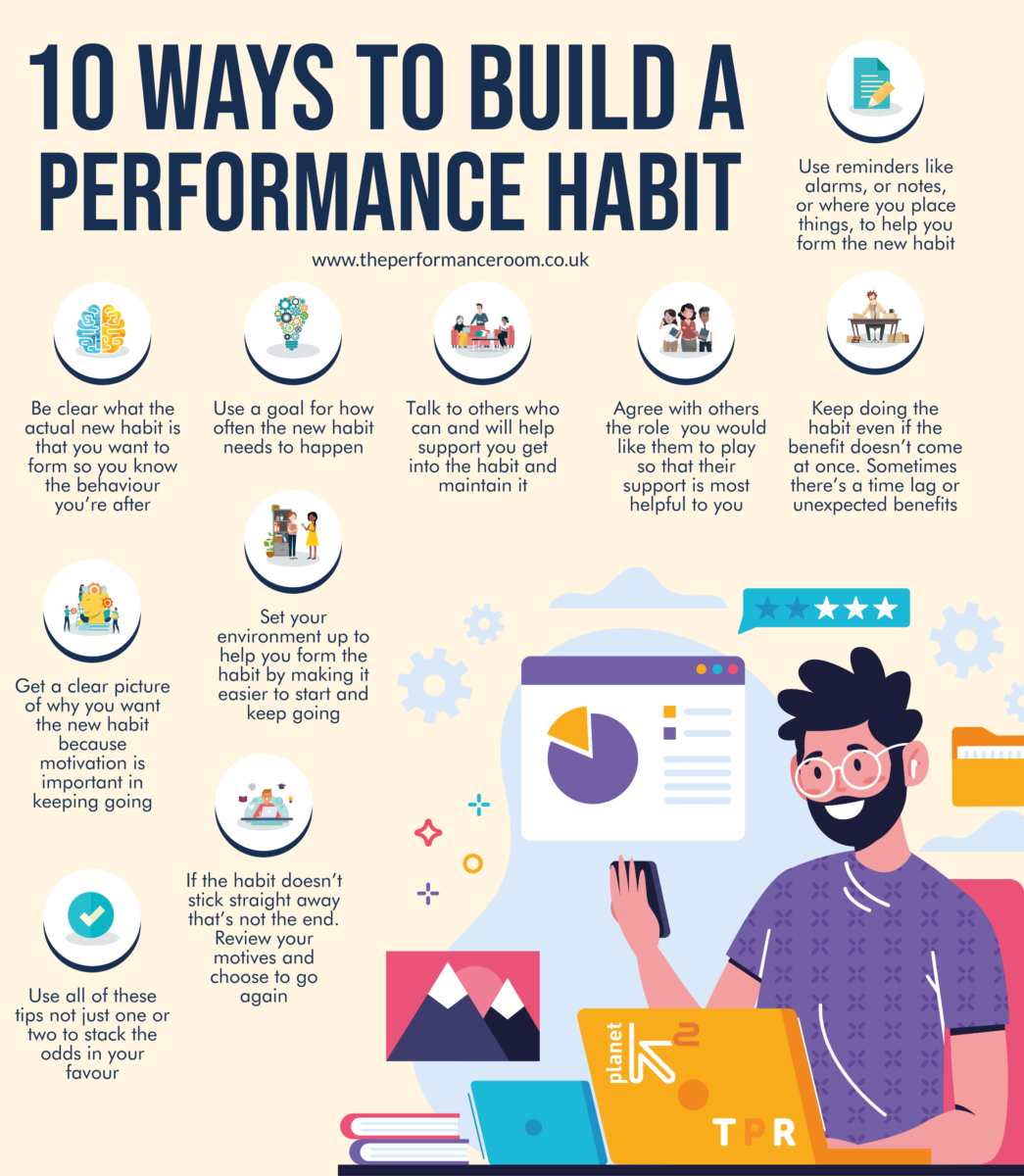
- Start Tiny: Choose a habit so easy you can’t say no (e.g., “I’ll write one sentence in my journal” or “I’ll do 5 push-ups”).
- Anchor It: Attach it to an existing habit (e.g., “After I pour my coffee, I’ll write one sentence”).
- Track It: Use a habit tracker to visualize your progress and create a streak.
- Account for It: Share your commitment with someone or join a challenge group to add external pressure.
- Review and Adjust: At the end of each week, ask: What worked? What didn’t? How can I make it easier next week?
- Scale Up: Once the habit feels automatic, increase the difficulty slightly (e.g., from 5 push-ups to 10).
Remember, the goal isn’t perfection—it’s progress. The first few days might feel awkward, the first few weeks might feel tedious, but over time, daily execution will become as natural as breathing. And when that happens, you’ll realize that the habit wasn’t the destination—it was the vehicle that took you further than you ever imagined.
So start today. Not tomorrow. Not when you’re “ready.” Today. Because the best time to build a daily execution habit was yesterday. The second-best time is now.
Leave a comment