


What if the real secret to crushing your goals isn’t working harder—but working *healthier*? Most productivity systems treat your body like a machine: fuel it with caffeine, push it to the limit, and hope it doesn’t overheat. But what if your brain and body are more like a high-performance sports car? You wouldn’t rev it to redline without oil changes, fresh tires, and a pit crew monitoring its vitals. So why do we treat our most valuable asset—our health—like an afterthought in the pursuit of productivity?
Building a health-first productivity system isn’t about adding another app to your phone or another book to your shelf. It’s about redesigning your entire workflow around the one thing that makes everything else possible: your well-being. Let’s break down how to do it—without sacrificing results or burning out.
Why Most Productivity Systems Are Missing the Point (And Your Health)
Traditional productivity advice is built on a flawed assumption: that output is directly proportional to effort. Work more hours, check more boxes, and success will follow. But this ignores a critical variable—your health. Chronic stress, poor sleep, and sedentary habits don’t just slow you down; they rewire your brain to be less efficient, less creative, and more prone to burnout.
Consider this: A study by Stanford University found that sleep deprivation can impair cognitive performance as much as being drunk. Yet how many of us treat a 5-hour night as a badge of honor? Or ignore the 3 PM slump because “that’s just how work is”? The truth is, productivity isn’t about doing more—it’s about doing *better*, and your health is the foundation of that.

So, what’s the alternative? A productivity system that treats your health not as a side note, but as the operating system your entire workflow runs on. This means designing habits, environments, and routines that keep you energized, focused, and resilient—not just busy.
The Three Pillars of a Health-First Productivity System
To build a system that works for you—not against you—you need to focus on three core pillars: Energy, Focus, and Recovery. Each pillar supports the others, creating a flywheel effect where small improvements compound over time.
1. Energy: The Fuel That Powers Your Productivity
Energy isn’t infinite, and it’s not just about coffee. It’s about how you nourish, move, and rest your body to sustain high performance. Start with the basics:
- Nutrition: Ditch the idea that “any calories are fine” when deadlines loom. Your brain runs on glucose, and poor food choices lead to energy crashes. Prioritize protein, healthy fats, and complex carbs to stabilize blood sugar. Think eggs for breakfast, nuts for snacks, and salmon for lunch—not sugar-laden pastries that promise a quick boost.
- Hydration: Even mild dehydration can reduce cognitive function by up to 20%. Keep a water bottle at your desk and set reminders to sip throughout the day. Pro tip: Add electrolytes if you’re prone to fatigue.
- Movement: You don’t need a gym membership to move more. Take walking meetings, stretch between tasks, or do a 5-minute desk workout. Movement isn’t a distraction from work—it’s a productivity hack. Studies show it boosts creativity by up to 60%.
Small tweaks here can transform your energy levels from “running on fumes” to “fully charged.”
2. Focus: Designing Your Environment for Deep Work
Focus isn’t a personality trait—it’s a skill you can train, and your environment plays a huge role. The modern workplace is a minefield of distractions: notifications, open offices, and the siren call of “just one more tab.” To reclaim your attention:
- Time Blocking: Schedule deep work sessions in 90-minute blocks (the natural rhythm of human focus). During these blocks, turn off notifications, close unnecessary tabs, and communicate your unavailability. Treat it like a meeting with your most important client—your future self.
- Digital Minimalism: Audit your apps and tools. Do you really need Slack, email, and Twitter open at the same time? Use tools like Freedom or Cold Turkey to block distracting sites during work hours.
- Physical Space: Your workspace should support focus, not sabotage it. If possible, work in natural light, keep your desk clutter-free, and use noise-canceling headphones if needed. Even small changes, like facing away from high-traffic areas, can reduce mental fatigue.
Focus isn’t about willpower—it’s about designing systems that make distraction harder than concentration.
3. Recovery: The Unsung Hero of Sustainable Productivity
You can’t pour from an empty cup, yet most productivity advice ignores recovery entirely. Without it, you’re not just less productive—you’re on a fast track to burnout. Recovery isn’t laziness; it’s strategic recharging. Here’s how to build it in:
- Sleep: Aim for 7-9 hours per night, and protect your sleep like it’s your job. Set a bedtime alarm, keep your bedroom cool and dark, and avoid screens an hour before bed. Poor sleep doesn’t just make you tired—it shrinks your brain’s prefrontal cortex, the part responsible for decision-making.
- Breaks: The Pomodoro Technique (25 minutes of work, 5 minutes of rest) is a start, but don’t stop there. Every 90 minutes, take a 10-15 minute break to walk, stretch, or meditate. These micro-recoveries prevent cognitive overload.
- Mindset: Productivity isn’t about grinding 24/7—it’s about working in cycles. Schedule downtime like you schedule meetings. Block off evenings, weekends, and even “nothing” time on your calendar. Your brain needs space to process ideas and recharge.
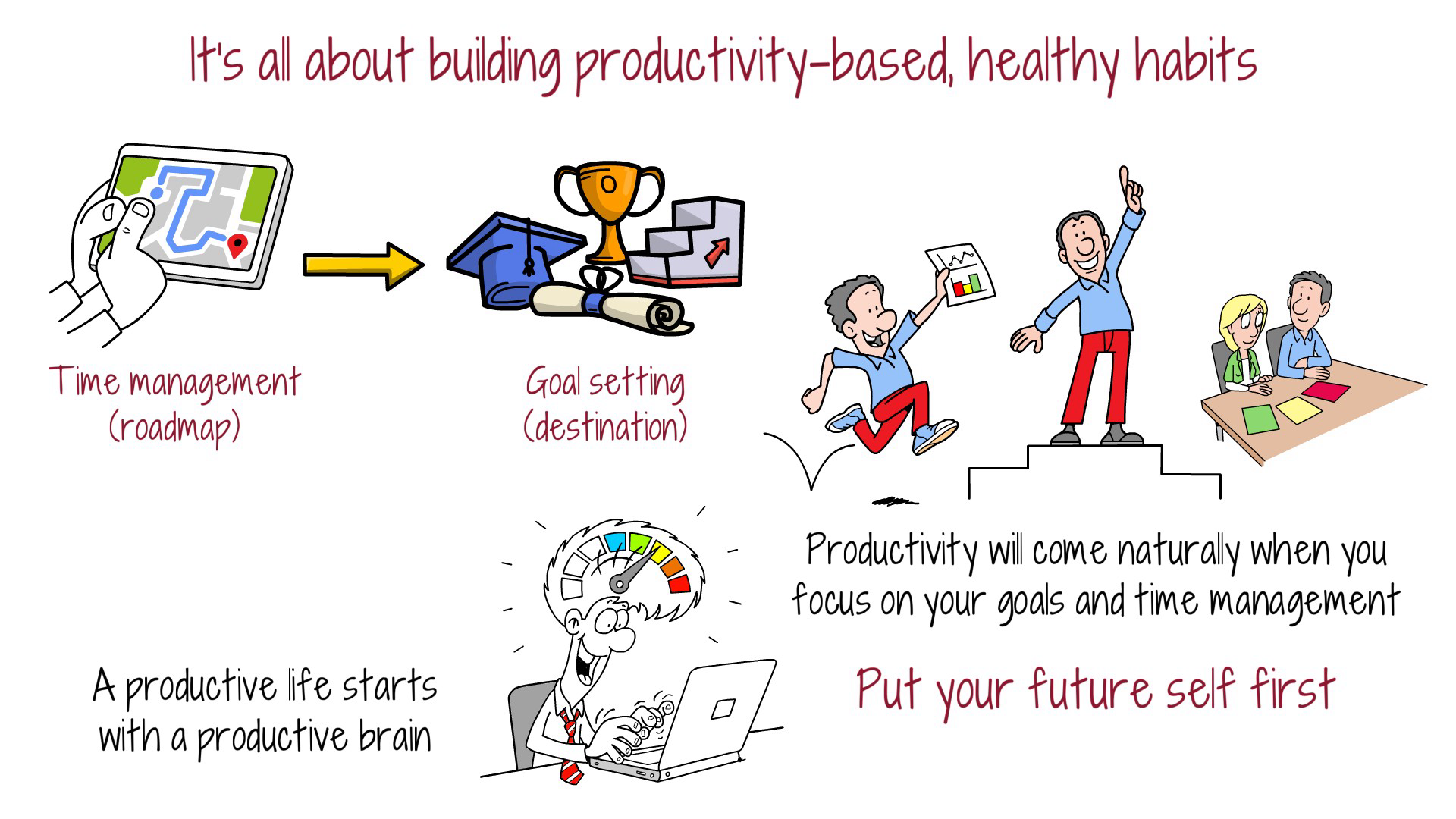
Recovery isn’t a luxury—it’s the foundation of long-term performance.
Putting It All Together: Your Health-First Productivity Routine
Now that you have the pillars, it’s time to build your routine. Start small—pick one habit from each pillar to implement this week. For example:
- Energy: Swap your morning coffee for green tea and a handful of almonds.
- Focus: Block off two 90-minute deep work sessions in your calendar with no exceptions.
- Recovery: Set a bedtime alarm and put your phone in another room 30 minutes before sleep.
Track how you feel for a week. Notice the difference in energy, focus, and resilience. Then, layer in more habits. Maybe you add a 10-minute morning stretch routine or a weekly “no-work” Sunday. The key is consistency, not perfection.
Remember: This isn’t about adding more to your plate. It’s about redesigning your plate so that what you’re already doing—working, creating, achieving—feels easier, more sustainable, and even enjoyable.
The Ripple Effect: How Health Transforms Your Work (and Life)
When you prioritize health, productivity becomes a byproduct—not the goal. You’ll notice:
- Fewer mistakes: A well-rested brain makes fewer errors and catches details you’d otherwise miss.
- More creativity: Movement and downtime spark ideas that hours of forced focus wouldn’t.
- Stronger resilience: When challenges arise, you’ll handle them with clarity instead of panic.
- Better relationships: Energy and focus spill over into your personal life, making you more present and engaged.
Health-first productivity isn’t a shortcut—it’s the long game. It’s about playing the marathon, not the sprint. And in a world that glorifies burnout, that’s a radical act.
So, what’s the first habit you’ll implement this week? The one that will make your future self thank you?
Leave a comment