


Ever feel like your home is conspiring against your productivity? That’s not just you—it’s science. Studies show that cluttered spaces can drain mental energy by up to 40%, while poorly designed layouts can make even the simplest tasks feel like climbing Everest. So, what if your home could work for you instead of against you? What if every corner, color, and corner of your space was engineered to sharpen your focus, spark creativity, and turn procrastination into action? Let’s break down the art and science of designing a home that doesn’t just shelter you—it supercharges you.
The Great Productivity Paradox: Why Your Home Might Be Your Worst Enemy
Imagine this: You’ve set aside a whole afternoon to tackle that work project or finally start writing that novel. You sit down at your desk, ready to conquer the world—only to find your phone buzzing, the laundry pile taunting you from the corner, and your Wi-Fi cutting out for the third time this hour. Sound familiar?
Our homes are supposed to be sanctuaries, but for many of us, they’ve become battlegrounds of distraction. The average person spends 47% of their waking hours in a state of “continuous partial attention,” jumping between tasks like a caffeinated squirrel. The culprit? Poor design choices that prioritize aesthetics over function, comfort over concentration, and convenience over clarity.
So, how do we flip the script? How do we transform our living spaces into productivity powerhouses? The answer lies in intentional design—where every element serves a purpose, and every detail is a deliberate choice.
Zone Like a Pro: The Power of Purposeful Spaces
One of the biggest mistakes people make is treating their home like a one-size-fits-all environment. But here’s the truth: productivity thrives in specificity. A space that’s great for brainstorming might be terrible for deep work, and a room that’s perfect for relaxing could sabotage your focus the moment you try to work there.
Enter the zoning strategy. Think of your home as a series of micro-environments, each tailored to a specific mental state. Here’s how to do it:
The Command Center: Your Dedicated Workspace
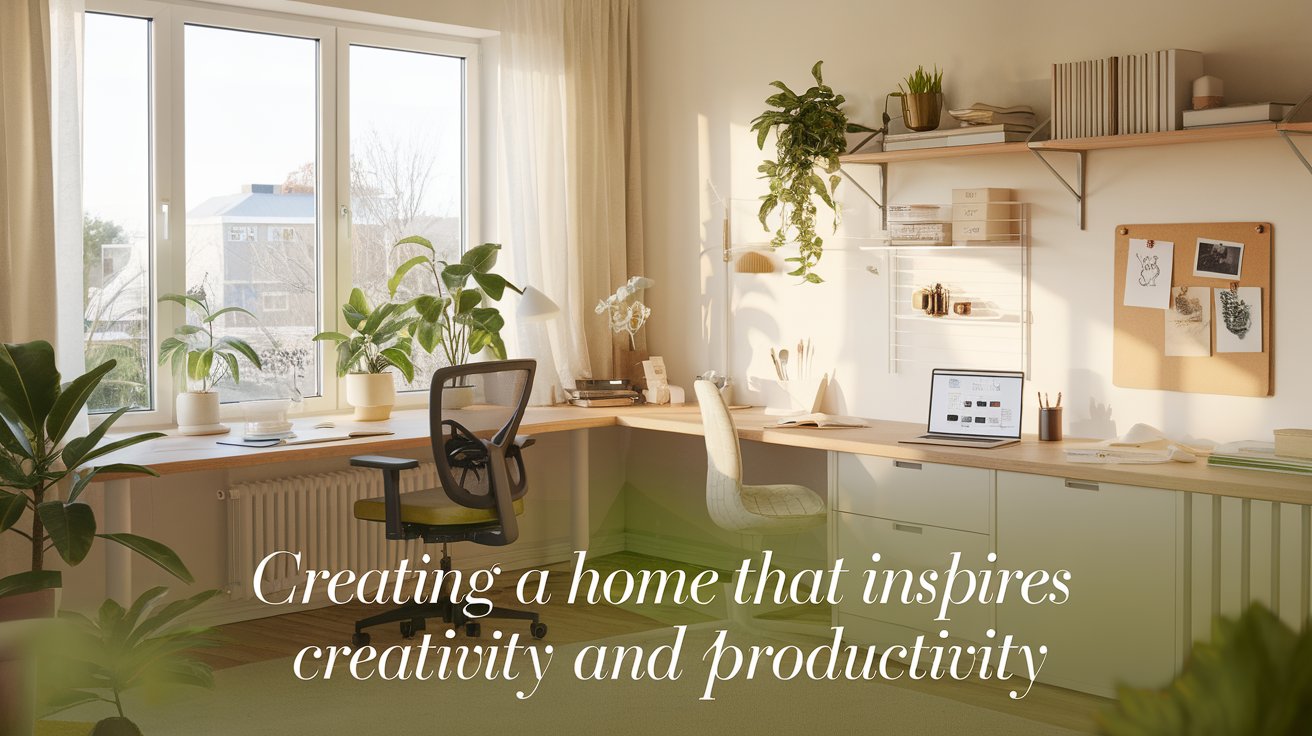
Your desk isn’t just a place to dump your coffee mug—it’s the cockpit of your productivity. The key? Minimalism meets functionality. Start by eliminating anything that isn’t essential. A clutter-free desk reduces cognitive load, allowing your brain to focus on the task at hand. Invest in a chair that supports your posture (your spine will thank you later) and a monitor at eye level to prevent neck strain.

Pro tip: Use the “one-touch rule”—if you pick something up, deal with it immediately. No “I’ll sort this later” piles allowed.
The Creative Lair: Where Ideas Run Wild
Not all work happens at a desk. Sometimes, you need a space that feels more like a playground than an office. This is where your creative lair comes in. Think cozy nooks with soft lighting, inspiring artwork, and surfaces that invite doodling—like a whiteboard wall or a corkboard for pinning ideas.
Studies show that warm, diffused lighting (think lamps instead of harsh overhead lights) can boost creativity by up to 25%. So swap out those fluorescent bulbs for something softer, and watch your ideas flow.
The Reset Zone: Where You Recharge Without Guilt
Here’s the hard truth: You can’t be productive 24/7. Burnout is real, and ignoring it is like trying to drive a car with an empty tank. That’s why every home needs a reset zone—a space dedicated to rest and rejuvenation. This could be a reading chair by the window, a meditation corner with cushions, or even a hammock in the backyard.
The goal? To create a space where you can step away from screens and truly disconnect. When you return to your workspace, you’ll do so with renewed energy and focus.
Lighting: The Invisible Productivity Hack
Lighting isn’t just about making things visible—it’s about setting the mood for your brain. The wrong lighting can make you feel sluggish, while the right lighting can turn a dull afternoon into a hyper-productive sprint.
Here’s what you need to know:
Natural Light: The Ultimate Performance Booster
Sunlight isn’t just good for your mood—it’s a productivity steroid. Exposure to natural light regulates your circadian rhythm, which in turn improves sleep quality, energy levels, and mental clarity. If possible, position your workspace near a window. If that’s not an option, use full-spectrum light bulbs that mimic natural daylight.
Layered Lighting: The Secret Weapon for Focus
Relying on a single overhead light is like trying to paint a masterpiece with a sledgehammer. Instead, use a combination of lighting types to create depth and flexibility:
- Ambient lighting: Soft, general illumination (e.g., floor lamps, wall sconces).
- Task lighting: Direct light for specific activities (e.g., desk lamps, under-cabinet lighting).
- Accent lighting: Decorative lighting to set the mood (e.g., string lights, LED strips).
Pro tip: Use dimmable lights to adjust the brightness based on the time of day and your energy levels. Bright light for deep work, softer light for brainstorming sessions.
Color Psychology: Paint Your Way to Peak Performance
Colors aren’t just decorative—they’re psychological triggers. The right hues can calm your nerves, sharpen your focus, or even spark creativity. So, which colors should you embrace (and which should you avoid) in your productivity-boosting home?
The Power of Blue: Focus and Calm
Blue is the color of trust, stability, and concentration. Studies show that blue environments can increase productivity by up to 15%. Use it in your workspace to keep your mind sharp and your stress levels low. Just avoid overly bright blues, which can feel cold and uninviting.
The Energy of Yellow: Creativity and Optimism
Yellow is the color of joy, energy, and mental clarity. It’s perfect for creative spaces or areas where you need a burst of inspiration. However, use it sparingly—too much yellow can feel overwhelming and even increase anxiety.
The Neutral Ground: Balance with Greens and Grays
Green is the color of balance and renewal, making it ideal for reset zones or spaces where you need to recharge. Grays and beiges, on the other hand, provide a neutral backdrop that won’t distract from your work. Think of them as the “canvas” of your productivity masterpiece.
The Final Frontier: Tech and Tools That Work With You
Technology is a double-edged sword. It can either be your greatest ally or your worst enemy. The key is to use it strategically—so it enhances your productivity instead of hijacking it.
Smart Home, Smarter You
Smart home devices aren’t just about convenience—they’re about eliminating friction. Imagine a home that adjusts the lighting, temperature, and even background noise based on your needs. For example:
- A smart thermostat that keeps your workspace cool and comfortable.
- Smart plugs that turn off non-essential devices when you’re in deep work mode.
- A white noise machine or smart speaker that plays focus-boosting sounds (like rain or café chatter).
The Digital Declutter: Taming the Tech Beast
Your phone, laptop, and tablet are productivity tools—but they’re also attention vampires. To reclaim control:
- Turn off non-essential notifications. Only allow alerts for truly important messages.
- Use app blockers during focused work sessions. Apps like Freedom or Cold Turkey can help.
- Schedule “tech breaks” to check emails and social media, rather than doing it impulsively.
Your Home, Your Productivity Lab
Designing a home that inspires productivity isn’t about chasing trends or spending a fortune. It’s about understanding how your environment shapes your behavior and making intentional choices to support your goals.
So, start small. Pick one zone to optimize, experiment with lighting, or introduce a pop of color. Then, observe how your space affects your focus, energy, and creativity. Over time, you’ll create a home that doesn’t just shelter you—it elevates you.
After all, the best productivity hack isn’t a new app or a productivity guru’s advice. It’s a home that works for you.
Leave a comment