


Life isn’t static. It’s a dynamic force, constantly reshaping itself with each passing year. Yet, so many of us build lives that feel rigid, as if we’ve poured our ambitions into a mold that hardens the moment we step away. We chase promotions, relationships, and milestones, only to realize too late that the life we’ve constructed doesn’t bend with us. It doesn’t scale.
This isn’t just about ambition—it’s about adaptability. The most fulfilling lives aren’t those that reach a peak and plateau; they’re the ones that evolve, stretch, and even contract when necessary, always staying in rhythm with who we are becoming. So how do we build a life that scales with us, rather than against us? The answer lies in rethinking our approach to growth, balance, and self-awareness.
The Illusion of the “Perfect Life” Blueprint
Society loves a good blueprint. We’re told to follow a linear path: graduate, get a job, buy a house, start a family, retire. But life isn’t a flowchart. It’s a living, breathing ecosystem where every decision ripples outward in ways we can’t predict. The problem isn’t that we set goals—it’s that we treat them as immutable.
Consider the person who spends a decade climbing the corporate ladder, only to realize mid-career that their identity was tied to a role they no longer enjoy. Or the couple who marries young, assuming their love will sustain them through every life stage, only to find themselves drifting apart as their priorities shift. These aren’t failures of effort; they’re failures of scalability.
Building a life that scales requires embracing uncertainty. It means designing systems, not just outcomes. Instead of asking, “What do I want to achieve?” ask, “What kind of person do I want to become, and what environment will support that growth?”

The Myth of Work-Life Balance
Work-life balance is a seductive idea—until it isn’t. The term itself implies a separation, as if “work” and “life” are two distinct entities to be juggled. But life doesn’t work that way. Your career is part of your life, your relationships shape your work, and your passions bleed into both. The real challenge isn’t balance; it’s integration.
Scalable living means designing a life where work, relationships, and personal growth aren’t competing forces but complementary ones. It’s about asking: How can my career fuel my relationships? How can my hobbies recharge my professional energy? The answer often lies in flexibility—remote work, flexible hours, or even career pivots that align with your evolving values.
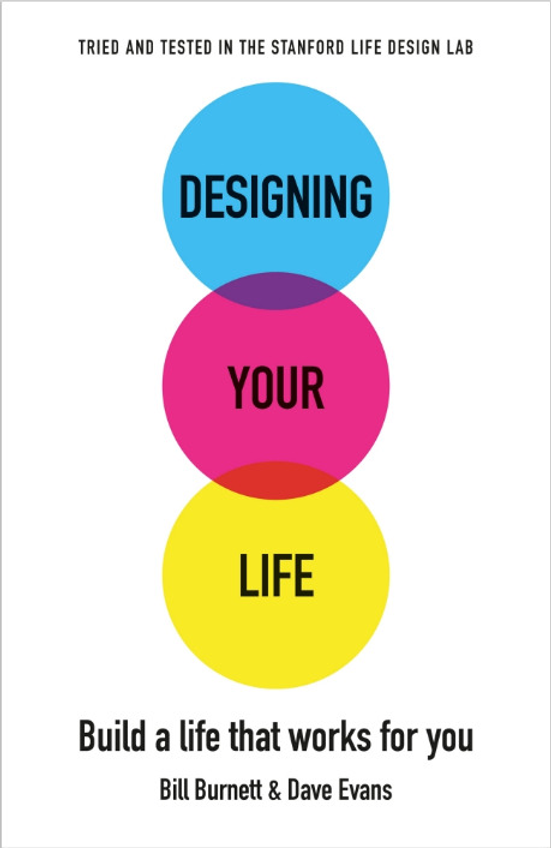
Designing Your Life Like a Startup
In the tech world, startups don’t just build products—they build systems that can pivot, scale, and adapt. Why should your life be any different? The concept of “lifescaling” borrows from this mindset: treat your life like a minimum viable product (MVP) that you continuously test, refine, and improve.
Start by identifying your core values—the non-negotiables that define who you are. Then, build routines and habits around them. If health is a priority, design a lifestyle that makes exercise and nutrition effortless, not an afterthought. If creativity drives you, carve out time for it, even if it means saying no to obligations that drain your energy.
But here’s the key: your MVP isn’t set in stone. As you grow, your systems should too. What worked at 25 might not work at 35. That’s not a failure—it’s evolution.
The Power of Iterative Living
Iteration is the heartbeat of scalability. It’s the process of testing small changes, measuring their impact, and refining your approach. In life, this might look like:
- Quarterly check-ins: Every three months, reassess your goals, habits, and priorities. Are they still aligned with who you are?
- Experiment-driven decisions: Instead of committing to a path for years, try it for a season. Live in a new city, switch careers, or take up a hobby—then evaluate.
- Feedback loops: Surround yourself with people who challenge your assumptions. A mentor, coach, or even a trusted friend can offer perspectives you’d never consider alone.
This isn’t about constant reinvention—it’s about intentional evolution. The goal isn’t to change for the sake of change, but to ensure that your life remains a vessel for your growth, not a cage.
The Role of Mindset in Scalable Living
No system works without the right mindset. Scalable living demands a shift from fixed thinking to growth thinking. It’s the difference between saying, “I’m bad at this” and “I’m not good at this yet.” It’s recognizing that setbacks aren’t failures—they’re data points.
Consider the entrepreneur who pivots their business after a failed product launch. Or the parent who adjusts their parenting style as their child grows. These aren’t signs of weakness; they’re signs of adaptability. The same principle applies to your life. When a relationship ends, a job doesn’t work out, or a dream shifts, it’s not the end of the road—it’s a recalibration.
Embracing the “And” Instead of the “Or”
Society loves binaries: work or family, success or happiness, ambition or contentment. But scalable living thrives in the gray areas. It’s possible to be ambitious and present, to chase success and prioritize well-being. The key is to stop framing choices as either/or and start seeing them as both/and.
For example:
- You can be a high-performing professional and a devoted partner.
- You can pursue financial independence and enjoy life’s simple pleasures.
- You can build a career and leave room for spontaneity.
This mindset shift requires creativity. It means finding synergies where others see trade-offs. It means asking, How can I have both? instead of settling for one.
Practical Steps to Build a Scalable Life
Knowing the theory is one thing; applying it is another. Here’s a step-by-step guide to designing a life that scales with you:
1. Audit Your Current Life
Take stock of your routines, relationships, and commitments. Which ones energize you? Which ones drain you? Which ones feel outdated? Be ruthlessly honest. This isn’t about judgment—it’s about clarity.
2. Define Your Core Values
If you had to describe your ideal life in one sentence, what would it include? Write it down. Then, reverse-engineer it. What habits, relationships, and environments would make that sentence a reality?
3. Build Flexibility Into Your Systems
Scalable living isn’t about having a plan B—it’s about having a plan that is B. For example:
- If you work remotely, choose a location with a strong digital nomad community.
- If you’re in a relationship, discuss how you’ll adapt as your needs change.
- If you’re building a business, diversify your income streams to reduce risk.
4. Schedule Regular “Reset” Periods
Life isn’t meant to be lived at full throttle all the time. Schedule quarterly retreats, digital detoxes, or even just a weekend of solitude to reflect. These pauses aren’t luxuries—they’re maintenance for your soul.
5. Stay Curious
The moment you think you’ve figured it all out is the moment you stop growing. Stay open to new experiences, ideas, and perspectives. The more you learn, the more adaptable you become.
The Deep Reason We’re Fascinated by Scalable Living
At its core, the desire to build a life that scales is about control—or rather, the illusion of control. We’re terrified of being trapped in lives that no longer fit, of waking up one day and realizing we’ve outgrown everything we’ve built. But scalable living isn’t about control; it’s about trust. Trust in your ability to adapt, to learn, and to reinvent.
It’s also about legacy. The lives we build aren’t just for us—they’re for the people we’ll become. A scalable life ensures that the person you are at 50 is just as vibrant, just as curious, and just as full of potential as the person you were at 25. It’s a promise to your future self that you won’t be left behind by your own choices.
So start small. Make one change this week. Reassess one habit. Ask one hard question. The life you’re building doesn’t need to be perfect—it just needs to be ready for whatever comes next.
Leave a comment