


Chaos is not the enemy—it is the uninvited guest that overstays its welcome. In the intricate dance of systems, whether digital, organizational, or personal, chaos is the friction that grinds progress to a halt. But what if chaos could be not just managed, but systematically dismantled? What if we could architect resilience so meticulously that disorder becomes a relic of the past? Building a system that eliminates chaos isn’t about suppressing unpredictability; it’s about designing a framework where chaos is absorbed, redirected, and ultimately neutralized. This is the art of anti-fragile architecture—a philosophy where systems don’t just survive disorder but thrive because of it.
The Illusion of Control: Why Chaos Always Wins
We love to believe we’re in control. Spreadsheets, Gantt charts, and five-year plans give us the comforting illusion that we can predict and dictate outcomes. Yet, reality has a way of humbling even the most meticulous planners. A single server crash, a misplaced comma in a line of code, or a global supply chain disruption can unravel months of preparation in minutes. Chaos thrives in the gaps between our assumptions and reality.
Consider the metaphor of a house of cards. Each card represents a carefully placed assumption—market stability, reliable suppliers, flawless execution. One gust of wind, and the entire structure collapses. The problem isn’t the wind; it’s the fragility of the cards. True resilience isn’t about building a sturdier house of cards; it’s about designing a system where the wind becomes irrelevant—or better yet, where the wind itself reinforces the structure.
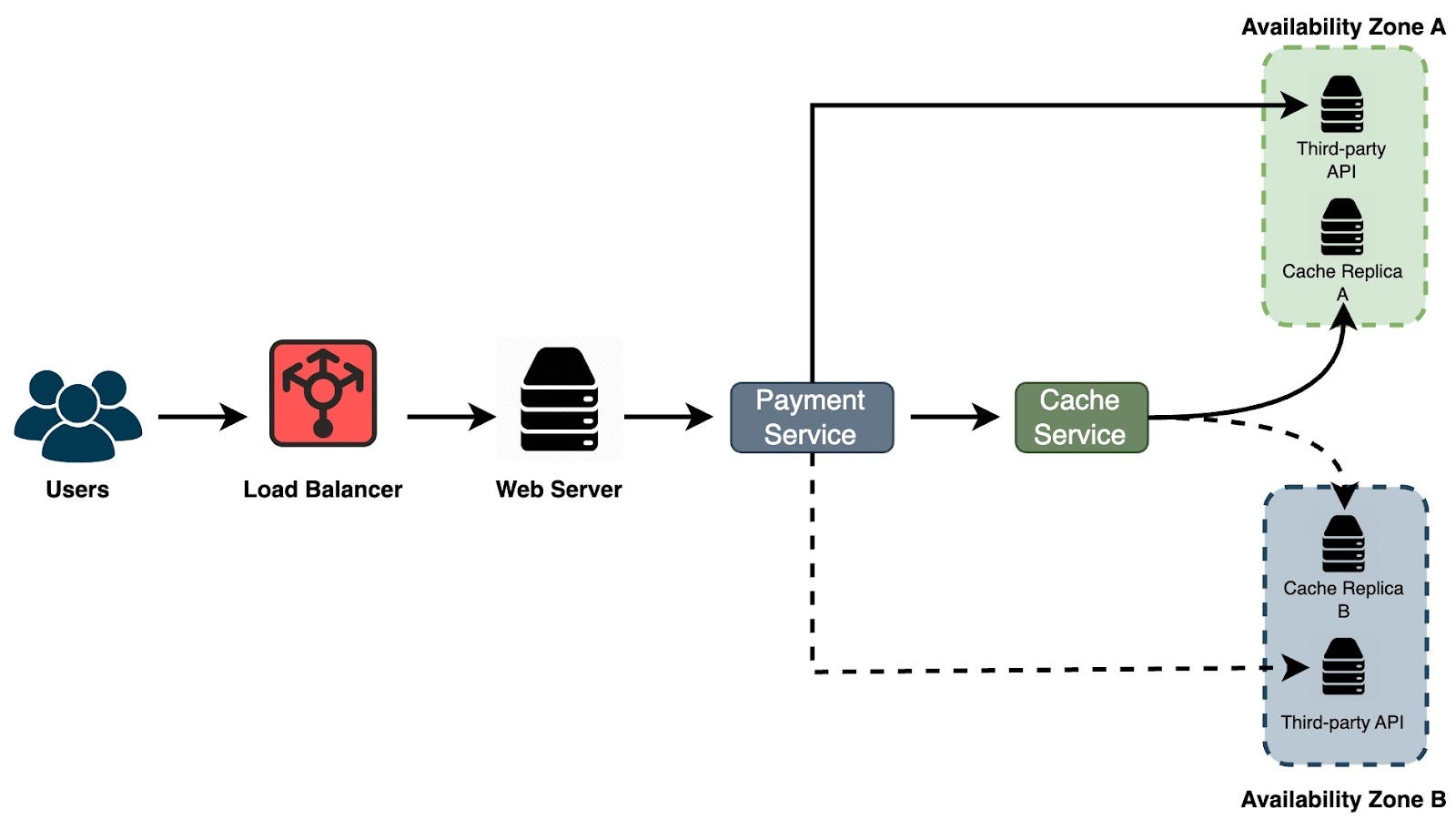
This is where the concept of redundancy enters the conversation. Not the mindless duplication of resources, but the strategic layering of safeguards that absorb shocks without breaking stride. A well-designed system doesn’t just tolerate chaos—it depends on it to reveal its own weaknesses, allowing for continuous refinement.
Designing for Absorption: The Art of the Buffer
Imagine a river carving through a valley. Over time, the water doesn’t just flow—it shapes the landscape, eroding weak points and reinforcing strong ones. A system that eliminates chaos works similarly: it doesn’t resist disorder; it uses it to carve a more resilient path. The key lies in buffers—not as static walls, but as dynamic, adaptive layers that absorb and dissipate energy.
In software, this might mean circuit breakers that prevent cascading failures by isolating faults before they spread. In logistics, it could be just-in-case inventory that acts as a shock absorber against supply chain disruptions. Even in human systems, buffers take the form of slack time—those unplanned hours in a project schedule that allow teams to recover from unexpected delays without derailing the entire timeline.
But buffers alone aren’t enough. They must be self-healing. Think of a coral reef, where each organism contributes to a larger structure that repairs itself after storms. A resilient system does the same: when a component fails, the surrounding architecture reconfigures to maintain function. This requires modularity—the ability to isolate and replace parts without bringing the whole system down.
Consider the human body. When you cut your hand, the immune system doesn’t shut down the entire body to deal with the injury. Instead, it isolates the wound, sends reinforcements, and repairs the damage while the rest of the system continues operating. This is the gold standard for system design: localized resilience with global stability.

The Feedback Loop: Turning Chaos into Fuel
Chaos isn’t just something to survive—it’s a signal. Every disruption, every failure, every unexpected variable is a piece of data that reveals where a system is weak. The most resilient systems don’t just absorb chaos; they learn from it. This is the essence of a feedback loop—a continuous cycle of detection, analysis, and adaptation.
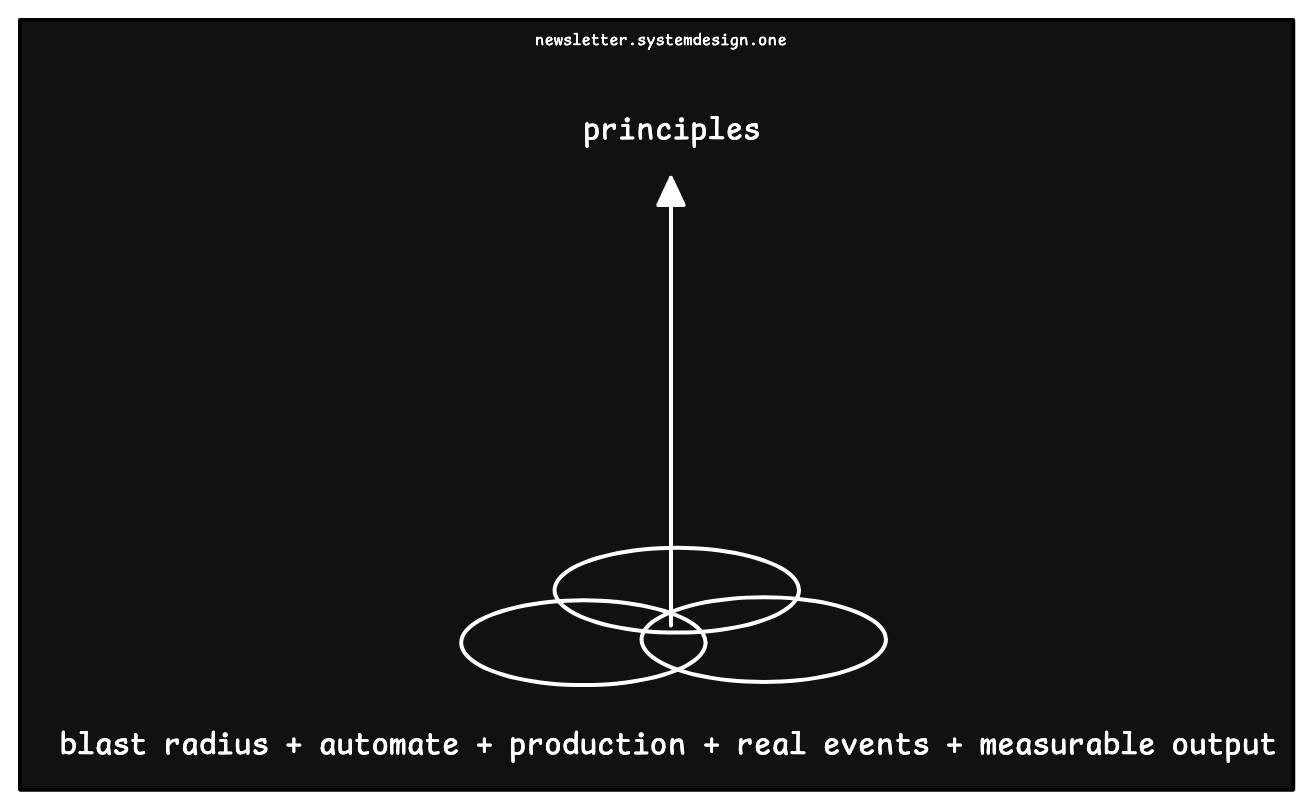
In engineering, this is often called chaos engineering, a practice popularized by companies like Netflix, which intentionally injects failures into its systems to test their resilience. By simulating outages, latency spikes, and other chaos-inducing events, teams can identify vulnerabilities before they become catastrophic. The goal isn’t to prevent chaos entirely—it’s to ensure that when chaos arrives, the system is ready to meet it with grace.
But feedback loops aren’t just for machines. In organizations, they take the form of retrospectives, where teams dissect failures to extract lessons. In personal productivity, they might be weekly reviews that highlight inefficiencies and opportunities for improvement. The key is to treat chaos not as an aberration, but as a teacher.
Consider the metaphor of a blacksmith’s forge. The anvil doesn’t resist the hammer’s blows—it absorbs them, shaping the metal into something stronger. A resilient system works the same way: it doesn’t fear disorder; it uses it to forge itself anew. This is the difference between a system that survives chaos and one that evolves because of it.
Beyond Resilience: The Anti-Fragile Advantage
Resilience is a noble goal, but it’s only half the battle. A system that merely survives chaos is like a tree that bends in the wind but never grows stronger. The ultimate aim is anti-fragility—a concept introduced by Nassim Nicholas Taleb, where systems don’t just withstand disorder but benefit from it.
An anti-fragile system is one that thrives in volatility. Stock markets that benefit from crashes (because they force out weak players), immune systems that grow stronger after exposure to pathogens, and businesses that innovate in response to crises—these are all examples of anti-fragility in action. The difference between resilience and anti-fragility lies in the relationship with chaos: resilience absorbs shocks, while anti-fragility feeds on them.
How do you build such a system? Start by embracing variability. Instead of designing for the average case, design for the extremes. Build systems that can handle 10x the expected load, not just the expected load. Encourage controlled experimentation, where failure is not punished but studied. And most importantly, cultivate a culture that sees chaos not as a threat, but as an opportunity.
Consider the metaphor of a phoenix. It doesn’t just survive fire—it is reborn from it. An anti-fragile system is like a phoenix: it doesn’t just recover from chaos; it emerges from it more powerful than before. This is the ultimate goal of system design: not to eliminate chaos, but to transform it into the raw material for something greater.
The Final Piece: The Human Element
No system, no matter how well-designed, can eliminate chaos entirely. The final piece of the puzzle is the people who build, maintain, and adapt these systems. A resilient system requires psychological safety—an environment where team members feel empowered to speak up about risks, failures, and uncertainties without fear of retribution. It requires adaptive leadership, where managers act as gardeners rather than micromanagers, nurturing the conditions for growth rather than dictating every move.
In the end, building a system that eliminates chaos isn’t about creating a utopia of perfect order. It’s about creating a framework where disorder is not the enemy, but the catalyst for something better. It’s about designing systems that are not just robust, but alive—systems that grow, adapt, and thrive in the face of uncertainty.
So the next time chaos comes knocking, don’t brace for impact. Open the door, invite it in, and show it to its seat at the table. Because in the right system, chaos isn’t the problem—it’s the solution.
Leave a comment