


A well-designed workflow isn’t a static set of rules—it’s a living system that adapts to your needs, grows with your ambitions, and refines itself as you do. Whether you’re a solo entrepreneur, a team leader, or a creative professional, the way you structure your work shapes your output, your stress levels, and even your long-term success. But how do you build a workflow that doesn’t just work today, but evolves alongside you tomorrow?
Building a dynamic workflow requires more than just tools and checklists. It demands intention, reflection, and a willingness to iterate. In this guide, we’ll explore how to craft a workflow that grows with you—through clarity, flexibility, automation, and continuous learning. Let’s begin.
—
Start With Clarity: Define Your Core Purpose
Before you build anything, ask yourself: What am I trying to achieve? A workflow without purpose is like a ship without a rudder—it may move, but not in any meaningful direction. Clarity isn’t just about setting goals; it’s about understanding the why behind your work.
Begin by identifying your top priorities. Are you focused on productivity, creativity, collaboration, or consistency? Each of these requires a different structure. For example, a creative workflow might prioritize open-ended exploration, while a productivity-focused one thrives on structured time blocks and deadlines.
Once you’ve defined your purpose, write it down. This isn’t just a motivational exercise—it’s your anchor. When your workflow feels overwhelming or misaligned, revisit this statement. It will help you realign your systems with your true objectives.
—
Design for Flexibility: The Power of Modular Systems
Rigid workflows break under pressure. The most resilient systems are built with flexibility in mind—modular components that can be rearranged, scaled, or replaced as needed. Think of your workflow like a set of LEGO bricks: each piece serves a purpose, but the arrangement changes depending on the project.
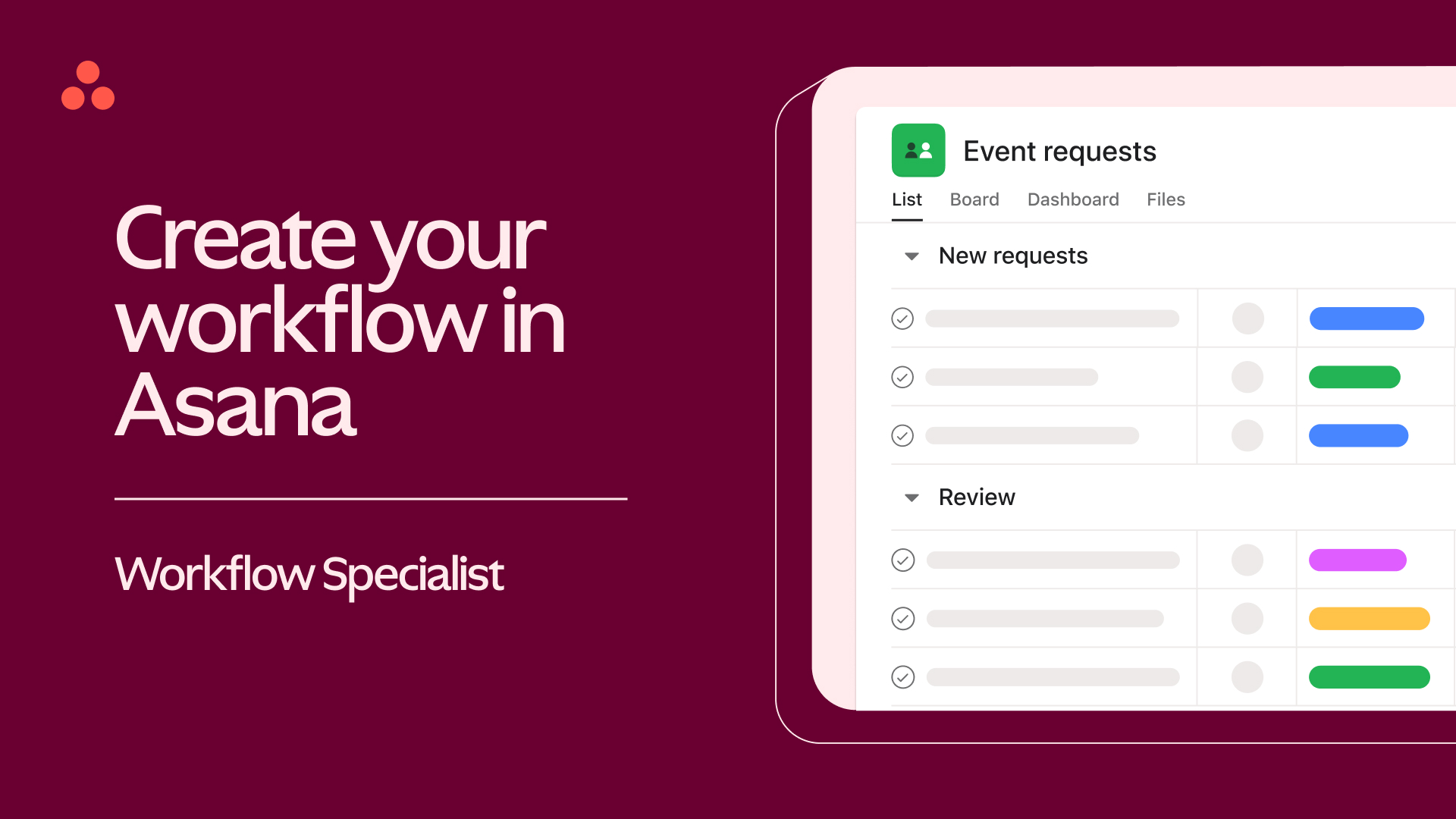
Start by breaking your process into distinct stages: planning, execution, review, and refinement. Each stage can have multiple tools or methods. For instance, you might use Trello for planning, Asana for execution, and Notion for review. The key is to keep each stage independent so you can swap tools or approaches without disrupting the entire system.
Another layer of flexibility comes from time-blocking. Instead of rigid schedules, assign broad time blocks to types of work (e.g., “creative time,” “admin time,” “deep work”). This allows you to adapt your day based on energy levels and priorities. Tools like Google Calendar or Sunsama can help visualize these blocks without locking you into a fixed routine.
—
Automate the Mundane: Free Your Focus for What Matters
Efficiency isn’t about doing more—it’s about doing less of what doesn’t matter. Automation is the secret weapon of high-performing workflows. By offloading repetitive tasks, you free up mental space for creativity, strategy, and problem-solving.
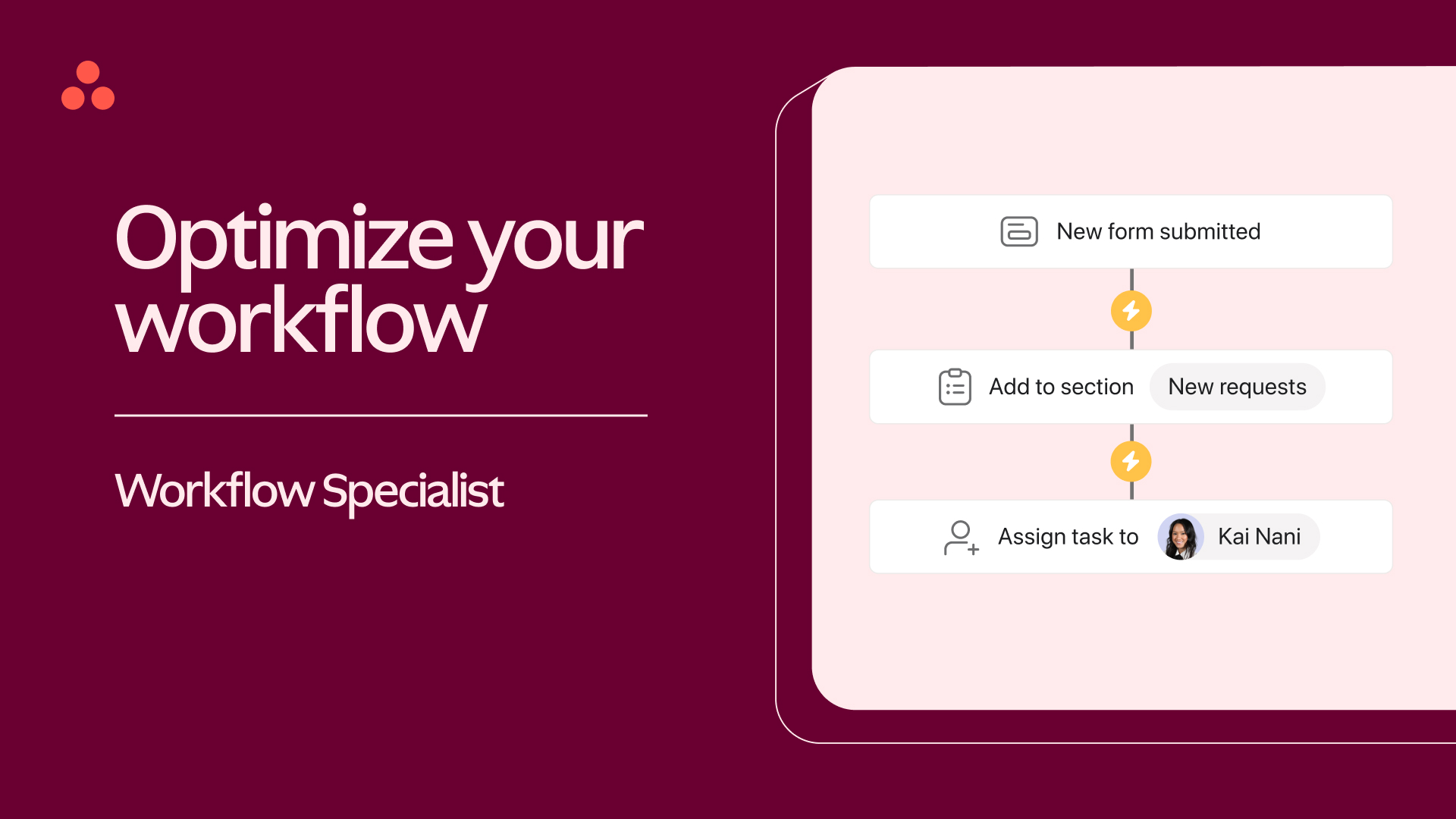
Start small. Identify the tasks that drain your energy but don’t require human judgment: email filtering, file organization, social media scheduling, or invoice generation. Tools like Zapier, Make (formerly Integromat), or native automation features in apps like Gmail and Slack can handle these seamlessly.
But automation isn’t just about saving time—it’s about consistency. When repetitive tasks are handled automatically, you reduce the risk of human error and ensure that foundational processes run smoothly, even when you’re not actively managing them.
As your workflow evolves, revisit your automation stack. What worked six months ago might not serve you now. Regularly audit your tools and integrations to ensure they’re still aligned with your goals.
—
Embrace Iteration: The Art of Continuous Refinement
A workflow isn’t a one-time project—it’s a cycle of testing, learning, and improving. The most effective systems are never “finished”; they’re constantly refined based on feedback, results, and changing circumstances.
Set aside time each month to review your workflow. Ask yourself:
- What’s working? Which tools, habits, or routines are delivering results?
- What’s not working? What feels clunky, time-consuming, or unnecessary?
- What’s missing? Are there new challenges or goals that require a different approach?
This isn’t about perfection—it’s about progress. Even small tweaks, like adjusting a notification setting or changing a meeting cadence, can have a ripple effect on your productivity and well-being.
Document your changes. Keep a simple log of what you’ve adjusted and why. Over time, this becomes a valuable resource for understanding what truly works for you—and what doesn’t.
—
Scale With Systems: From Solo to Team (and Beyond)
What starts as a personal workflow often needs to adapt as your responsibilities grow. Whether you’re moving from freelancing to hiring a team or scaling a project from one client to many, your systems must evolve to support that growth.
Start by documenting your processes. Use tools like Notion, Loom, or even a simple Google Doc to create step-by-step guides for recurring tasks. This not only helps you stay consistent but also makes it easier to delegate or outsource work.
As you bring others into your workflow, focus on clarity and communication. Define roles, expectations, and handoff points. Use project management tools like ClickUp, Monday.com, or Asana to centralize tasks and reduce miscommunication.
Remember: scaling isn’t just about adding more people—it’s about adding more capacity. Your workflow should enable you to do more without burning out. That might mean automating more, outsourcing specific tasks, or even redesigning your entire process to be more collaborative.
—
Measure What Matters: Track Progress, Not Just Output
It’s easy to get caught up in the volume of work you produce—emails sent, tasks completed, meetings held. But true evolution in your workflow comes from measuring the right things: impact, sustainability, and alignment with your goals.
Instead of tracking hours worked, track outcomes. Did your workflow help you launch a project on time? Did it reduce stress during a busy period? Did it allow you to spend more time on high-value work?
Use metrics that reflect your priorities. For a creative professional, this might be the number of high-quality drafts produced. For a manager, it could be team satisfaction scores or project completion rates. The key is to choose metrics that align with your long-term vision—not just short-term productivity.
Regularly review these metrics during your workflow audits. Are they improving? If not, it’s a sign that your system needs adjustment. Maybe you’re measuring the wrong things, or maybe your workflow isn’t supporting the outcomes you want.
—
Build a Workflow That Grows With You
A workflow that evolves with you isn’t built in a day—it’s cultivated over time. It requires intention, flexibility, and a commitment to continuous improvement. But the payoff is immense: less stress, more focus, and the freedom to adapt as your life and work change.
Start with clarity. Design for flexibility. Automate the mundane. Embrace iteration. Scale with systems. And measure what truly matters. Do this, and your workflow won’t just keep up with you—it’ll help you rise to new heights.
Your future self will thank you.
Leave a comment