


In a world overflowing with information and possessions, clutter can silently drain your energy, focus, and even your sense of well-being. Whether it’s the endless notifications on your phone, the stacks of unread books on your shelf, or the digital files buried in your cloud storage, clutter—both physical and digital—has a way of accumulating without us even realizing it. The good news? Decluttering isn’t just about tidying up; it’s about reclaiming control over your environment and your mind. This guide will walk you through practical, actionable steps to transform your spaces—digital and physical—into havens of clarity and efficiency.
The Psychology Behind Clutter: Why It Matters
Before diving into the “how,” it’s essential to understand the “why.” Clutter isn’t just an aesthetic issue; it’s a psychological one. Studies have shown that clutter can increase stress levels, reduce productivity, and even impair decision-making. When your environment is chaotic, your brain struggles to focus, leading to mental fatigue. On the digital front, an overloaded inbox or a desktop filled with files can create a sense of overwhelm, making it harder to prioritize what truly matters. By decluttering, you’re not just organizing—you’re creating mental space for creativity, relaxation, and clarity.
Decluttering Your Physical Space: A Room-by-Room Approach
Physical clutter often feels more tangible, but that doesn’t make it easier to tackle. The key is to approach it systematically, room by room, and with a clear strategy. Start with one area at a time to avoid feeling overwhelmed. Here’s how to break it down:
1. The Entryway: Your First Impression
The entryway sets the tone for your home. If it’s cluttered with shoes, coats, mail, or random items, it can make the entire space feel chaotic. Begin by removing everything that doesn’t belong. Install hooks or a shoe rack to keep items organized, and designate a spot for mail and keys. A small tray or bowl for loose change and small items can work wonders. The goal is to create a welcoming, uncluttered space that makes coming home feel effortless.
2. The Kitchen: Where Function Meets Serenity
The kitchen is often the heart of the home, but it’s also a magnet for clutter. Start by emptying one cabinet or drawer at a time. Toss expired food, donate unused appliances, and reorganize items by frequency of use. Group similar items together—baking supplies in one area, spices in another—and use clear containers to keep things visible. A decluttered kitchen isn’t just about aesthetics; it’s about making cooking and cleaning more efficient. Wipe down surfaces, declutter the fridge, and keep countertops clear of unnecessary items. The result? A space that’s both functional and calming.
3. The Bedroom: A Sanctuary for Rest
Your bedroom should be a retreat, not a storage unit. Start by removing anything that doesn’t belong—clothes piled on chairs, books on the nightstand, or random items under the bed. Sort your wardrobe into categories: keep, donate, or toss. Be ruthless with items you haven’t worn in over a year. Use under-bed storage for seasonal items and keep nightstands minimal. The goal is to create a space that promotes relaxation and restful sleep. Soft lighting, neutral colors, and a clutter-free surface can make a world of difference.
4. The Home Office: Productivity Starts Here
A cluttered workspace can stifle creativity and productivity. Begin by clearing your desk of anything that isn’t essential. Sort papers into three piles: action, file, or recycle. Invest in organizers for pens, notebooks, and cables. Keep only the tools you use daily within arm’s reach, and store the rest out of sight. Digital files can also contribute to physical clutter—print only what you need and digitize the rest. A clean desk leads to a clear mind, making it easier to focus on the tasks at hand.
Decluttering Your Digital Space: Taming the Digital Chaos
Digital clutter is often invisible but just as overwhelming. From overflowing email inboxes to disorganized photo libraries, our digital lives can quickly become a source of stress. The good news? Digital decluttering is often quicker and less physically taxing than its physical counterpart. Here’s how to bring order to your digital world:
1. The Email Inbox: A Zero-Inbox Approach
An inbox with hundreds or thousands of unread emails can feel paralyzing. Start by unsubscribing from newsletters you no longer read. Use filters to automatically sort incoming emails into folders, and set aside time each day to process what’s left. Aim for a zero-inbox policy—delete, archive, or respond to each email as it comes in. Tools like Gmail’s “Priority Inbox” or third-party apps like Spark can help streamline the process. The result? A lighter inbox and a clearer mind.
2. The Desktop and Downloads Folder: Your Digital Catch-All
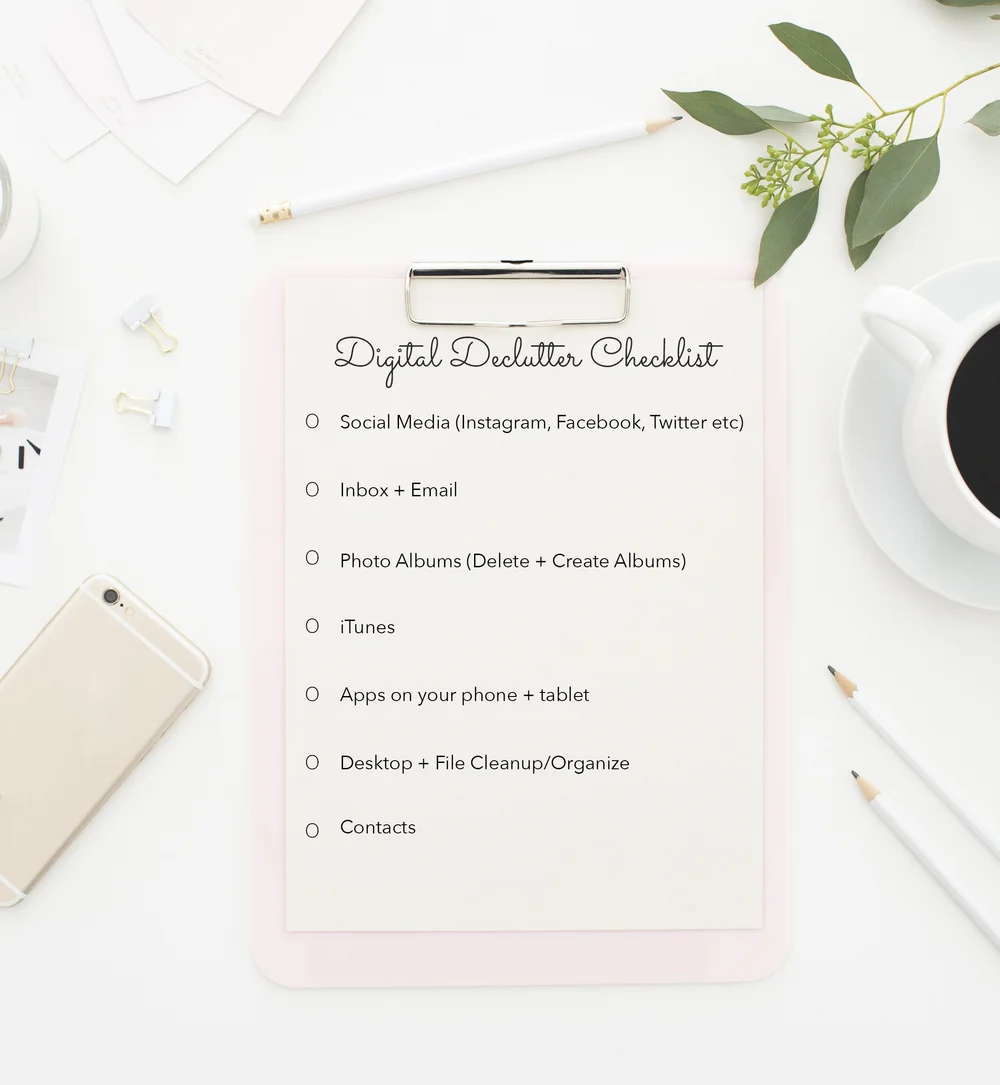
How many files are sitting on your desktop right now? If the answer is “too many,” it’s time for a cleanup. Start by deleting anything you don’t need—old screenshots, duplicate files, or downloads you’ve already processed. Create folders for different categories (work, personal, projects) and sort files accordingly. Use a consistent naming convention to make files easier to find later. For photos, consider using cloud storage or apps like Google Photos to automatically organize and back up your memories. A clean desktop is a small but powerful step toward digital serenity.
3. The Cloud and External Drives: The Digital Attic
Cloud storage and external drives are lifesavers, but they can also become digital attics filled with forgotten files. Start by auditing what’s stored in your cloud accounts. Delete duplicates, old drafts, and files you no longer need. Organize what’s left into logical folders, and use tags or labels to make searching easier. For external drives, create a backup system to ensure you’re not duplicating efforts. The goal is to have a digital filing system that’s as intuitive as your physical one.
4. Social Media and Subscriptions: Curating Your Digital Diet
Social media platforms and app subscriptions can clutter your digital life just as much as files and emails. Start by unfollowing accounts that no longer serve you—whether they’re outdated, negative, or simply not adding value. Use tools like Unroll.me to unsubscribe from promotional emails in bulk. For apps, audit your phone and delete anything you haven’t used in the past month. The fewer notifications and distractions you have, the more mental space you’ll have for what truly matters.
Sustainable Habits: Keeping Clutter at Bay
Decluttering isn’t a one-time task; it’s an ongoing practice. The key to maintaining a clutter-free space—digital or physical—is to adopt habits that prevent accumulation in the first place. Here are a few strategies to keep clutter from creeping back in:
1. The One-In, One-Out Rule
For every new item you bring into your home, remove an old one. This applies to clothes, books, kitchen gadgets, and even digital files. Before downloading a new app or buying a new gadget, ask yourself if it’s truly necessary. If it is, make space by letting go of something else. This rule ensures that your spaces stay balanced and clutter-free over time.
2. Weekly Digital and Physical Sweeps
Set aside 15-30 minutes each week to tidy up. For physical spaces, this might mean wiping down surfaces, putting things back in their place, or doing a quick declutter of a single drawer. For digital spaces, it could be deleting old emails, organizing files, or unsubscribing from unwanted newsletters. Small, consistent efforts prevent clutter from piling up and make the process feel less daunting.
3. Mindful Consumption
The root of clutter is often mindless consumption. Before purchasing something new, ask yourself if it aligns with your values and needs. For digital content, this means being selective about what you save, download, or subscribe to. The less you bring into your space, the less you’ll have to declutter later.
Final Thoughts: The Freedom of Less
Decluttering is more than just a chore; it’s a form of self-care. By taking control of your physical and digital spaces, you’re creating room for what truly matters—whether that’s creativity, relaxation, or simply peace of mind. Start small, be consistent, and remember that progress is more important than perfection. The goal isn’t to live in a sterile, minimalist environment but to cultivate spaces that support your well-being and allow you to thrive.
Leave a comment