


There’s a quiet frustration brewing in workplaces across industries: managers who hover, second-guess, and suffocate creativity under the guise of “ensuring quality.” Micromanagement isn’t just an annoyance—it’s a productivity killer, a morale drainer, and a silent saboteur of innovation. Yet, the paradox remains: many leaders struggle to let go, not because they lack trust, but because they’re unsure how else to drive results. The deeper question isn’t just about motivation—it’s about how motivation thrives when autonomy is honored.
Motivating a team without micromanaging isn’t about relinquishing control entirely; it’s about redefining it. It’s a shift from surveillance to empowerment, from directives to dialogue, and from outcomes to ownership. This approach doesn’t just preserve sanity—it unlocks potential. Here’s how to cultivate a high-performing team that thrives on trust, clarity, and shared purpose.
—
The Hidden Cost of Micromanagement
Micromanagement isn’t just a leadership style—it’s a cultural signal. When managers insist on approving every minor decision, they send a clear message: “I don’t trust you to do this right.” Over time, this erodes confidence, stifles creativity, and turns employees into passive executors rather than proactive problem-solvers. Studies show that micromanaged teams report higher stress levels, lower job satisfaction, and even higher turnover rates. The irony? The more a leader tries to control, the less control they ultimately have over the team’s performance.
Consider the case of a software development team where a manager reviewed every line of code before deployment. The result wasn’t flawless work—it was a bottleneck. Developers stopped taking initiative, waiting for approval instead of innovating. Morale plummeted, and the team’s velocity ground to a halt. The manager’s intent was noble: ensure quality. But the method backfired, creating a cycle of dependency that undermined the very thing they sought to protect.
Micromanagement isn’t about incompetence; it’s often about fear. Fear of failure, fear of losing control, or fear that without constant oversight, standards will slip. Recognizing this is the first step toward breaking the cycle. The goal isn’t to abandon standards—it’s to build a system where excellence is the default, not the exception.
—
Clarity Over Control: Setting the Stage for Autonomy
Autonomy thrives in an environment of crystal-clear expectations. Without them, “empowerment” becomes a buzzword with no substance. The key is to shift from how work gets done to what needs to be achieved—and why it matters. This means defining outcomes, not processes.
Start with the “why.” Share the bigger picture—how each team member’s work contributes to the company’s mission. When employees understand the purpose behind their tasks, they’re more likely to take ownership. For example, instead of dictating how a marketing campaign should be structured, a leader might say, “Our goal is to increase engagement by 20% this quarter. How do you think we can get there?” This opens the door for creative solutions while keeping the focus on results.
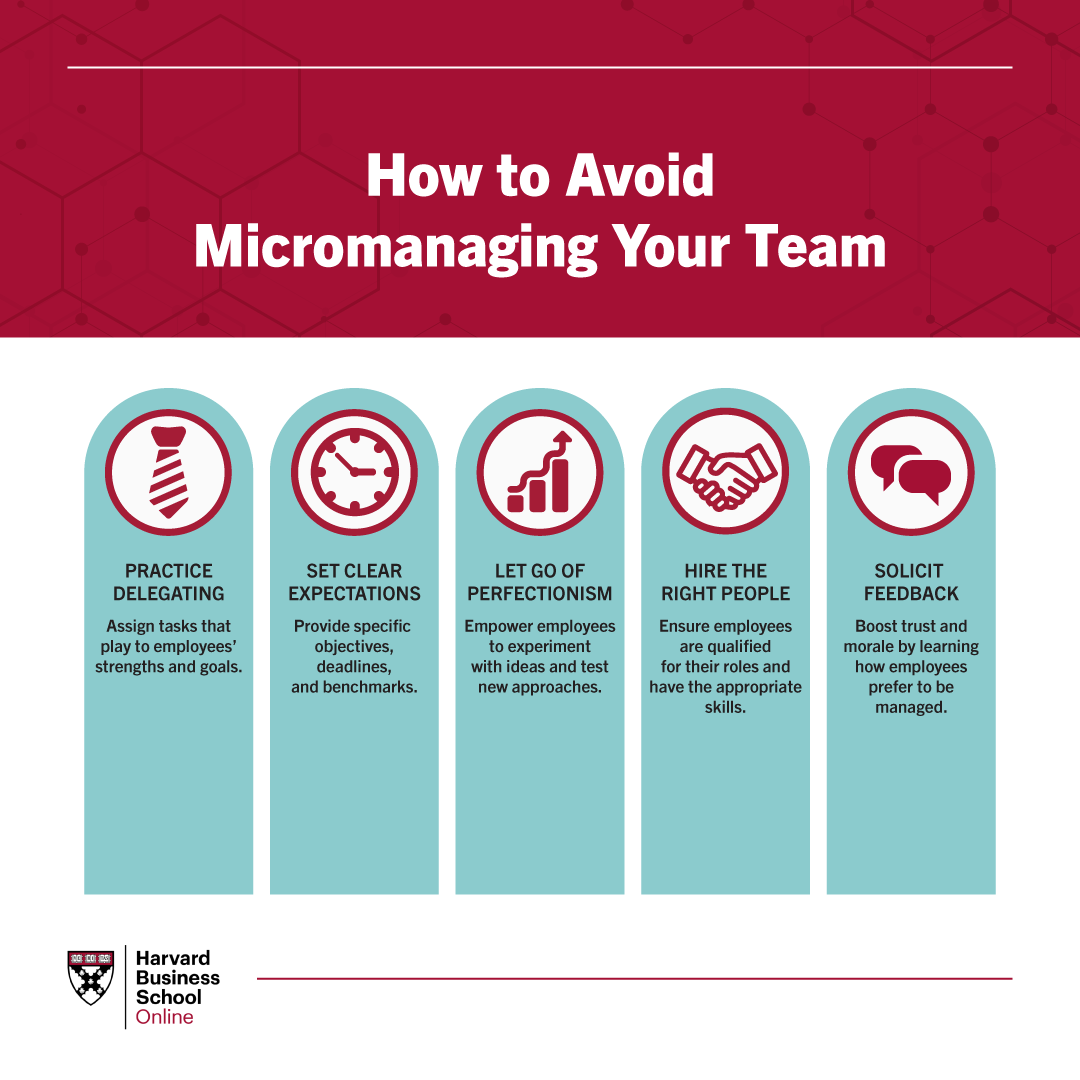
Next, establish measurable benchmarks. What does success look like? Define key performance indicators (KPIs) upfront so the team knows what to aim for. This doesn’t mean removing all flexibility—it means creating guardrails that allow for innovation within boundaries. For instance, a sales team might have a target of closing 50 deals per month, but the how—whether through cold calls, referrals, or digital outreach—is left to their discretion.
The final piece is regular check-ins, not check-ups. Instead of surprise audits, schedule consistent, low-pressure conversations to discuss progress, roadblocks, and ideas. These touchpoints reinforce accountability without slipping into micromanagement. Tools like OKRs (Objectives and Key Results) can help structure these discussions, ensuring alignment without stifling creativity.
—
Trust as the Foundation: Building (and Keeping) It
Trust isn’t given—it’s earned. But it’s also a two-way street. Leaders who micromanage often do so because they’ve been burned in the past, whether by a missed deadline or a subpar deliverable. The solution isn’t to clamp down; it’s to rebuild trust through transparency and consistency.
Start with small wins. Delegate tasks that have low risk but high visibility. For example, ask a team member to lead a client presentation or draft a project proposal. Success in these areas builds confidence—for both the leader and the employee. Over time, this trust compounds, allowing for greater autonomy in higher-stakes projects.
Transparency is another trust builder. Share company challenges, financial updates, or strategic shifts openly. When employees understand the bigger picture, they’re more likely to align their efforts with organizational goals. This doesn’t mean overwhelming them with data, but rather providing context that helps them see how their work fits into the larger ecosystem.
Finally, lead by example. If you expect your team to take ownership, demonstrate it yourself. Admit mistakes, ask for feedback, and show vulnerability. A leader who says, “I don’t have all the answers—let’s figure this out together,” fosters an environment where experimentation is encouraged, and failure is seen as a learning opportunity rather than a reason for punishment.
—
Feedback That Fuels, Not Frustrates
Feedback is the lifeblood of growth, but not all feedback is created equal. The goal isn’t to critique every detail but to guide without dictating. The difference lies in the approach: constructive feedback focuses on behavior and outcomes, not personality or micromanagement.
Use the “SBI” model—Situation, Behavior, Impact—to structure feedback. For example:
- Situation: “During yesterday’s client meeting…”
- Behavior: “…you interrupted the client twice when they were explaining their needs.”
- Impact: “…which made them feel unheard and may have affected our chances of closing the deal.”
This approach keeps feedback objective and actionable. It also shifts the conversation from judgment to improvement, making it easier for employees to receive and act on it.
Equally important is the timing of feedback. Real-time feedback is powerful, but it must be delivered with care. Public praise reinforces positive behavior, while private corrections prevent embarrassment. The key is to make feedback a regular part of the workflow, not a once-a-year event tied to performance reviews.

Another tactic is to frame feedback as a conversation, not a lecture. Ask open-ended questions like, “What do you think went well in that project?” or “How could we improve next time?” This invites collaboration and shows that you value their perspective.
—
Culture Eats Micromanagement for Breakfast
No amount of delegation or feedback loops will stick if the underlying culture doesn’t support autonomy. A culture of trust isn’t built overnight—it’s cultivated through consistent actions, policies, and values.
Start with hiring. Look for candidates who demonstrate self-motivation, problem-solving skills, and a willingness to take initiative. During interviews, ask behavioral questions like, “Tell me about a time you identified a problem and solved it without being asked.” Their answers will reveal whether they’re wired for autonomy.
Next, align incentives with outcomes. Reward results, not hours logged or processes followed. If your compensation structure ties bonuses to individual tasks completed, you’re inadvertently encouraging micromanagement. Instead, tie rewards to collective achievements, innovation, or customer satisfaction—metrics that reflect true impact.
Finally, model the behavior you want to see. If you want your team to take ownership, show them what ownership looks like. Share your own challenges, ask for their input, and celebrate their successes publicly. A leader who says, “I trust you to handle this,” and then steps back to let them shine, reinforces the culture they’re trying to build.
—
The Ripple Effect of Empowerment
When teams operate without the shadow of micromanagement, the benefits extend far beyond productivity. Employees become more engaged, creative, and loyal. Innovation flourishes because people feel safe to take risks. And leaders? They free up time to focus on strategy, mentorship, and the bigger picture.
The transition from control to empowerment isn’t easy. It requires patience, self-awareness, and a willingness to embrace uncertainty. But the payoff—a team that’s motivated, self-sufficient, and driven by purpose—is worth every step.
So the next time you feel the urge to step in and “fix” something, pause. Ask yourself: Is this truly necessary, or am I holding onto control out of habit? The answer might just redefine what leadership—and motivation—can look like.
Leave a comment