


Overthinking is a silent productivity killer. It turns small issues into looming catastrophes, drains mental energy, and leaves you paralyzed when action is needed most. The irony? The more you think, the less you often accomplish. But what if you could break free from the cycle of endless rumination and approach problems with clarity and confidence? This guide explores practical strategies to solve problems efficiently—without the mental clutter.
The Hidden Costs of Overthinking
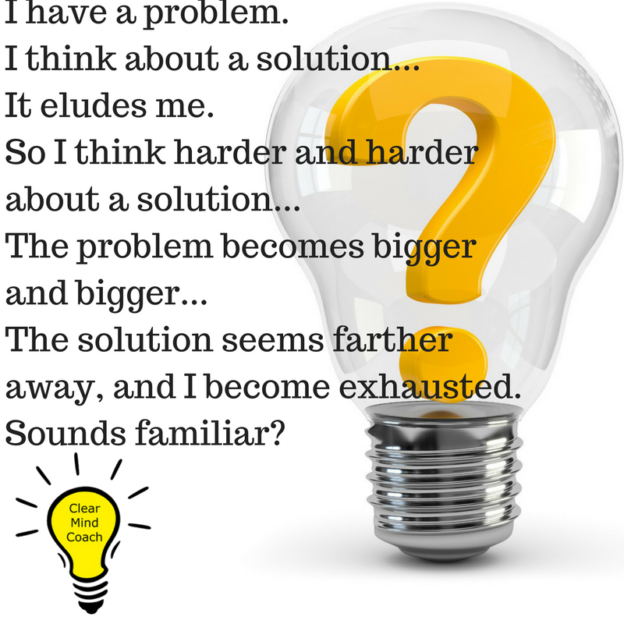
Before diving into solutions, it’s worth understanding why overthinking is so damaging. When you fixate on a problem, your brain enters a loop of “what-if” scenarios, amplifying stress and anxiety. Studies show that excessive rumination can impair decision-making, reduce creativity, and even affect physical health by increasing cortisol levels. The key isn’t to eliminate thinking entirely but to channel it productively.
Consider this: Every minute spent overanalyzing is a minute not spent solving. The goal isn’t to avoid thought but to direct it toward actionable steps. Recognizing the patterns of overthinking is the first step toward breaking them.

Signs You’re Overthinking
- Endless “research”: Spending hours gathering information without making a decision.
- Catastrophizing: Assuming the worst-case scenario is inevitable.
- Analysis paralysis: Unable to choose between options due to fear of making the wrong one.
- Repetitive thoughts: The same worries cycling through your mind without resolution.
Strategies to Stop Overthinking and Start Solving
1. Set a Thinking Time Limit
Allocate a specific amount of time—say, 15 or 30 minutes—to analyze the problem. Use a timer to create urgency. Once the time is up, shift your focus to action. This prevents endless loops and forces you to prioritize what truly matters. Think of it as a mental sprint: short, intense, and purposeful.
For example, if you’re stuck on a work project, set a timer and jot down every possible solution without judgment. When the timer goes off, pick the most feasible option and move forward. The goal isn’t perfection but progress.
2. Reframe the Problem
Overthinking often stems from viewing problems as insurmountable obstacles. Instead, reframe them as challenges to overcome. Ask yourself: What’s the smallest step I can take right now? Breaking the problem into micro-tasks reduces its overwhelming nature and makes it more manageable.
For instance, if you’re procrastinating on a task, ask: What’s the first 10-minute action I can take? Often, starting is the hardest part, and momentum builds from there.
3. Limit Information Input
In the digital age, we’re bombarded with opinions, advice, and data. While research is valuable, too much can lead to paralysis. Set boundaries: Decide in advance how much information you need before making a decision. For example, limit yourself to three credible sources or one hour of research.
This doesn’t mean avoiding due diligence but preventing the trap of “analysis paralysis,” where you’re stuck in a loop of gathering more data without taking action.
4. Use the 10-10-10 Rule
This simple yet powerful technique helps put problems into perspective. Ask yourself:
- How will this problem affect me in 10 days?
- How will it affect me in 10 months?
- How will it affect me in 10 years?
Often, what feels monumental today will seem trivial in the long run. This exercise grounds you in reality and reduces the emotional weight of the problem.
5. Embrace Imperfection
Perfectionism is a major driver of overthinking. The truth? Most problems don’t require a flawless solution—just a functional one. Ask yourself: Will this matter in five years? If not, it’s likely not worth the mental energy.
For example, if you’re drafting an email, aim for clear and concise rather than polished to the point of obsession. The goal is communication, not perfection.
Mindset Shifts to Reduce Overthinking
1. Accept Uncertainty
Overthinkers often crave certainty, but life is inherently uncertain. Instead of seeking absolute answers, practice tolerating ambiguity. Ask yourself: What’s the worst that could happen, and how would I handle it? This shifts your focus from fear to preparedness.
2. Focus on What You Can Control
The Stoic principle of focusing on your “circle of control” is invaluable. Write down what aspects of the problem are within your power to change and what isn’t. Direct your energy toward the former and let go of the latter. This reduces mental clutter and increases productivity.
3. Practice the “5-Second Rule”
Mel Robbins’ famous 5-second rule is a game-changer for action-takers. When you catch yourself overthinking, count down from 5 and physically move—stand up, open a document, or take a step. This interrupts the rumination cycle and forces you into action.
Tools and Techniques for Clarity
1. The Eisenhower Matrix
This productivity tool helps prioritize tasks by urgency and importance. Divide your problems into four categories:
- Urgent and important: Do these immediately.
- Important but not urgent: Schedule time for these.
- Urgent but not important: Delegate if possible.
- Neither urgent nor important: Eliminate or minimize.
This framework cuts through the noise and ensures you’re focusing on what truly matters.
2. Mind Mapping
For complex problems, a mind map can help organize thoughts visually. Start with the central problem and branch out with possible solutions, obstacles, and resources. This technique reveals connections you might otherwise miss and makes the problem feel less daunting.
3. Journaling for Clarity
Writing down your thoughts can externalize the problem, making it easier to analyze objectively. Try the “worry dump” method: Spend 10 minutes writing every concern swirling in your mind. Then, review the list and categorize each item as solvable, unsolvable, or irrelevant. This process often reveals that many worries are unfounded or beyond your control.

When to Seek Help
While overthinking is common, chronic rumination can signal deeper issues like anxiety or depression. If you find yourself stuck in a cycle of overthinking despite trying these strategies, consider speaking with a mental health professional. Therapy, particularly cognitive behavioral therapy (CBT), can provide tools tailored to your specific challenges.
Remember, seeking help isn’t a sign of weakness—it’s a step toward empowerment. Sometimes, an outside perspective is all it takes to break free from mental loops.
Final Thoughts: The Power of Action
Overthinking is a habit, and like any habit, it can be changed. The key is to shift from passive rumination to active problem-solving. Start small: Pick one strategy from this guide and apply it to a current challenge. Notice how it feels to take control of your thoughts rather than letting them control you.
Problems are a part of life, but they don’t have to be a source of suffering. With the right tools and mindset, you can solve them efficiently, confidently, and without the mental clutter. The next time you feel stuck, ask yourself: What’s the smallest step I can take right now? Then, take it.
Leave a comment