


In an era where notifications ping like impatient metronomes and endless tabs compete for attention, focus feels like a rare currency. The irony? We’ve never had more tools to concentrate—yet distraction has become the default. Why does this happen? The answer lies not just in the volume of noise but in how our brains evolved to prioritize novelty over calm. This isn’t just about willpower; it’s about understanding the deeper mechanics of attention in a digital age.
The Paradox of Plenty: Why More Choices Equal Less Focus
Modern online environments are designed to exploit a fundamental human trait: curiosity. Every ping, like, or scroll triggers a micro-dose of dopamine, a neurotransmitter linked to reward and motivation. The problem? Our brains weren’t built for this kind of stimulation. Evolutionarily, novelty meant survival—new sights, sounds, or threats demanded immediate attention. Today, that same wiring is hijacked by algorithms that prioritize engagement over clarity.
Consider the average smartphone user, who checks their device over 96 times a day. Each glance isn’t just a habit; it’s a negotiation between the brain’s desire for novelty and its need for sustained focus. The deeper issue isn’t the noise itself but the illusion that we’re in control. We believe we can multitask, but research shows that switching between tasks reduces productivity by up to 40%. The solution isn’t to eliminate distractions but to recognize how they manipulate our attention.
The Hidden Cost of Digital Overload: Burnout and Fragmented Thinking
Chronic distraction doesn’t just steal time—it reshapes how we think. Studies on cognitive load reveal that constant interruptions fragment working memory, making it harder to retain information or solve complex problems. The result? A society that prizes speed over depth, skimming rather than comprehending. This isn’t just inefficient; it’s eroding our ability to engage in deep work, a state where creativity and problem-solving thrive.
But why do we tolerate this? Partly because the consequences aren’t immediate. Unlike physical exhaustion, mental fatigue creeps in subtly, masquerading as productivity. We confuse busyness with achievement, equating a cluttered inbox with progress. The deeper issue is cultural: we’ve normalized the idea that focus is a luxury, not a skill to be cultivated. The antidote? Reclaiming agency over our attention by designing environments that respect our cognitive limits.
Designing Your Digital Environment for Focus
Focus isn’t about brute-force willpower; it’s about creating systems that align with how our brains naturally operate. Start with the most basic lever: your workspace. Digital clutter—open tabs, unread emails, app notifications—competes for mental bandwidth. A 2020 study found that even the presence of a smartphone, even when turned off, reduces cognitive capacity. The fix? A minimalist approach: close unnecessary tabs, use browser extensions to block distracting sites, and designate specific times for checking messages.
Next, consider the role of tools. Not all apps are enemies of focus; some are allies. Tools like Pomodoro timers or distraction-free writing apps (e.g., FocusWriter or Cold Turkey) leverage the brain’s love of structure. The Pomodoro Technique, for instance, capitalizes on the brain’s ultradian rhythms—natural 90-minute cycles of alertness—by breaking work into focused sprints followed by short breaks. This isn’t just productivity hacks; it’s a way to sync with our biological rhythms rather than fight them.

The Role of Environment: From Physical to Digital
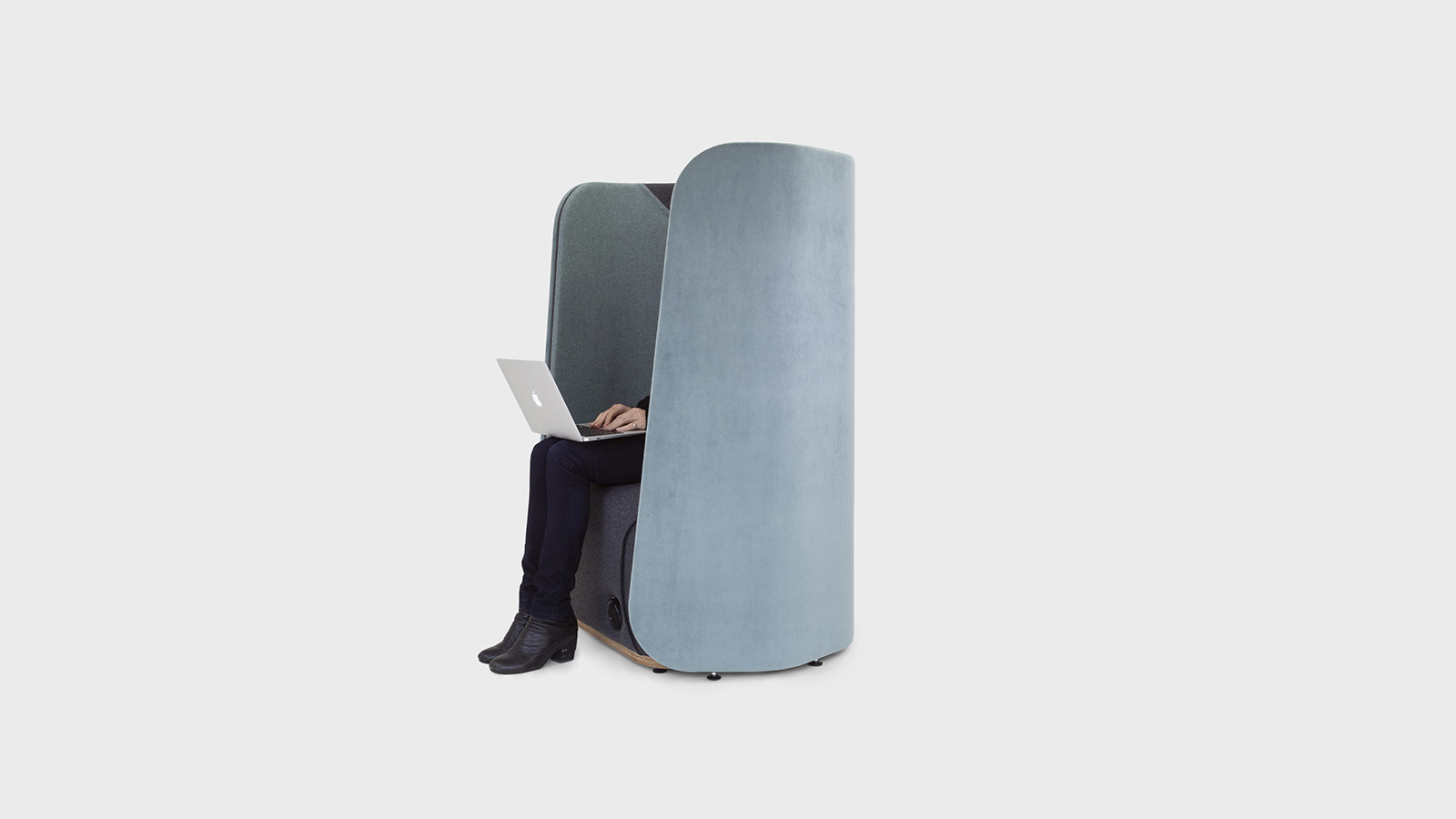
Focus is as much about external conditions as internal discipline. A noisy café might seem like a productivity killer, but for some, the ambient hum of conversation creates a “flow state” by drowning out the louder distractions of home. The key is intentionality: curate your environment to match your cognitive needs. Noise-canceling headphones, white noise apps, or even background music with binaural beats can create a cocoon of focus.
But what about the digital environment? Social media, in particular, is engineered to fragment attention. The endless scroll mimics the unpredictability of foraging—our ancestors’ brains were wired to scan for resources, and today’s feeds exploit that instinct. The solution isn’t abstinence but boundaries. Use app blockers during work hours, turn off non-essential notifications, and schedule “deep work” blocks where you disconnect entirely. Remember: every notification is a demand on your attention, and every demand is a tax on your focus.
Mindset Shifts: From Scarcity to Abundance
Focus thrives in an environment of abundance—not of distractions, but of clarity. The first step is reframing focus as a skill, not a gift. Like any skill, it requires practice and patience. Start small: commit to 25 minutes of undistracted work, then gradually increase the duration as your brain adapts. Celebrate these wins, not just the outcomes. The deeper shift is recognizing that focus isn’t about eliminating all noise but about choosing which noises matter.
Another mindset shift: focus isn’t linear. The brain cycles through periods of high and low alertness. Instead of fighting these rhythms, work with them. Schedule demanding tasks for your peak hours (often mornings for most people) and reserve low-focus activities like email or admin work for slumps. This isn’t just about efficiency; it’s about respecting the natural ebb and flow of cognitive energy.

The Long Game: Building a Focus-Centric Lifestyle
Focus isn’t a one-time achievement; it’s a lifestyle. The most successful people in any field—artists, athletes, entrepreneurs—don’t have superhuman willpower. They’ve built systems that make focus inevitable. This means auditing your habits regularly: Are your tools serving you, or are you serving them? Are your breaks truly restorative, or just another form of distraction?
The final insight? Focus is a rebellion. In a world that profits from your divided attention, choosing to concentrate is an act of defiance. It’s a declaration that your time—and your mind—are valuable. The noise will always be there. The question is: Will you let it dictate your priorities, or will you reclaim the power to choose where to direct your focus?
Start today. Close one tab. Silence one notification. Take back one minute. The rest will follow.
Leave a comment