


Travel isn’t just about the destination—it’s about the transformation that happens along the way. Whether you’re jet-setting across continents or navigating a weekend getaway, your journey can be more than a pause from routine; it can be a catalyst for productivity. Imagine your travel time as a river: some stretches flow effortlessly, while others demand navigation. The key to staying productive isn’t fighting the current—it’s learning to steer it. Here’s how to harness the unique rhythm of travel to fuel your work, creativity, and personal growth.
The Art of Packing: Light as a Feather, Sharp as a Knife
Your suitcase is more than luggage—it’s your mobile office, your sanctuary, and your first productivity hack. The golden rule? Pack with purpose. Every item should serve a dual function: utility and inspiration. A sleek, lightweight laptop with long battery life becomes your command center, while noise-canceling headphones transform chaotic terminals into focused sanctuaries. But don’t stop at tools—pack a journal for ideas that strike mid-flight, a portable charger to keep your devices alive, and a single, versatile outfit that makes you feel unstoppable. The less you carry, the more you can create.

Pro tip: Use packing cubes to compartmentalize your life. One cube for work essentials, another for personal comforts, and a third for “just in case” items. This mental organization trick spills into your workflow, keeping tasks as tidy as your suitcase.
Time Zones as Your Playground: Mastering the Clock’s Dance
Time zones aren’t obstacles—they’re opportunities. A red-eye flight isn’t a curse; it’s a chance to outpace your to-do list. The trick is to reframe your schedule not as a constraint, but as a palette of productivity. If you’re crossing multiple time zones, adjust your sleep in increments. A 30-minute shift each day keeps jet lag at bay and your brain sharp. Use the “golden hours”—those pockets of time when you’re naturally alert—to tackle deep work. Early mornings in a new city can be your secret weapon, offering quiet streets and caffeine-fueled clarity.
For those struggling with the “time warp” of travel, try the “anchor method.” Pick one consistent activity—like a morning run or a 10-minute meditation—and tie your schedule to it. This anchor keeps you grounded, no matter how many time zones you cross.
The Airport as Your Co-Working Space: Finding Focus in the Chaos
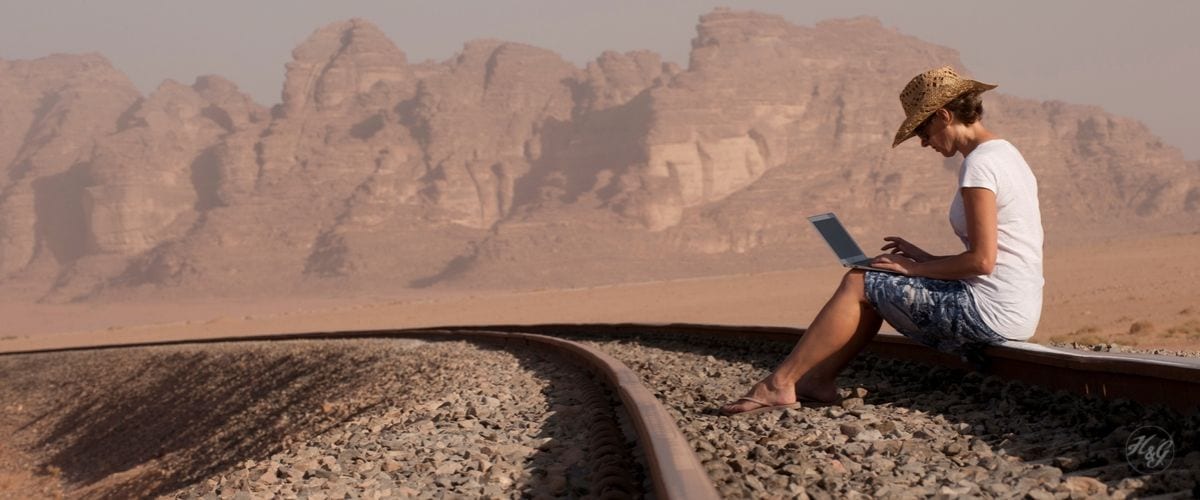
Airports are often dismissed as purgatories of delays and dullness, but they’re also the world’s most dynamic co-working spaces. The key is to treat them as such. Scope out quiet corners—those tucked-away benches near gates, the empty corners of lounges, or even the back of a café. Noise-canceling headphones become your “Do Not Disturb” sign, and a portable stand turns your lap into a standing desk. The hum of the terminal isn’t noise; it’s the soundtrack of progress.
For those who thrive on structure, create a mini itinerary for your layovers. Block out 30 minutes for emails, 20 for planning, and 10 for a power nap. This turns idle time into invested time. And if all else fails, remember: the Wi-Fi is usually free, the outlets are plentiful, and the people around you are too distracted to notice you working.
Digital Nomad Hacks: Tools That Travel With You
Your productivity toolkit shouldn’t be left behind when you pack your bags. Cloud-based apps like Notion, Trello, and Google Drive ensure your projects are always within reach. Offline mode is your best friend—download documents, maps, and playlists before you lose signal. A VPN protects your data on public networks, while a password manager keeps your logins secure without the mental clutter.
But don’t overlook analog tools. A physical notebook for brainstorming, a pen that glides effortlessly, and sticky notes for quick reminders add a tactile dimension to your workflow. The act of writing by hand can spark ideas that typing never will.

Pro tip: Use a travel router to create a secure, private network in your hotel room. This not only speeds up your connection but also adds a layer of privacy in shared spaces.
Cultural Immersion as Fuel: How New Experiences Spark Creativity
Productivity isn’t just about ticking off tasks—it’s about feeding your mind. Travel exposes you to new sights, sounds, and perspectives, and these stimuli are the raw material for innovation. A conversation with a local barista might inspire a marketing campaign. A sunset over a foreign skyline could redefine your approach to problem-solving. Keep a “spark journal” to jot down fleeting ideas, observations, and inspirations. Review it during downtime to reignite your creative engine.
The “foreignness” of a new place forces your brain out of autopilot. You notice details you’d otherwise overlook—like the way light filters through a cathedral’s stained glass or the rhythm of a language you don’t understand. These micro-moments are the seeds of breakthroughs.
The Power of the Pause: Rest as a Productivity Multiplier
Even the most disciplined travelers burn out if they don’t pause. Productivity isn’t about constant motion; it’s about strategic rest. A 20-minute siesta in a hammock, a sunset walk along the beach, or a silent moment in a museum gallery can reset your focus. The Japanese concept of komorebi—the interplay of light and leaves—reminds us that beauty is restorative. Seek out these moments. They’re not distractions; they’re recharge stations.
Sleep is non-negotiable. Jet lag and irregular schedules make it tempting to sacrifice rest, but a well-rested mind is a productive mind. Prioritize sleep hygiene: blackout curtains, white noise apps, and a consistent bedtime routine. Your future self will thank you.
Returning with Momentum: Translating Travel Productivity into Daily Life
The real magic of travel productivity happens when you bring it home. The habits you cultivated—structured flexibility, curiosity, and intentional rest—don’t vanish when you unpack. Use your return as a reset. Organize your workspace to mirror the clarity you felt abroad. Implement a “travel mode” routine: a 10-minute tidy-up each morning, a weekly review inspired by your journal, and a commitment to one new habit that stuck during your journey.
Travel doesn’t end when you step off the plane. It lingers in the way you approach your work, the way you see the world, and the way you design your days. Productivity isn’t about doing more—it’s about doing better. And sometimes, the best way to do that is to leave the familiar behind.
Leave a comment