


Flow state—a mental state of deep immersion and heightened productivity—is the holy grail for creatives, professionals, and anyone striving for peak performance. But here’s the catch: staying in flow for extended periods without crashing into burnout is a delicate balance. The key isn’t just about entering flow; it’s about sustaining it while preserving your energy, creativity, and well-being. Below, we explore practical strategies to help you extend your flow sessions without sacrificing your long-term health.
The Science of Flow and Burnout: Why They’re Linked
Flow and burnout are two sides of the same coin. Flow occurs when challenge meets skill, and you’re fully absorbed in a task. Burnout, on the other hand, stems from prolonged stress, exhaustion, and disengagement. The irony? The more you push to stay in flow, the closer you might be edging toward burnout—unless you’re intentional about pacing and recovery.
Research from psychologist Mihaly Csikszentmihalyi, who pioneered flow theory, suggests that flow is most sustainable when it’s paired with periods of rest. Ignoring this balance can lead to mental fatigue, reduced creativity, and even physical health issues. The solution? Treat flow like a sprint, not a marathon. Short, intense bursts of focus followed by deliberate recovery can help you stay in the zone longer without burning out.
Optimizing Your Environment for Sustained Flow
Your surroundings play a critical role in how long you can maintain flow. Distractions are the arch-nemesis of deep work, so designing an environment that minimizes interruptions is essential.
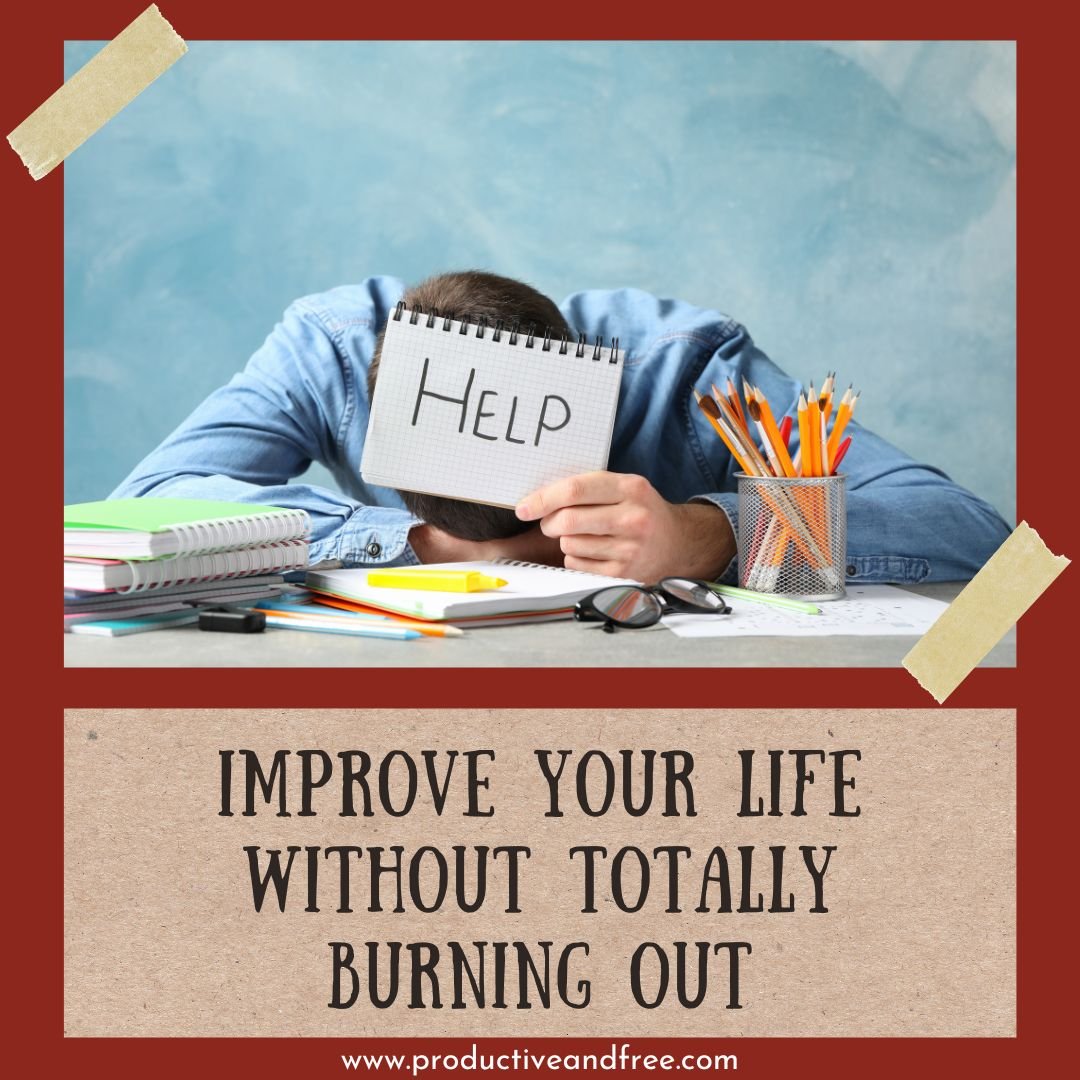
Start by decluttering your workspace. A tidy desk reduces cognitive load, allowing your brain to focus solely on the task at hand. Next, control digital distractions. Use apps like Freedom or Cold Turkey to block social media and non-essential notifications during deep work sessions. Even ambient noise can disrupt flow, so consider noise-canceling headphones or a white noise machine if you work in a noisy environment.
Lighting matters too. Natural light boosts alertness and mood, while dim lighting can make you feel sluggish. If natural light isn’t an option, opt for full-spectrum bulbs that mimic daylight. Temperature also plays a role—cooler rooms tend to enhance focus, while warmer spaces can make you drowsy.
Structuring Your Day for Peak Flow Windows
Not all hours of the day are created equal when it comes to flow. Most people experience peak cognitive performance in the morning, with a secondary peak in the early afternoon. Aligning your most demanding tasks with these windows can help you enter flow more easily and sustain it longer.

To maximize these windows, try the following:
- Morning Rituals: Start your day with a low-effort activity like journaling, stretching, or a short walk to ease into focus. Avoid checking emails or social media first thing—these can derail your mental state before you even begin.
- Time Blocking: Dedicate 90-minute blocks to deep work, followed by 20-minute breaks. This aligns with the natural ultradian rhythms of your brain, which operates in 90-minute cycles of high and low alertness.
- Prioritize Deep Work: Reserve your peak hours for tasks that require intense concentration, such as writing, coding, or strategic planning. Save administrative tasks for when your energy dips.
Experiment with different schedules to find what works best for you. Some people thrive with a single long flow session, while others prefer shorter, more frequent bursts. The goal is to find a rhythm that feels sustainable.
The Role of Energy Management Over Time Management
Flow isn’t just about time—it’s about energy. Managing your energy levels is just as important as managing your schedule. Without adequate energy, even the best-laid plans for flow will fall flat.
Start by identifying your energy peaks and valleys. Are you a morning person or a night owl? Do you crash after lunch, or do you hit a slump mid-afternoon? Track your energy levels for a few days to spot patterns. Once you know your natural rhythms, you can schedule demanding tasks for when your energy is highest.
Incorporate energy-boosting habits into your routine:
- Hydration: Dehydration causes fatigue and brain fog. Keep a water bottle nearby and sip regularly.
- Nutrition: Eat balanced meals with protein, healthy fats, and complex carbs to sustain energy. Avoid heavy, carb-rich lunches that lead to crashes.
- Movement: Short bursts of physical activity, like a 10-minute walk or stretching, can recharge your brain and improve focus.
- Breathwork: Techniques like box breathing (inhale for 4 seconds, hold for 4, exhale for 4, hold for 4) can reset your nervous system and reduce stress.
Remember, energy management isn’t about pushing through fatigue—it’s about working with your body’s natural rhythms to sustain flow without depletion.
Breaking the Myth of the “Always-On” Productivity
Society glorifies the idea of working nonstop, but this mindset is a fast track to burnout. True productivity isn’t about how many hours you put in; it’s about how effectively you use those hours. Flow is a finite resource, and treating it as such is key to longevity.
Set boundaries around your work. This might mean turning off notifications after 7 PM, scheduling regular digital detoxes, or taking a full day off each week. These boundaries aren’t just about rest—they’re about preserving your ability to enter flow in the first place.
It’s also important to recognize the signs of burnout before it’s too late. These might include chronic fatigue, irritability, decreased motivation, or a sense of detachment from your work. If you notice these symptoms, it’s time to reassess your approach. Sometimes, the best way to stay in flow longer is to step away entirely and return with fresh eyes.
Tools and Techniques to Extend Flow Without Burnout
Several tools and techniques can help you stay in flow longer while minimizing the risk of burnout. Here are a few worth experimenting with:
Pomodoro Technique: Work for 25 minutes, then take a 5-minute break. After four cycles, take a longer break (15-30 minutes). This keeps your brain fresh and prevents mental fatigue.
Flow Triggers: Identify what puts you in flow—whether it’s a specific playlist, a particular workspace, or a pre-work ritual. Recreate these triggers consistently to signal to your brain that it’s time to focus.
Mindfulness and Meditation: Regular meditation improves focus and reduces stress, making it easier to enter and sustain flow. Even 10 minutes a day can make a difference.
Accountability Partners: Share your flow goals with a colleague or friend who can check in on your progress. External accountability can motivate you to stay on track without overworking.
Progress Tracking: Use a journal or app to track when you enter flow, how long you sustain it, and what factors contribute to your success. Over time, you’ll identify patterns that help you optimize your flow sessions.
Final Thoughts: Flow as a Sustainable Practice
Staying in flow longer without burning out isn’t about forcing productivity—it’s about creating the conditions for it to happen naturally. By optimizing your environment, aligning your schedule with your energy levels, and respecting your limits, you can extend your flow sessions while safeguarding your well-being.
The goal isn’t to maximize every minute of every day; it’s to create a rhythm that allows you to perform at your best without sacrificing your health or happiness. Flow is a gift, but it’s one that requires care and attention to sustain. Treat it with the respect it deserves, and it will reward you with deeper focus, greater creativity, and a more fulfilling work life.
Leave a comment