


A battle-tested guide to reclaiming your attention from the digital vortex
The Modern Attention Heist: How Your Phone Steals Your Focus
Imagine your phone as a silent pickpocket, slipping into your pocket not to steal your wallet, but your most precious resource: your focus. Every notification is a tug on your sleeve, every app a siren’s call luring you into the depths of endless scrolling. The average person checks their phone 96 times a day—a habit that fragments attention into a thousand tiny shards, leaving little for what truly matters.
This isn’t just a personal struggle; it’s a societal one. Studies show that constant interruptions reduce productivity by up to 40%, turning deep work into a mythical beast we chase but rarely capture. The irony? We built these devices to serve us, yet they’ve evolved into masters of distraction, hijacking our brains with dopamine-driven rewards. The first step to regaining control is recognizing the enemy—not the device itself, but the way it manipulates our psychology.

The Dopamine Trap: Why Your Brain Loves Distraction (And How to Outsmart It)
Every time you unlock your phone, you’re playing a high-stakes game of chance. Will you check one message and return to work? Or will you dive into the black hole of social media, emerging 20 minutes later with no memory of how you got there? The culprit is dopamine, the neurotransmitter that rewards you for seeking new information. Your brain isn’t lazy—it’s addicted to the rush of novelty.
Breaking free requires rewiring this habit. Start by acknowledging the trigger: boredom, stress, or even the mere sight of your phone. Then, replace the reflex with a healthier alternative. Keep a book on your desk, a notebook for jotting ideas, or even a fidget toy to occupy restless fingers. The goal isn’t to eliminate dopamine entirely—it’s to redirect it toward activities that align with your long-term goals, not the whims of an algorithm.
Design Your Digital Environment: The Art of Intentional Distraction-Proofing
Your phone is a master of deception, masquerading as a productivity tool while secretly undermining your focus. The solution? Treat it like a wild animal—respect its power, but never let it roam freely. Start by decluttering your home screen. Remove apps that don’t serve a clear purpose, and group the rest into folders labeled by function (e.g., “Work,” “Health,” “Creativity”). This isn’t about deprivation; it’s about curation.
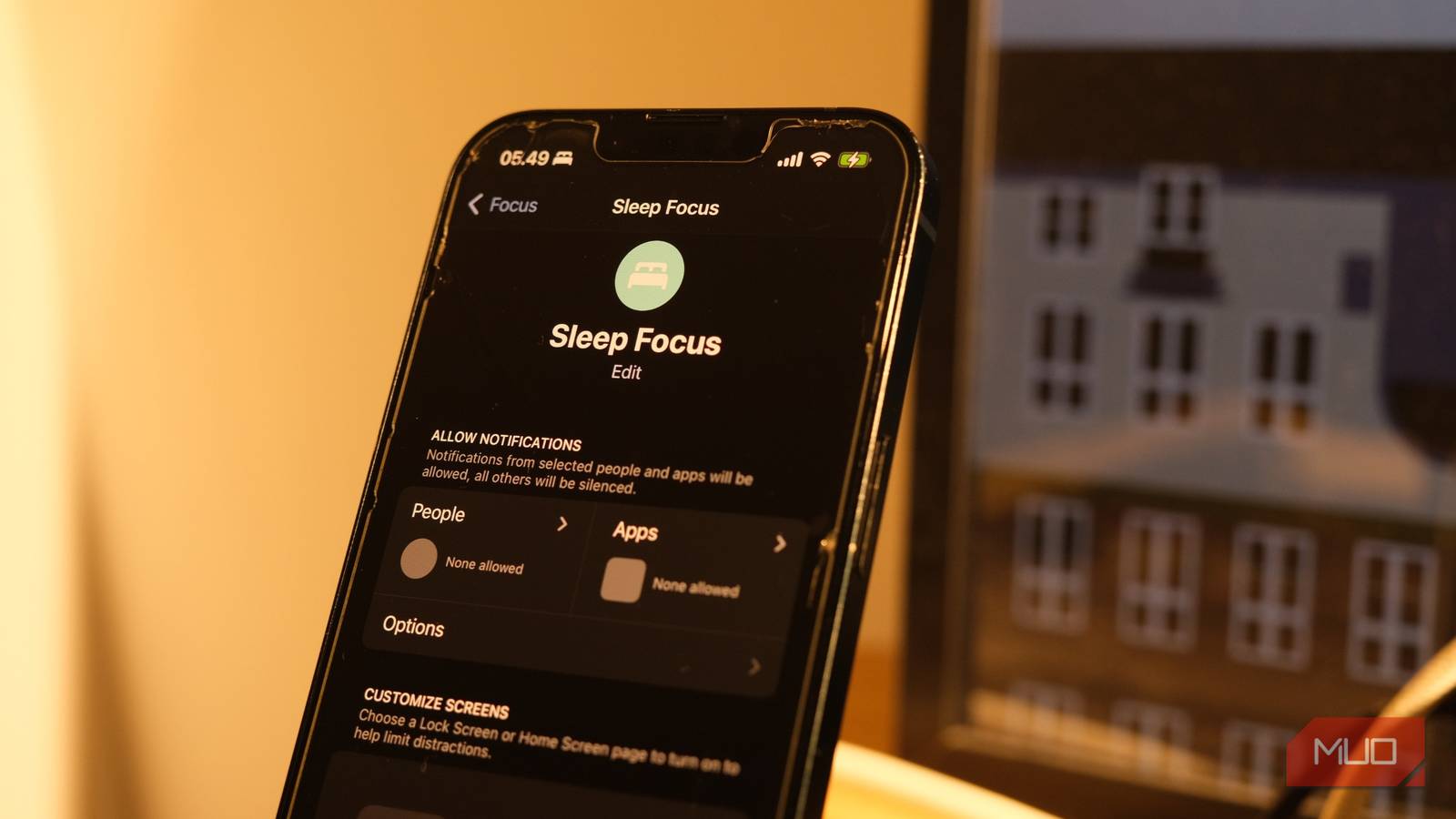
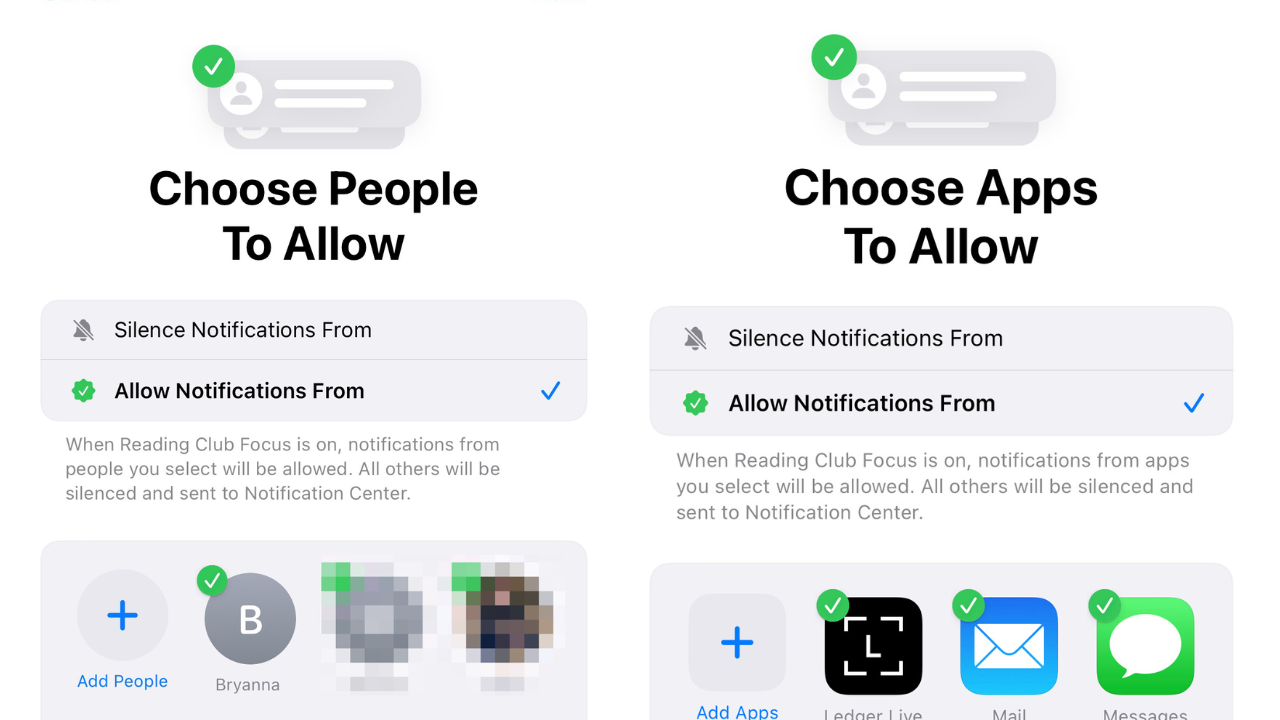
Next, leverage the tools your phone already provides. Most devices now include “Focus Modes” or “Do Not Disturb” settings that silence non-essential notifications. Customize these modes for different contexts—work, sleep, or deep focus sessions. The key is specificity: if you’re studying, block social media entirely. If you’re working, mute personal messages. The less your phone knows about your intentions, the less it can derail them.
For an extra layer of defense, consider grayscale mode. By removing color, your phone becomes visually dull, reducing its allure. It’s a subtle hack that turns your device from a vibrant playground into a gray, uninviting slab of plastic.
The Power of Rituals: How Small Habits Reclaim Your Attention
Focus isn’t just about willpower—it’s about systems. Rituals create boundaries that protect your attention from the chaos of the digital world. Start with a “pre-work ritual”: before diving into a task, spend two minutes organizing your workspace, setting a timer, and silencing your phone. This signals to your brain that it’s time to shift into focus mode.
Another powerful ritual is the “phone jail.” Designate a specific spot for your device—far from your workspace—and only allow yourself to check it during scheduled breaks. The physical separation reinforces the mental boundary, making it easier to resist the urge to grab it “just for a second.” Over time, these rituals rewire your brain to associate deep work with intentionality, not distraction.
Don’t underestimate the power of analog tools, either. A simple notebook or a whiteboard can replace the need for digital reminders, reducing screen time and keeping your attention anchored in the physical world. The less you rely on your phone for minor tasks, the less it demands your attention.
When All Else Fails: The Nuclear Option for Extreme Distraction
Sometimes, the only way to win the battle is to leave the battlefield entirely. If your phone is a constant source of temptation, consider extreme measures: delete social media apps, use a dumbphone for calls only, or even lock your phone in a drawer during critical hours. These aren’t acts of surrender—they’re strategic retreats.
For those who need structure, apps like Freedom or Cold Turkey can block distracting websites and apps for set periods. Pair this with a accountability partner—someone who checks in on your progress—to add an extra layer of commitment. The goal isn’t to live in a digital-free bubble but to create a sustainable balance where your phone serves you, not the other way around.
Remember, the goal isn’t perfection. It’s progress. Every time you resist the urge to check your phone, you’re strengthening your focus muscle. Every ritual you establish is a brick in the wall that protects your attention. And every moment of deep work is a victory in the war against distraction.
Leave a comment