


The Brainstorming Method That Never Fails
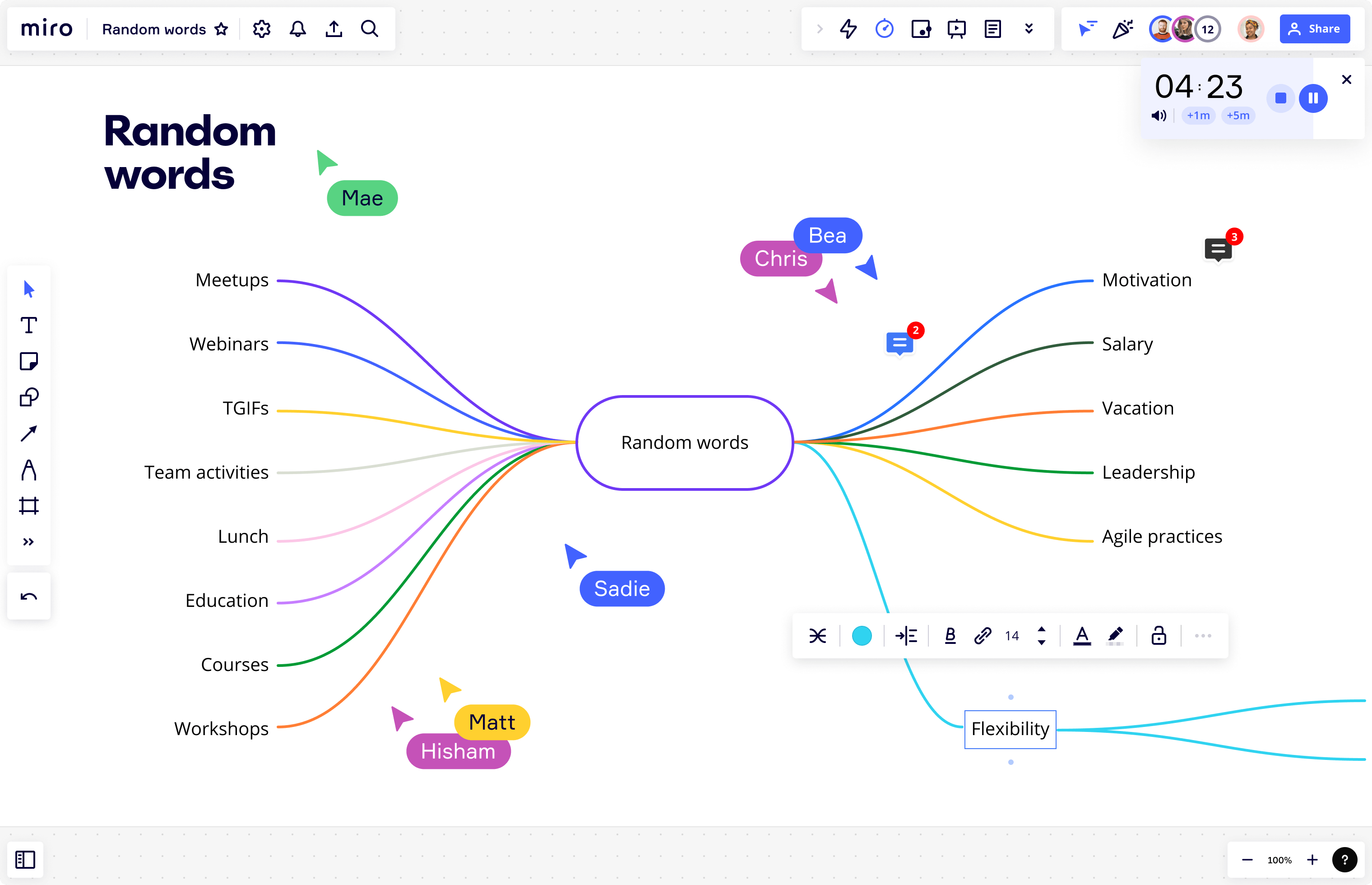
In the pantheon of creative productivity, few rituals are as simultaneously worshipped and cursed as the group brainstorm. It is the sacred cow of startup culture, the first refuge of the blocked writer, and the maddening black hole of the corporate meeting room. We have all been there: standing before a whiteboard, dry-erase marker in hand, while a room of well-intentioned people shout “blue sky” ideas into the void, only to produce a list of clichés that feel somehow both over-caffeinated and utterly exhausted. The promise is lightning in a bottle; the reality is often a fog of conflicting egos, social anxiety, and the quiet tyranny of the loudest voice. Yet, the need for novel solutions has never been greater. So, how do we reconcile the necessity of ideation with its frequent failure?
The answer lies in a quiet reframing. Most brainstorming fails not because of a lack of creativity, but because it mistakes an open faucet for a working engine. It idolizes flow at the expense of friction. The method that never fails is not a technique for generating more ideas, but a system for surviving the collision of them. It is a method that treats the mind not as a volcano that must erupt, but as a sail that must be trimmed. Let us call it The Convergence Method—a structured dance of divergence and deliberate limitation.
The Problem with the Open Field
The classic instruction—”No bad ideas!”—is a lie dressed in motivational clothing. In an infinite, unconstrained space, the brain flounders. Without a wall to push against, there is no leverage. The Convergence Method begins by building that wall. Before a single sticky note is touched, the group must define a precise, almost painful constraint. This is not a problem statement like “How can we grow sales?” That is a sky with no horizon. Instead, choose a constraint that feels like a straitjacket. For example: “How can we double sales using only our existing customer base, while reducing the marketing budget by 50%?” This isn’t limiting; it is focusing. It turns a passive brainstorm into an active puzzle, forcing the mind to find cracks in the concrete rather than wandering a featureless plain.

The unique appeal of this approach lies in its violation of every standard rule. It demands that you starve yourself of oxygen to learn how to breathe. By aggressively narrowing the aperture, you create the very pressure that inspires breakthrough. A wide river meanders. A narrow river cuts canyons.
The Silence Before the Storm
Once the constraint is set, the next step is a deep, unnatural silence. The Convergence Method insists on a mandatory period of independent, written ideation before anyone speaks. For ten to fifteen minutes, each participant works in isolation, generating their own list of solutions. This is not a suggestion; it is a non-negotiable law. The reason is psychological. In group conversation, we are neurologically wired to mirror the first speaker. The first idea, even if mediocre, becomes the anchor. Independent writing breaks that anchor. It forces the quietest person in the room to have the same volume as the loudest. It protects the fragile, nascent thought from being trampled by the confident, half-formed opinion.
This phase feels awkward. The room gets tense. Your pen might hover, waiting for a spark. That tension is the wind in the sails. The method thrives on it. When the silence is finally broken, the ideas entered into the arena are not the result of social conformity, but of personal wrestling. They are sharper, more diverse, and often more dangerous—and that is precisely where good thinking lives.
The Contradictory Crucible
Now comes the most counterintuitive part of the method: the active hunt for flaws, not praise. After the pool of independent ideas is shared, the group does not cluster them by theme or vote on favorites. Instead, each idea is subjected to a structured adversarial review. The leader assigns a “Devil’s Advocate” for each concept, whose sole job is to find the five ways it will fail. This isn’t a bloodletting; it is a quality check. A truly robust idea, when attacked, does not crumble—it reveals its hidden strengths. A weak idea, when defended, shows its cracks immediately.
This step transforms the brainstorm from a popularity contest into a precision instrument. It mimics the evolutionary process: your ideas must survive a hostile environment to be considered viable. The fluff is burned away. What remains is small, dense, and potent. The room stops celebrating quantity and begins to respect resilience.
The Single Survivor
The final, most brutal act of the Convergence Method is the vote. But it is not a dot-vote or a simple show of hands. It is a ranked-elimination vote conducted in silence, where each participant must argue for a single idea to live and all others to die. They must write a one-sentence justification for why their chosen idea is the only one that matters. The group then reads these justifications aloud. Inevitably, a single idea emerges that survives every attack and earns the most compelling defense.
This is not about compromise. It is about clarity. The method forces the group to leave the safety of possibility and commit to a singular path. It honors the act of choosing. The result is not a long list of “maybe later” items that gather dust. It is one concrete, actionable, pressure-tested concept that the team collectively owns. The brainstorming session ends not with a sigh of relief, but with the sharp click of a decision being made.

In a world obsessed with infinite possibility, the method that never fails is the one that introduces necessary limits. It is the quiet, disciplined engineer standing in the roaring room. It does not promise more ideas. It promises the right one. And in the end, that is the only thing that matters.
Leave a comment