


The Unseen Leverage of Effective Dialogue
We often mistake productivity for a solitary pursuit—a hermit’s discipline of spreadsheets, focus apps, and pristine calendars. Yet, the most profound productivity gains are rarely found in the quiet of a single mind. They are discovered in the friction and harmony of two voices. The observation is universal: teams bogged down by misunderstandings move slower than teams that communicate with brutal clarity. But the deeper fascination lies not in the fact that talking helps, but in *how* specific communication choices act as a master key, unlocking hours of wasted energy. To understand this is to realize that every poorly phrased email and every vague directive is not just a social misstep; it is a direct tax on the collective clock.
The Architecture of Clarity: Beyond “Yes” and “No”

The first lever of productivity-enhancing communication is the rejection of ambiguity. In a professional setting, vagueness is a time parasite. A manager who says, “Get this done soon,” has inadvertently created a vortex of confusion. “Soon” can mean five minutes to an anxious employee or three weeks to a relaxed one. The productivity boost comes from a deliberate shift: replacing subjective language with objective, measurable specifics. This is the difference between “Handle the client feedback” and “Review the feedback document, compile the three top complaints, and email them to me by 3 PM Tuesday.” The latter creates a mental model of the task that requires zero guesswork. It removes the cognitive overhead of interpretation, allowing the brain to move directly from understanding to execution. In a world where attention is the scarcest resource, clarity is the ultimate time-saver.
Active Listening: The High-Resolution Capture
We often equate communication with speaking, but the highest-leverage skill is listening—specifically, active listening. This is not passive hearing. It is a dynamic, data-gathering process. Consider a project meeting where two team members are talking past each other. The productivity loss is not just the wasted meeting time; it is the cascading errors that follow from a flawed foundation. Active listening demands that you capture the core need behind the words. It requires you to ask, “What I’m hearing is that your concern is about the deadline, not the workload. Is that accurate?” This simple rephrasing can collapse hours of potential back-and-forth. It builds a high-resolution image of the problem in the listener’s mind, drastically reducing the need for rework. When teams practice this, they stop solving the wrong problem. They stop manufacturing unnecessary tasks. The result is a workflow that is lean, precise, and devastatingly effective.
The Frame of Feedback: Reframing Error as Data

Few things kill productivity faster than a culture of fear. When people are afraid to admit mistakes or ask for help, they waste hours trying to fix problems alone or covering up errors that snowball into catastrophes. The antidote is a specific framing of feedback that divorces the action from the identity of the person. Instead of saying, “You missed the deadline,” a productive communicator says, “The deadline was missed. What blocker prevented us from meeting it?” This semantic shift is not just politeness; it is a structural change in how the team processes information. It turns a potential blame session into a root-cause analysis. It transforms error from a mark of shame into valuable data for system improvement. When feedback is framed as a tool for optimization rather than a weapon of judgment, the speed of iteration increases exponentially. Bottlenecks are identified and removed because nobody has to waste energy defending their ego.
Written Precision: The Asynchronous Superpower
Email, Slack messages, and project documentation are the ghost in the machine of modern productivity. They either lubricate the engine or clog the gears. The most productive communicators treat every written word as a contract. They use the “bottom line up front” (BLUF) structure, placing the ask, the decision, or the conclusion in the very first sentence. This allows the reader to process the core information in seconds, rather than digging through three paragraphs of context. Furthermore, they employ hyper-specific subject lines and clear action items. Consider the productivity chasm between a message titled “Update” and one titled “Decision Needed by 3 PM: Choose Vendor A or B for Q3 Campaign.” The latter saves the recipient the cognitive load of deciding what to do with the information. It hands them a pre-sorted task. Over a week, these micro-savings accumulate into hours of reclaimed time.
Narrative for Alignment: The Why Behind the What
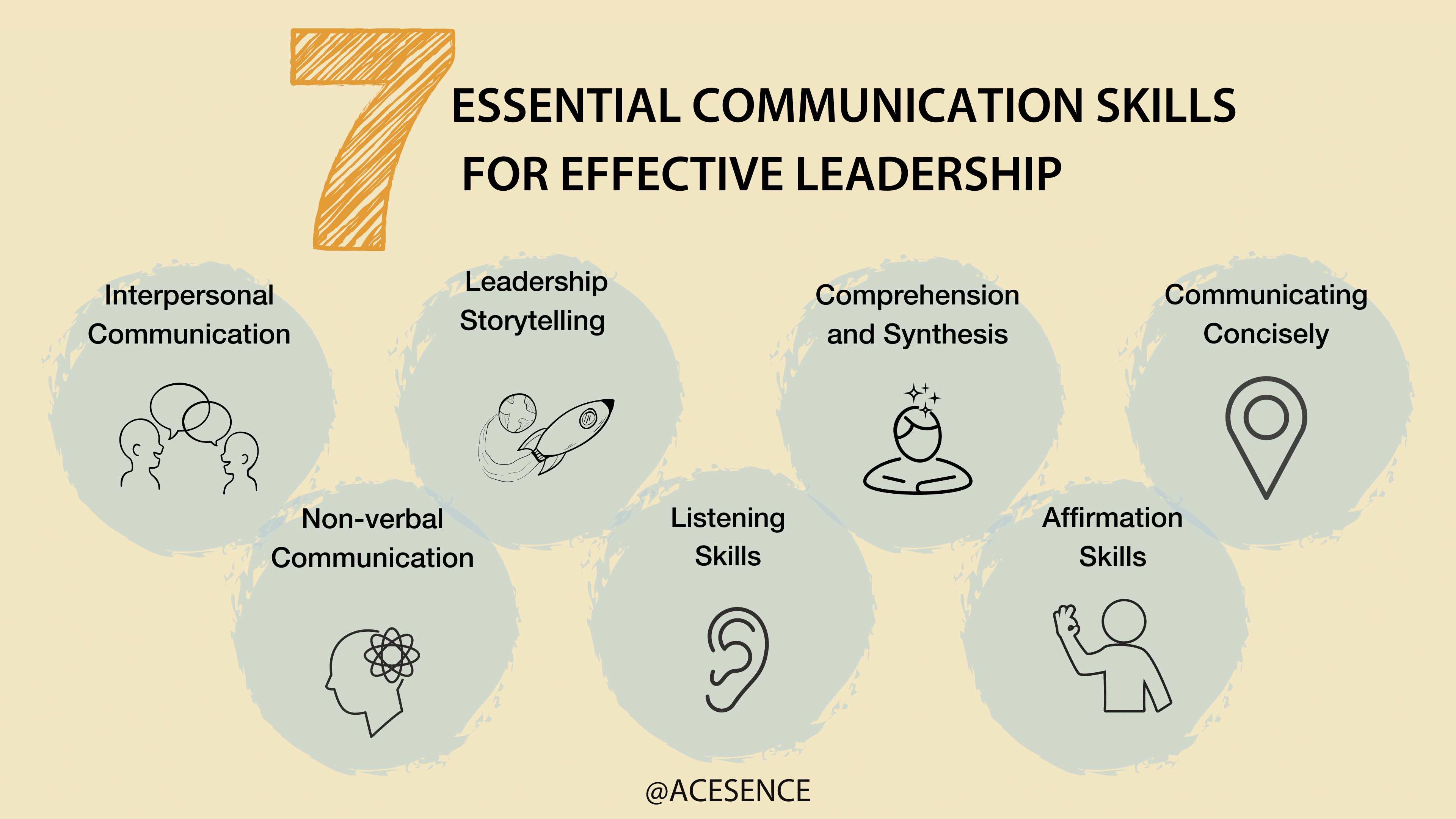
Finally, the most underestimated productivity driver is narrative. People are not robots that simply process instructions. They need a reason to move. A project that is communicated as a list of tasks will be executed with minimal enthusiasm and maximal friction. A project communicated as a story—”Our client is struggling with X, and this solution will free them to focus on Y, which is their true passion”—creates intrinsic motivation. This narrative alignment reduces the need for micromanagement. It allows team members to make independent decisions that are consistent with the overall goal, because they understand the “why.” This autonomy is a massive productivity multiplier. When communication moves from commands to storytelling, it builds a shared mental map. Everyone is not just doing their job; they are executing a vision. The result is a seamless, self-correcting system where productivity is a natural byproduct of purpose, not a goal in itself.
Conclusion: The Invisible Infrastructure
The skills of precise language, active listening, constructive framing, written discipline, and narrative alignment form an invisible infrastructure. They are the pipes and wires through which value flows. While most teams chase productivity hacks—new tools, better spreadsheets, stricter schedules—the truly efficient understand that the greatest bottleneck is not technology but clarity. A team that communicates with surgical precision will always outperform a team with superior tools but sloppy dialogue. The fascination, then, is not that communication helps, but that it is the very architecture of productive work itself. Master it, and you do not just work faster; you work smarter, with less drag, more momentum, and a profound sense of shared direction.
Leave a comment