


The Unseen Costs of Constant Connection
We have traded presence for pings, contemplative silence for a ceaseless stream of thumb-scrolling. The digital environment, for all its marvels, has engineered a subtle crisis: our attention has been commodified, parceled out in six-second increments to the highest algorithmic bidder. You feel it as a low-grade hum of anxiety, the phantom vibration in your pocket, the reflexive check for a notification that reveals nothing new. This is not a weakness of will. It is a design flaw in the very architecture of our lives. The anxiety you feel is the price of a system optimized for engagement, not for your flourishing.
The path forward is not a Luddite retreat to the analog. It is not about smashing your smartphone or renouncing the internet. That is a fantasy of escape, not a sustainable strategy for living well. The true desire that sits unspoken behind the wish to “unplug” is something far more potent: it is a hunger for sovereignty over your own mind. You want to choose what deserves your attention, rather than having it stolen moment by moment. This is the promise of a new approach—a deliberate, intentional framework for using technology as a tool, not as a master.
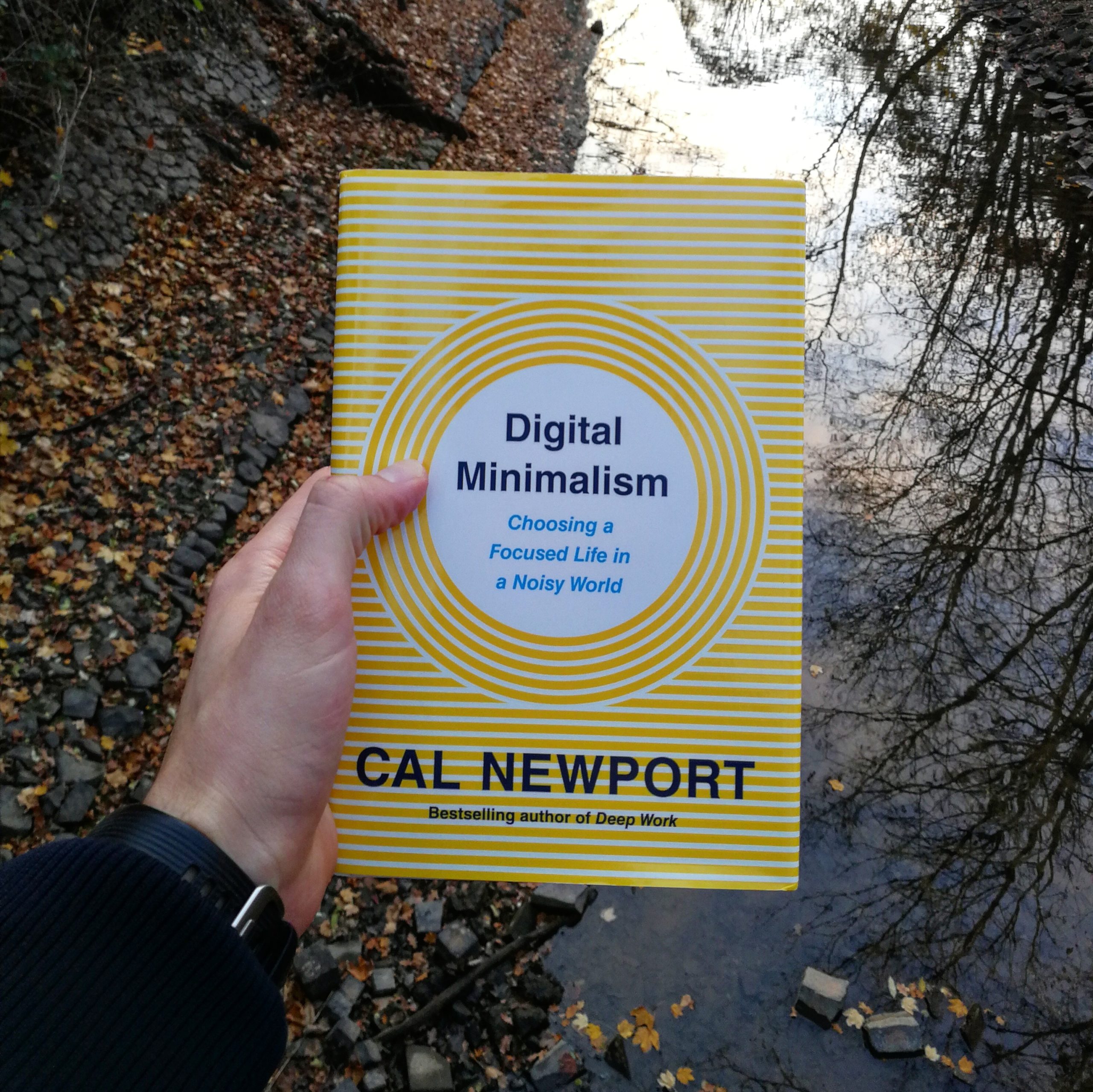
Why Abstinence Fails and Intentionality Prevails
A common misconception is that digital minimalism is about subtracting until you are left with nothing. This is the common “digital detox”—a week-long fast that feels virtuous until the Sunday night emails come flooding back, and you are instantly deeper in the swamp than before. The problem with detox approaches is that they treat the symptom (overuse) without addressing the underlying vacuum. You do not need less technology; you need better reasons for using it.
The blueprint here operates on a different principle. It begins with a question that shifts the entire conversation: “What do I deeply value, and how can technology serve that?” Instead of asking “How can I stop checking Instagram?”, the more powerful question is “What meaningful activity would make the thought of checking Instagram feel like a waste of precious time?” This flips the script from a fight against your impulses to a building of a life so compelling that the noise recedes on its own. You stop fighting the current; you navigate with a different current entirely.
The Solitude Foundation
Every successful practice of digital minimalism rests on one non-negotiable pillar: the deliberate cultivation of solitude. Not loneliness—solitude is the generative state of being alone with your own thoughts without external input. It is the gap between songs on the playlist, the pause before you reach for your phone in an elevator. In a hyper-connected world, solitude has become a scarce resource, yet it is the birthplace of creativity, self-reflection, and emotional regulation.
The operational rule is simple: schedule at least one hour per day with zero screen access to any kind of informational input. No podcast. No audiobook. No music. No scrolling. You walk, you sit, you stare out a window, you fold laundry in silence. At first, the boredom will feel unbearable. Your brain, accustomed to the dopamine drip of constant novelty, will scream for a hit. This is not a problem. It is the entire point. In that discomfort, your mind begins to reorganize itself. It starts to generate its own ideas, to solve problems that have been lurking in the background, to simply *be*. This is the anvil upon which your new relationship with technology is forged.
The Three-Month Conversation Kill
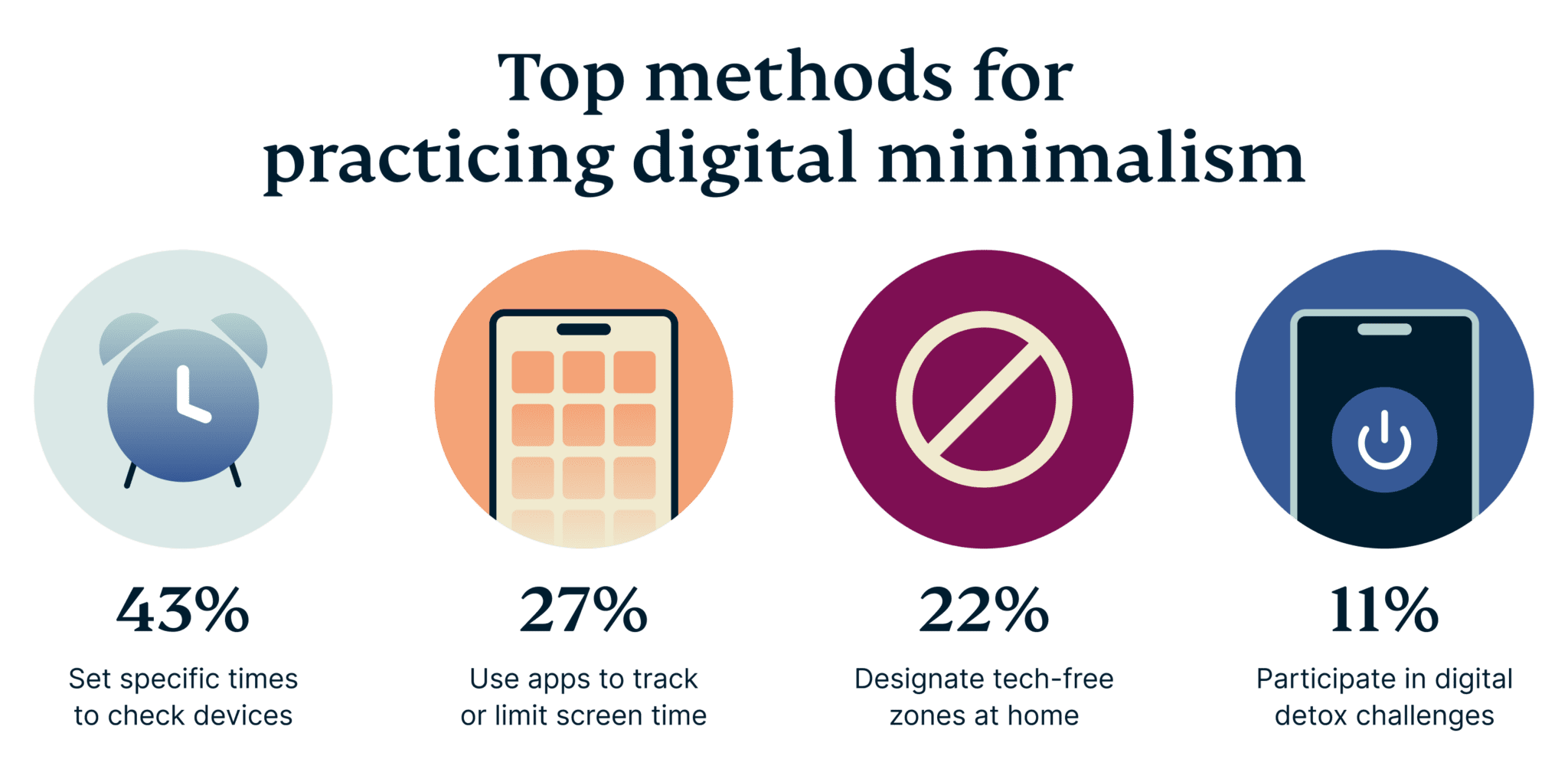
Once the foundation of solitude is set, the tactical phase begins. This requires a radical, temporary renegotiation of your digital relationships. Pick one type of digital communication that you suspect is hollowing out your attention—likely group chats, social media feeds, or push notifications from news apps. Announce to the relevant people that you will be unreachable via that channel for a full month. Then, delete the app or turn off the notifications. Do not “take a break.” Replace it with nothing for that time. Let the silence hang.
Here is the trick: the people who truly need to reach you will find a way. They will call. They will text your actual phone number. The rest? They were not conversations; they were ambient noise. After the month ends, you conduct an audit. Which of those services enriched your life? Which ones simply drained time and attention without providing anything of deeper value? You will be shocked at how few digital connections survive this filter. Those that remain are your true friends. The rest were just the digital equivalent of background chatter in a crowded room.
Intentional Leisure: Replacing Scrolling with High-Quality Engagement
The final, most subtle shift in the blueprint is redefining leisure. The default state of modern relaxation is passive consumption: watching a show, scrolling through feeds, browsing articles you will never return to. This leaves you feeling emptier than before you started. High-quality leisure is active: playing an instrument, building something with your hands, engaging in a complex conversation in person, reading a physical book that requires sustained attention, or learning a craft that produces visible, tangible results.
The principle is to favor activities that demand your full presence and produce a sense of flow—the state where time seems to dissolve. When you fill your “off” hours with such pursuits, the need for digital pacification evaporates. You no longer need to “kill time” because your time is already full of meaning. The smartphone becomes a tool you consult for specific tasks, not a pacifier you reach for during every empty moment. This is not austerity. It is the restoration of joy.

The Operating System for Attention
The Digital Minimalism Blueprint is not a set of rules to be followed rigidly. It is an operating system for your attention, a framework that adapts as your life changes. The result is not a perfect screen-free existence. The result is a life where you control the technology, not the other way around. You will find yourself arriving at conversations fully present, noticing the texture of the world around you, and rediscovering the pleasure of a thought that is wholly your own, uninterrupted by any chime. The anxious hum fades. In its place is a quiet, powerful clarity. You have not removed technology. You have restored yourself.
Leave a comment