


The Myth of Grinding
We have been sold a fable. The popular imagination paints the top performer as a figure of relentless exertion—the CEO sleeping four hours a night, the novelist churning out pages before dawn, the athlete training through injury. This image is a comforting lie. It suggests that if we simply push harder, sacrifice more, and embrace the pain of the hustle, we, too, can join their ranks. But this narrative collapses under the weight of its own absurdity. It does not account for burnout, nor for the simple biological reality of diminishing returns. The true secret of elite productivity is not about doing more; it is a careful, almost surgical, practice of doing less—and choosing that *less* with ruthless precision.
The Architecture of Attention
Imagine your focus as a finite resource, a pool of water. Most people spend their day drilling tiny holes into the bucket, letting the water leak out in a hundred different directions: checking email, scrolling social media, attending unnecessary meetings. The elite performer does not drill holes. They build a dam. They understand that attention is not just a skill; it is a fragile biological system that must be protected. The first habit, then, is not a time-management trick but an environmental revolution. They do not fight distraction with willpower; they design a world where distraction is physically impossible. The image below captures this reality—a workspace stripped of noise, a digital fortress where cognitive energy is conserved for the single, most important task.

The Counterintuitive Power of the Pause
If you examine the daily rhythms of top performers—be it an Olympic swimmer or a Silicon Valley founder—you will find a pattern that contradicts the grind-culture narrative: the deliberate, scheduled pause. This is not laziness. This is a deeply strategic act. After a period of intense, focused work (often no more than 90 minutes), the elite performer steps away completely. They walk. They stare at a wall. They allow the mind to enter a state of diffuse thinking. It is in these gaps, these quiet interstices, that the most profound connections are made. The brain, freed from the tyranny of input, begins to consolidate learning and generate novel insights. The habit is not about checking a box; it is about trusting the biological machinery that does its best work in the dark, underground, like roots of a tree.
The Monomaniacal Morning
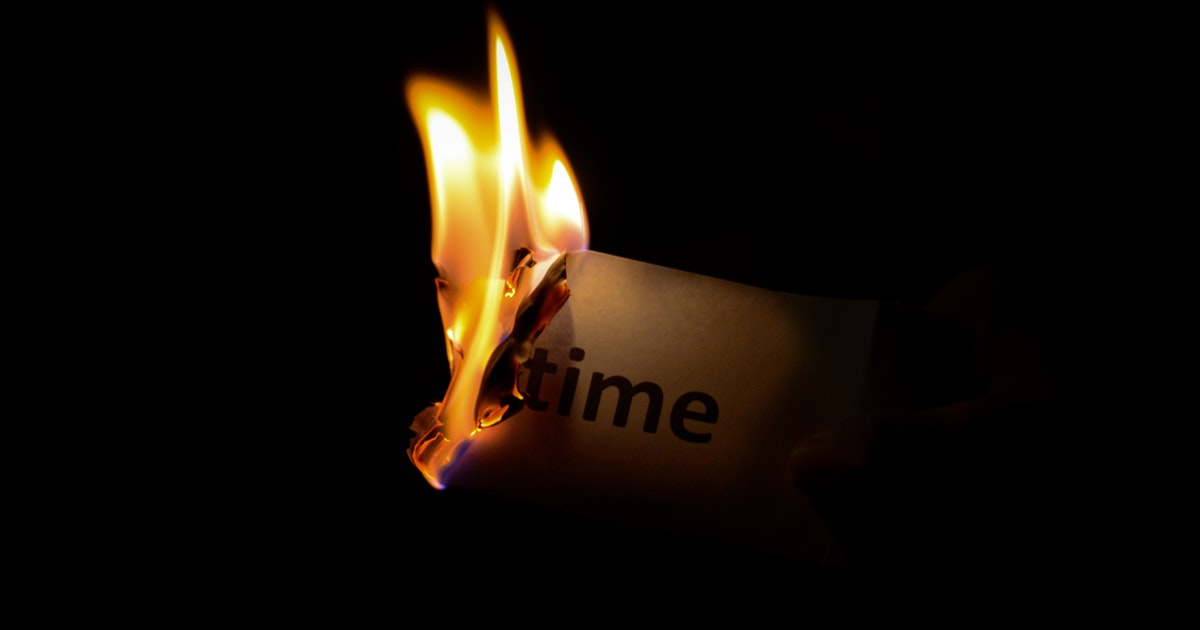
There is a reason every self-help book discusses the first hour of the day. The elite take this to an extreme that borders on the monastic. They do not open their phone. They do not scan the news. They do not take a peek at the stock market. Instead, they dedicate the first 60 to 90 minutes of the day to a singular, high-cognitive-load task. This is often the task that feels most difficult—the one they would most like to avoid. By attacking it before the world has a chance to demand their energy, they move from a reactive posture to a proactive one. The rest of the day becomes a series of manageable follow-ups, not a desperate firefight. The image below shows a morning routine stripped of digital clutter, preparing for focused work before the sunrise.
Aggressive Simplicity: The Art of the No
Productivity is not measured by how many things you do. It is measured by how many important things you finish. This leads to the most difficult habit of all: the ruthless, almost arrogant, refusal to say yes. The top performer understands that every yes is a no to something else. A yes to a low-priority meeting is a no to deep work. A yes to a social obligation is a no to creative energy. The habit is to practice aggressive simplicity: eliminate, automate, delegate, and then, for the few remaining items, do them with absolute focus. They have a “not-to-do” list that is longer and more carefully curated than their to-do list. They have realized that busyness is the opiate of the mediocre, a cheap substitute for meaningful impact.
Measurement Without Obsession
Finally, elite performers do not ignore data, but they do not worship it, either. There is a critical distinction between tracking for feedback and tracking for performance anxiety. The best track only a few key metrics—the things that matter—and they check them not to punish themselves, but to course-correct. They might review the number of focused hours spent on their core project, or the number of deep work sessions completed per week. They do not obsess over words written per minute or dollars made per hour in the short term. The measurement is a compass, not a whip. It gives them the permission to say, “I worked my hardest on the right things today,” regardless of the immediate, volatile outcome. This shift in perspective—from managing time to managing energy, from doing to choosing, from grinding to resting—is the true line that separates the exhausted from the exceptional.
Leave a comment