


The Myth of the Single Solution
For years, the productivity industry has peddled a seductive lie: that one perfect app, one rigid morning routine, or one obscure time-blocking method will unlock your potential. This promise fails because it ignores the fundamental truth of human cognition: we are not machines that run on a single operating system. A framework that works for a software developer in a silent home office will suffocate a project manager navigating open-plan chaos. The real need is not for a tool, but for a philosophy—a holistic productivity framework that adapts to the complex, varied ecosystems of modern work and life.
The Four Domains of Work
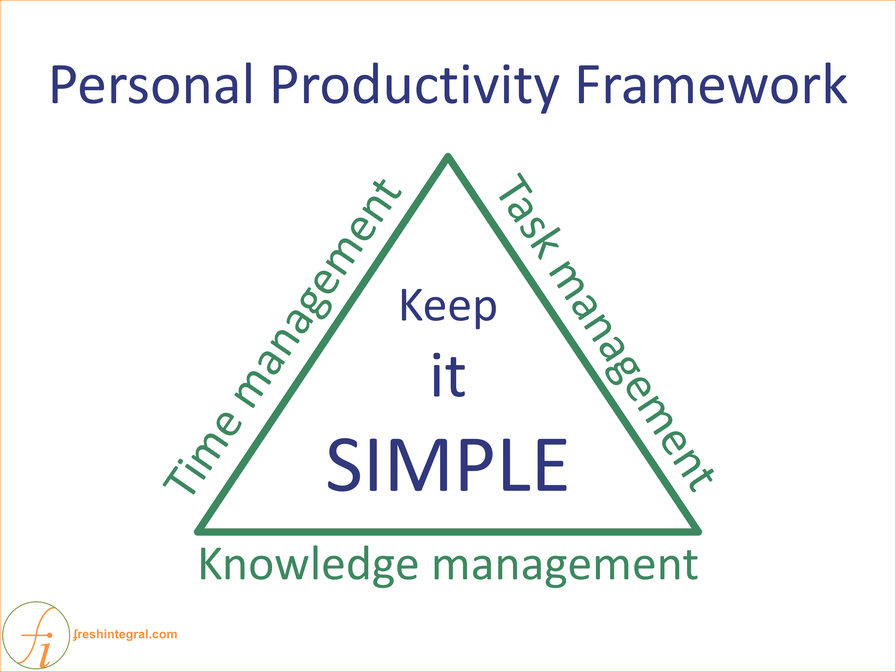
A truly holistic system recognizes that productivity lives at the intersection of four distinct domains: Knowledge, Energy, Structure, and Context. Knowledge is the raw material of what you need to know and recall. Energy is the biological fuel that determines whether you execute or procrastinate. Structure encompasses the calendars, lists, and workflows that channel your efforts. Context is the often-ignored variable of your physical and digital environment, as well as your role at any given moment. Most readers will have optimized one of these domains, perhaps using a sophisticated note-taking system for knowledge, but neglecting the fact that a depleted afternoon energy cycle renders that system useless. The holistic framework demands you audit all four simultaneously.
Your Task Environment Dictates Your Strategy
One of the most critical aspects of this framework is that you must abandon the idea of a “best” method. Instead, you need a portfolio of methods. The content you consume and the systems you build must be context-aware. When you are in a deep work phase, your system needs to minimize friction and maximize flow. When you are in a reactive management phase, it needs to handle rapid input and triage. When you are in a creative ideation phase, it needs to capture without judgment. The holistic productivity reader will learn to recognize these seasonal shifts in their work. For example, a Q1 strategic planning season demands different tools than a Q4 execution sprint. The framework does not prescribe a single technique; it teaches you how to diagnose your current context and select the appropriate approach from your toolkit.
The Art of “Second Brain” Curation
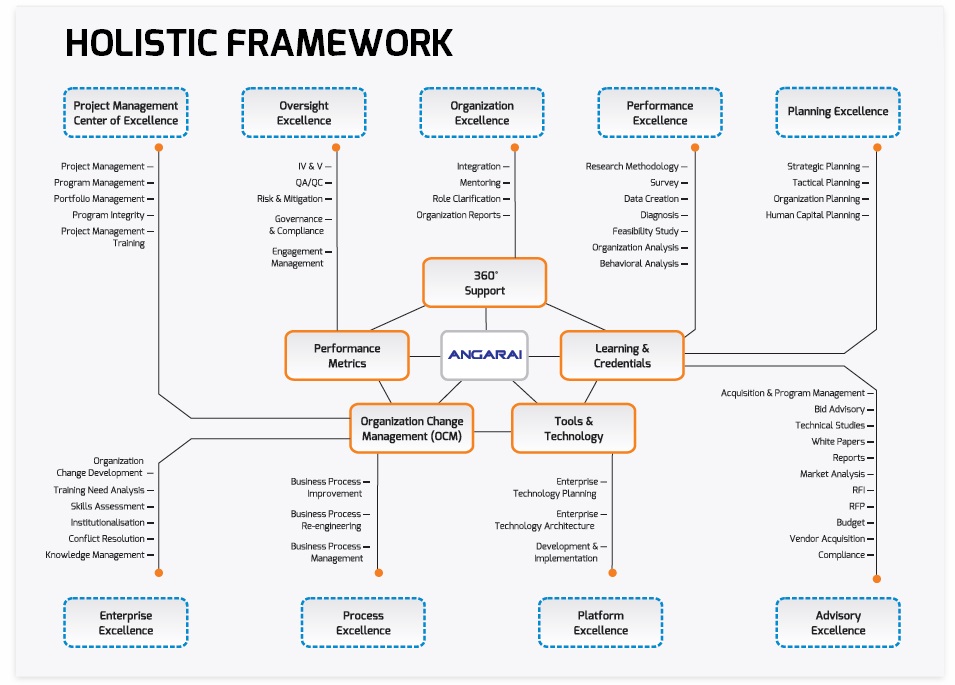
Central to any knowledge-intensive productivity system is the concept of the “second brain” — a personal knowledge management system. However, the holistic approach goes beyond mere capture. The content you curate must be stratified. You have your transient data (shopping lists, temporary phone numbers), your project-specific knowledge (meeting notes for a current client), and your evergreen wisdom (core principles, professional frameworks, personal values). A holistic reader will learn to build a system that does not treat a grocery list with the same reverence as a chapter from a book on systems thinking. The real art lies in the act of transformation: moving raw data from your field of awareness into a structured, retrievable, and actionable form. This requires not just a tool like Notion or Obsidian, but a deliberate practice of filtering, summarizing, and connecting ideas across different domains of your life.
Energy Management Over Time Management
Perhaps the most profound shift for the dedicated reader will be the move away from the tyranny of the clock and toward the sovereignty of energy. Traditional productivity is a game of hours: “I will work on X for three hours.” The holistic framework understands that three hours at 10:00 AM, when your cortisol is high and your mind is fresh, yields vastly different results than three hours at 3:00 PM, when the post-lunch dip hits. The content within this framework will teach you to map your ultradian rhythms—those 90- to 120-minute cycles of high focus. It asks you to chart your Peak, Trough, and Recovery periods. A reader using this framework will stop fighting their biology. They will schedule their most cognitively demanding tasks (analysis, writing, complex problem-solving) during their peak window, reserve administrative and shallow work for the trough, and use the recovery period for connection, learning, or physical movement. This is not laziness; it is strategic investment in your most finite resource.
Process Over Perfection
A structural pitfall even experienced productivity enthusiasts face is the obsession with the perfect system architecture. They spend weeks building complex dashboards, color-coded databases, and intricate automation sequences. This is what we call “productivity porn.” The holistic framework emphatically rejects this. It prioritizes the “Weekly Review” as the single most important process. No system, no matter how elegant, can survive a week of neglect without decaying into noise. The content you will encounter emphasizes that the system is only as good as the rhythm of maintenance you dedicate to it. You will learn to build a simple, brutal review cycle: Clear the inboxes. Process the captures. Update the priorities. Reflect on what you learned. This 30-minute weekly ritual is the heart that pumps blood through the arteries of your holistic framework. Without it, your knowledge base becomes a graveyard of good intentions.

The Integration of Creative and Analytical Work
Finally, a holistic productivity framework for the modern knowledge worker must bridge the false dichotomy between creative and analytical work. Many systems are binary: they are either rigid project management tools (good for execution, bad for inspiration) or sprawling mind maps (good for exploration, bad for deadlines). The framework you need provides a bridge. It recognizes that creativity requires unstructured space for incubation, while execution requires clear constraints. The reader will learn to build a system that has a “messy room” for brainstorming and a “clean desk” for delivery. The transition between these states is a skill in itself. You might spend the morning in a free-association session using a whiteboard and sticky notes, then translate the winning idea into a structured project with milestones and deadlines in the afternoon. The framework offers the templates and mental models to make this transition seamless, ensuring that the chaos of creation feeds the order of execution.
The journey to productivity is not about finding the one secret. It is about building a personal operating system that is fluid, context-aware, and kind to your human limitations. This is the holistic foundation upon which sustainable, meaningful work is built.
Leave a comment