


The Modern Workflows That Save You Hours
There is a quiet tyranny in the repetitive task. The morning email sift, the manual data transfer from spreadsheet to dashboard, the ritual of organizing files into folders that will likely never be opened again. These micro-actions accumulate, not as brutal, dramatic time-wasters, but as a steady, low-grade erosion of focus. We have all felt the vague, nagging sense that a significant portion of our day is spent not on the work we were hired to do, but on the digital housekeeping required to support it. The fascination with modern workflow tools is not simply about efficiency; it is about reclaiming the cognitive space necessary for deep thought and genuine creation.
The Fragmented Day as the Default State
Before examining solutions, one must acknowledge the nature of the problem. The average knowledge worker toggles between applications dozens, if not hundreds, of times per day. Each switch incurs a “context-switching tax”—a mental cost that feels negligible in isolation but compounds into a significant drain on willpower and productivity. This fragmentation has become so normalized that we often mistake frantic activity for meaningful output. The modern workflow is not a luxury; it is a structural response to this chaos. It recognizes that the human brain is ill-suited for relentless interruptions and is optimized instead for sustained, linear attention. By deploying automation and centralized systems, we are not merely saving minutes; we are preserving the intellectual stamina required for complex problem-solving.
The Architecture of a Smarter System
A truly effective workflow is not a single tool but an ecosystem. It begins with a clear audit of daily inputs and outputs. What information arrives, how is it processed, and where does it need to go? The architecture of a smarter system involves three core pillars: capture, process, and automate. Capture tools, such as universal inboxes or voice notes, ensure no idea or request slips through the cracks. Process frameworks, like the “Getting Things Done” method or Kanban boards, provide a systematic way to triage that information. Automation, then, becomes the invisible hand that moves tasks between these stages. For example, an accountant can automate the extraction of receipts from an email attachment, populate a spreadsheet, and generate a preliminary expense report — all without manual copying. The system does the lifting; the human does the interpreting.
Automation as a Cognitive Firewall
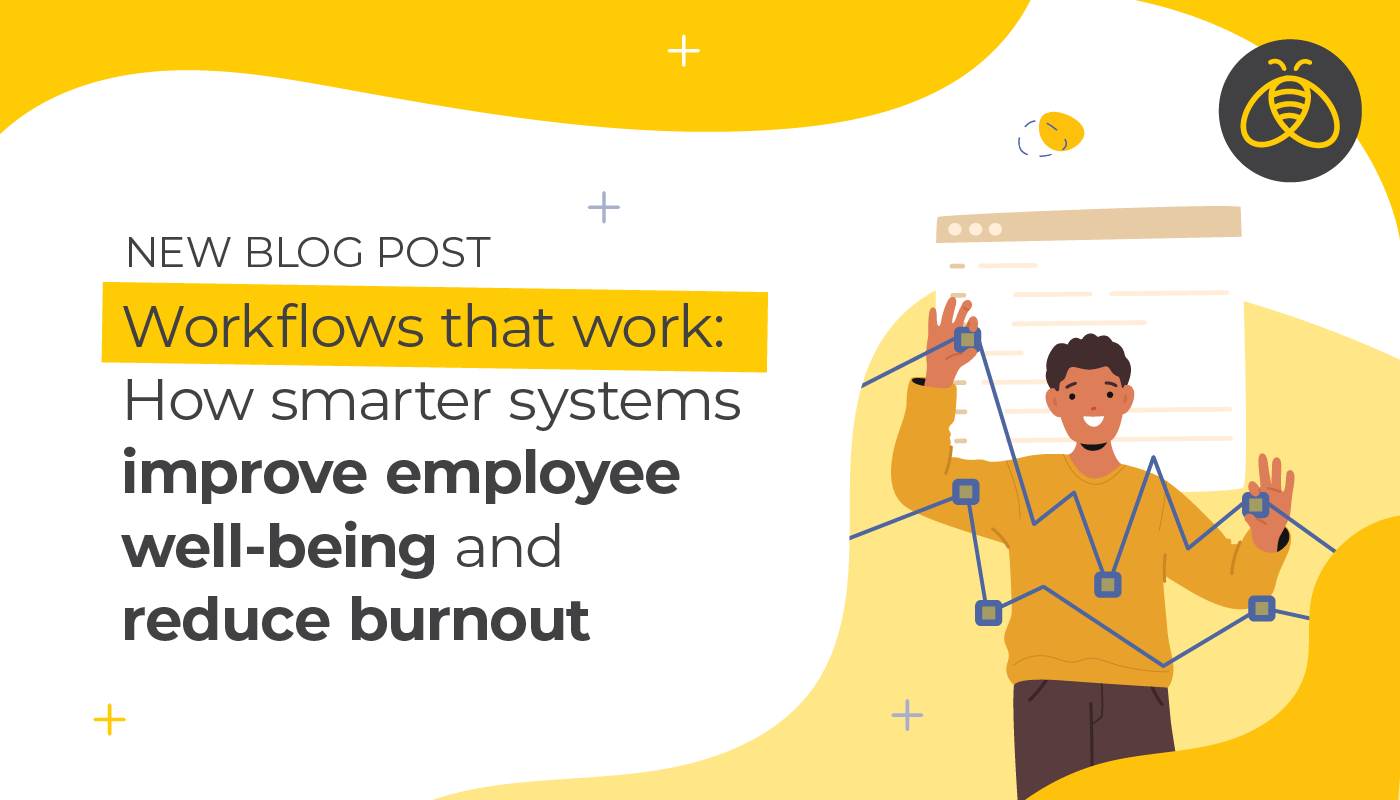
The deeper fascination with workflow automation lies in its psychological benefit. When you automate a repetitive task, you are building a firewall against decision fatigue. Each small decision—”Should I save this file here or here?” or “Did I remember to CC the client?”—depletes a finite reserve of energy. By committing these decisions to a script or a low-code integration, you free your mental resources for higher-order thinking. Consider the image of a workflow that not only saves hours but also reduces burnout. That is precisely the promise of modern workflow platforms. They allow you to design a day where the most draining, repetitive activities are handled silently in the background, leaving your best thinking for strategic work.
The 10-Hour Threshold: A Practical Reality
Claims of saving “10+ hours per week” are often met with skepticism, yet they are eminently achievable through a holistic approach. The math is simple: if a manual data entry task takes 15 minutes and occurs 10 times a week, that is 2.5 hours. Add in email triage (1.5 hours), report generation (2 hours), and client follow-up coordination (4 hours), and the total quickly surpasses 10 hours. Modern workflow tools—integrating email, calendar, project management, and CRM—can automate the data entry, schedule the follow-ups based on triggers, and generate the reports on a timer. The hours saved are not abstract; they are concrete, measurable time blocks returned to the worker for analysis, creativity, or simply a sustainable work-life balance.
How Workflows Save You Time: The Hidden Efficiency
The most profound time savings often come from workflows that you do not even notice. These are the invisible chains of logic: “If a ticket is marked ‘high priority’ and the client is a premium subscriber, then immediately notify the account manager and create a shared Slack channel.” This logic eliminates the delay between an event and a response. It also standardizes quality. A human might forget the step of notifying the account manager; a workflow never does. This reliability compounds trust. Teams that run on well-designed workflows spend less time clarifying, chasing, and checking. They simply do. The visual representation of such logic—a flowchart connecting triggers to actions—is a cognitive map that makes the abstract process of work tangible and optimizable.

The Narrative of Mastery Over Tools
Ultimately, the modern workflow movement is about more than hours saved. It is a narrative of mastery. In an era defined by information overload and digital noise, the ability to design a system that channels the signal and filters the noise is a form of control. The person who builds a workflow is no longer a passive recipient of tasks but an active architect of their own day. They are not fighting against the chaos; they are channeling it. This shift from reactive to proactive work is deeply satisfying. It transforms the daily grind into a strategic game of efficiency. The hours you save are not just time; they are the capacity to think, to create, and to engage with the work that matters most. And that is a fascination worth pursuing.
Leave a comment