


The Architect of Attention: Mastering the Invisible Habits of Self-Management
We live in the age of the open loop. A million half-finished thoughts, blinking notifications, and deferred decisions orbit our consciousness like debris in a forgotten orbit. Productivity, as it is commonly sold, is a frantic attempt to sweep this debris into a neat pile. But true, sustainable output is not a sprint; it is a careful act of architecture. The habits that elevate a person from busy to effective are not about doing more, but about constructing a resilient internal system. They are the load-bearing walls of a quiet, focused mind, the invisible blueprints that transform chaos into a cathedral of progress.
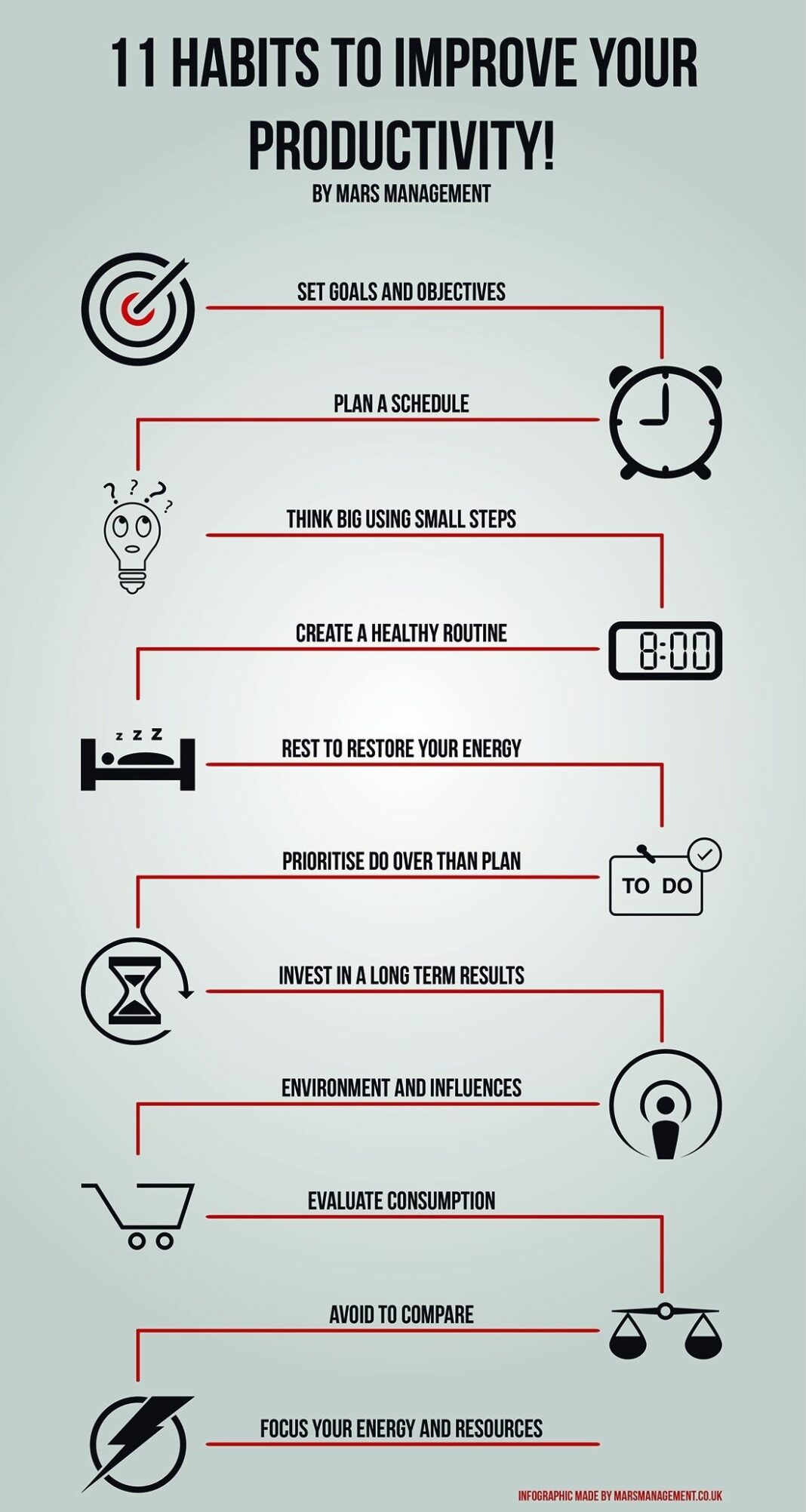
The Ritual of the Clean Slate: Decision Closure
The most corrosive drain on cognitive energy is the “open loop” — a task left undone, a decision postponed, a conversation left ambiguous. Your brain treats these like a background tab in a browser, slowly siphoning RAM. The first mastery of self-management is the habit of radical decision closure at the end of the day. This is not merely a to-do list; it is a psychological ceasefire. Spend ten minutes writing down exactly what you will do tomorrow, in a specific sequence. By externalizing tomorrow’s plan, you grant your subconscious permission to stop its chaotic rehearsal. You build a temporary bridge between today’s unfinished business and tomorrow’s fresh focus, allowing the mind to truly rest.
The Energy Map: Beyond the Clock
The clock is a tyrant that measures duration, not intensity. The second habit is the creation of an “Energy Map.” This requires a brutal audit of your own biology. For most, the morning is a high-vaulted cathedral of clarity; the afternoon, a swamp of lethargy. A self-managed professional does not fight this tide. They allocate the most complex, creative work — the drafting, the strategy, the uncomfortable conversations — to the high-energy windows. The low-energy troughs are reserved for maintenance: email filtration, data entry, or light reading. This habit is a form of intellectual jujitsu, using the physics of your own body to leverage maximum output with minimum friction. You stop asking “how long will this take?” and start asking “when is the best time for my brain to touch this?”

The Digital Fasting: Curation Over Consumption
We have been conditioned to treat every ping as a summons. The third pillar of self-management is the practice of scheduled digital fasting. This is not a monastic retreat from technology, but a sovereign declaration of boundaries. It is the decision to treat your time as a finite resource that must be curated, not merely consumed. Set specific, immutable blocks where the phone is face-down, the email client is closed, and the browser is locked to only one project. This creates a “deep work” sanctuary. In this space, the mind can stretch, stumble, and eventually sprint. The unique appeal of this habit is its counter-intuitive nature: by doing less in terms of connectivity, you experience more in terms of depth. You become a curator of your own attention, rather than a passive exhibit for the world’s demands.
The Pause Button: Strategic Boredom
Modern productivity dogma demands constant motion. Yet the fourth, most subtle habit is the embrace of strategic boredom. This is the deliberate, uncomfortable act of doing nothing for a set period—staring out a window, walking without a podcast, or sitting in silence after a completed task. This is not laziness; it is the crucible of insight. In the quiet hum of an unstimulated mind, connections are forged. The solution to the stalled project arrives. The creative leap happens exactly because you are not trying to force it. This habit highlights the unique truth that the mind is a muscle that grows stronger not just by lifting, but by resting and recovering between sets. It is the defiance of the dopamine drip, a quiet rebellion against the tyranny of the “always-on” culture.

The Cadence of Reflection: The Weekly Review
The final keystone is the cadence of reflection. Productivity without a feedback loop is merely motion. The habit of the weekly review—a dedicated, 30-minute block every Sunday—acts as the compass. This is not a grim autopsy of failure, but a gentle recalibration. Ask three questions: What worked? What drained me? What can I protect next week? This practice turns you from a passenger in your own life into the pilot. It converts raw experience into usable wisdom. Over time, this single habit sharpens all the others. It reveals the specific energy leaks. It exposes the meetings you should decline. It protects the deep work blocks from erosion. It is the quiet, consistent act of looking backward so that you can move forward with precision, not just speed.
In the end, self-management is not a set of tricks. It is a philosophy of stewardship. You are the steward of a single, remarkable mind. These habits—of closure, of energy awareness, of curation, of deliberate stillness, and of reflective review—are the tools you use to build a life of intentional work. They are the quiet, load-bearing walls against which the storm of modern life breaks, leaving you standing, focused, and free.
Leave a comment