


What If Your Worst Enemy in Habit Formation Is… You?

The scene is familiar. You decide, with the ferocity of a general planning an invasion, that Monday is the day. The alarm will ring at 5:30 AM. The running shoes will be laced. The kale will be chopped. By the second week, the alarm is snoozed until 6:45, the shoes are returning dust to the closet floor, and the kale is a sad, wilting memory. You ask yourself: Why can’t I just stick with it?
The answer, as uncomfortable as a pebble in your shoe, is rarely a lack of willpower. The culprit is usually the architecture of the attempt itself. We treat habit formation like a sprint, when it is an exercise in engineering—a recalibration of your daily environment and internal expectations. The failure isn’t personal; it’s structural. But before you surrender to a life of chaotic impulse, consider this: the fix is often smaller, quieter, and more forgiving than you imagine.
The Architecture of Ambition: Why Your Plan Is Too Grand
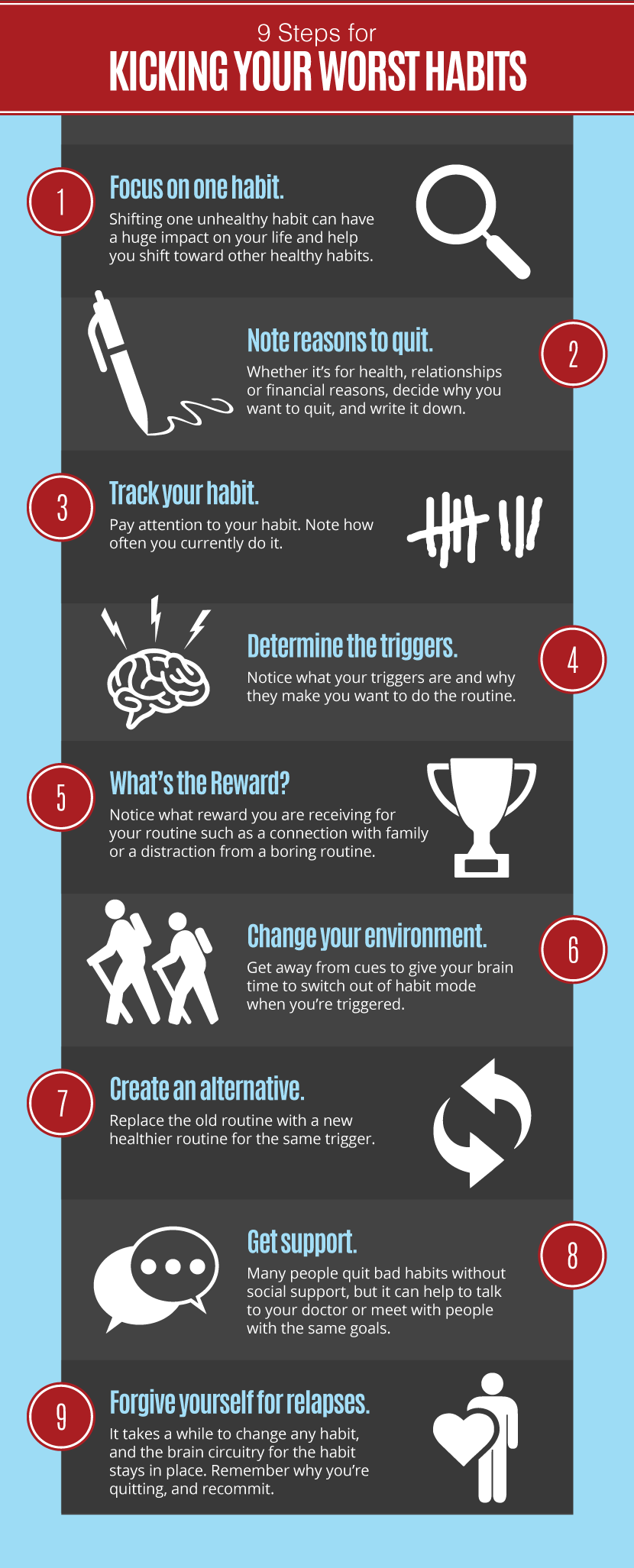
Most habits fail because the initial design is a monument to optimism. You decide to read fifty books this year, meditate for an hour daily, and run a marathon by spring. This is not a habit; it is a hostage situation for your free time. The brain, a creature of deep evolutionary laziness, sees this incoming workload and immediately triggers a flight response. The neural pathways that craved routine are instead flooded with cortisol.
The architecture you built is brittle. It relies on pristine conditions: a quiet house, unlimited energy, and a flawless mood. When reality intrudes—a late meeting, a sick child, a rainy morning—the entire edifice crumbles. The key is to design for friction, not for fantasy. A habit that requires a twenty-minute commute to a gym is a habit built on sand. A habit that exists on a yoga mat next to your bed is a habit built on granite. The challenge is not to do more, but to lower the cost of entry to almost zero. Your brain doesn’t need a grand plan; it needs a first step that feels embarrassingly easy.
The Seduction of Motivation: Why You Can’t Rely on a Feeling
We are taught to chase motivation. We wait for the lightning bolt of inspiration to strike—that perfect morning where the sun is golden, the coffee is just right, and the spirit is willing. But motivation is a weather system, not a foundation. It is unreliable, fickle, and prone to sudden squalls of procrastination. Defining your habit strategy by how you feel today is like piloting a ship by the current mood of the clouds.
Busy people, in particular, fall into this trap. They believe that once they feel “ready” or “less stressed,” they will finally form the habit. This is a wait that never ends. The solution is to decouple action from emotion. You do not go for a run because you feel like it; you go because the shoes are on your feet and the door is three steps away. You write one sentence not because you are inspired, but because the blank page is open. The habit is not a performance; it is a contract with your previous self. The emotional high—or the mental fatigue—is irrelevant. The only variable that matters is whether you performed the action. Over time, the action itself generates the motivation, not the other way around. It is a clumsy, backward dance, but it is the only one that gets you to the dance floor.
The Identity Trap: Mistaking an Aspiration for an Action
Here is a subtle but devastating error: confusing the identity you want with the action you need. Saying “I am a runner” feels powerful, but it is a static label. It does nothing to get you out of bed on a frigid Tuesday morning. The label creates a gilded cage of expectation. If you miss a run, the failure feels existential: you are not a runner after all. The identity becomes a judgment, not a guide.
The fix is to invert the process. Do not claim the identity and then try to live up to it. Instead, perform the small actions and let the identity form as a byproduct. You do not become a writer by buying a leather notebook and declaring yourself one. You become a writer by writing 200 terrible words every day for six months. The identity is a ghost that follows the action, never leads it. When you tie your self-worth to the tiny, repeatable behavior—the single push-up, the one page, the minute of silence—the habit becomes a collection of small victories. The pressure to be “consistent” melts away. You are not a failure of character; you are simply a person who skipped one day. And tomorrow, the small action is still there, waiting, without judgment.
The Forgotten Catalyst: Environment Over Willpower
The most common habit killer is a misplaced trust in the muscle of willpower. We imagine ourselves as heroic figures, staring down temptation with steely resolve. In reality, willpower is a depletable resource, like a phone battery that drains slowly throughout the day. By 8 PM, after a day of decisions, your willpower is often sitting at 2%. Asking it to resist a cookie or force a workout is a cruel and futile request.
The hidden antidote is environmental design. Do not argue with your future self; trick them. If you want to drink more water, place a full glass on your keyboard before you leave the office. If you want to stop scrolling social media, delete the app from your home screen and bury it in a folder labeled “Tax Files.” Make the bad habit hard to reach and the good habit impossible to avoid. The room is the real gatekeeper. You can exhaust yourself fighting for discipline, or you can simply rearrange the furniture. The habit that succeeds is not the one you fight for, but the one you trip over. The path of least resistance is the path you will walk. So pave it with good intentions—then good intentions become good actions, repeated until they forget they were ever hard.
Leave a comment