


Ever found yourself staring at a dataset, wondering if the patterns you’re uncovering might one day be wielded like a double-edged scalpel—slicing through privacy, fairness, or trust? Welcome to the modern data scientist’s existential tango, where every insight is a potential boon or a Pandora’s box. The thrill of discovery is undeniable, but so is the weight of responsibility. What if the very algorithms you design could inadvertently deepen societal divides? What if your model’s brilliance casts shadows over ethical blind spots? Fear not, intrepid data wrangler, for the path to principled innovation isn’t a solo trek—it’s a well-mapped expedition guided by ethical frameworks designed to keep your work both groundbreaking and humane. Let’s dive into five indispensable ethical frameworks that every data scientist must wield like a compass in the wild frontier of big data.
Ajarn Forum Latest Articles
7 Data-Driven Retention Strategies That Work in 2026

In an era where customer expectations evolve at the speed of a neural network’s training cycle, retention isn’t just a metric—it’s a survival strategy. By 2026, businesses that master the art of data-driven retention will not only survive market volatility but thrive in it. Forget the one-size-fits-all loyalty programs of yesteryears. Today’s most effective retention strategies are dynamic, predictive, and deeply personalized—crafted from the silent whispers of behavioral data, transactional patterns, and emotional resonance. Whether you’re a fledgling startup or a seasoned enterprise, the future belongs to those who listen closely to their customers and act even faster. Let’s explore seven data-driven retention strategies that will define success in 2026, each backed by real-world application and forward-thinking innovation.
Micro-Credentials That Lead to Immediate Pay Raises (Industry Data)

In an era where the half-life of skills is shrinking faster than a glacier in July, the traditional degree is no longer the sole currency of career advancement. Enter micro-credentials—the sleek, agile cousins of diplomas, designed to equip professionals with targeted expertise that employers crave *right now*. These bite-sized qualifications aren’t just badges of honor; they’re the modern-day alchemy transforming competence into cold, hard cash. The data doesn’t lie: industries are rewriting the rules of compensation, and micro-credentials are the wild card in your salary negotiation deck. Buckle up. The future of your paycheck just got a turbocharge.
The Science of Workplace Efficiency

The Architecture of Productivity: Understanding the Physics of Flow
The modern workplace often resembles a battlefield where attention is the most contested resource. Yet beneath the clamor of notifications and the shuffle of meetings lies a quiet, measurable science—a study of how environment, biology, and psychology converge to create sustained efficiency. The journey toward mastery begins not with a new app or a rigid schedule, but with a fundamental understanding of how energy moves through a workspace. Imagine your desk not as a piece of furniture, but as a circuit board; every object on it either conducts productivity or creates resistance. Clean surfaces invite focus, while cluttered landscapes scatter cognitive bandwidth. This principle extends far beyond the physical: the digital desktop, too, must be engineered for minimal friction. The reader can expect to uncover detailed explorations of spatial design, from the proven benefits of natural light and plant life to the surprising impact of air quality on complex problem-solving. We will navigate these findings not as abstract theories, but as actionable blueprints for reshaping one’s daily reality.
What is the ROI of a Micro-Credential?
In a world where knowledge is currency, micro-credentials have emerged as the sleek, agile alternative to traditional degrees. They promise precision, relevance, and rapid skill acquisition—yet skeptics often ask: What’s the real return on investment? The answer isn’t just about dollars and cents; it’s about unlocking hidden opportunities in a landscape where time and adaptability reign supreme.
Building a Retention Dashboard for Community Colleges
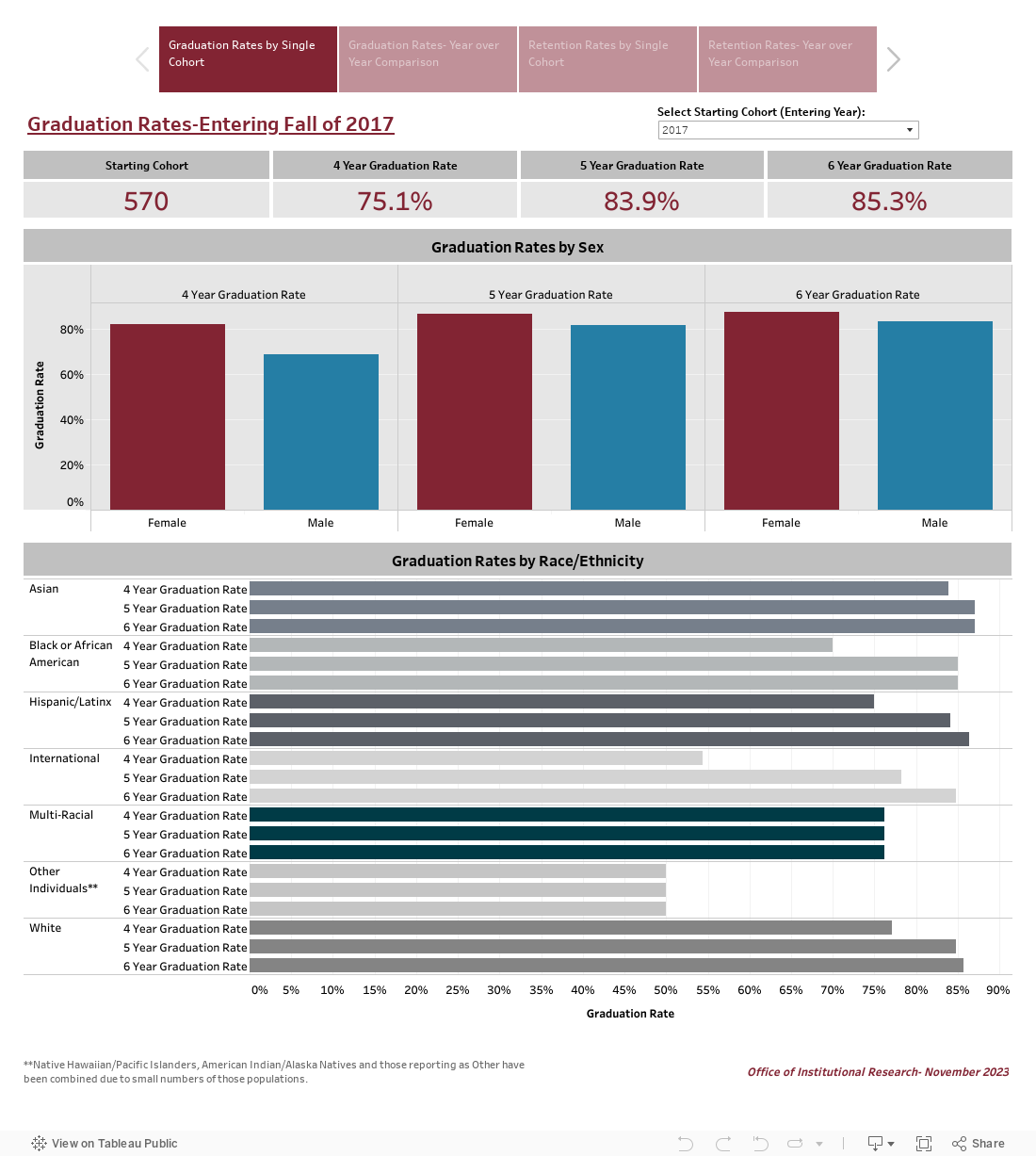
Picture this: a single, elegant dashboard that transforms the way community colleges perceive student retention. No more drowning in spreadsheets. No more guessing which interventions might work. Instead, a dynamic, real-time snapshot of student journeys—where every click, every pause, every struggle is illuminated in vivid clarity. This isn’t just a tool. It’s a paradigm shift. It’s the difference between reacting to crises and preventing them. It’s the moment when data stops being a burden and becomes a beacon. And it all begins with building a retention dashboard designed not just for administrators, but for the students whose futures depend on it.
Green Tech: High-Temperature Electrolysis & Synthetic Fuels
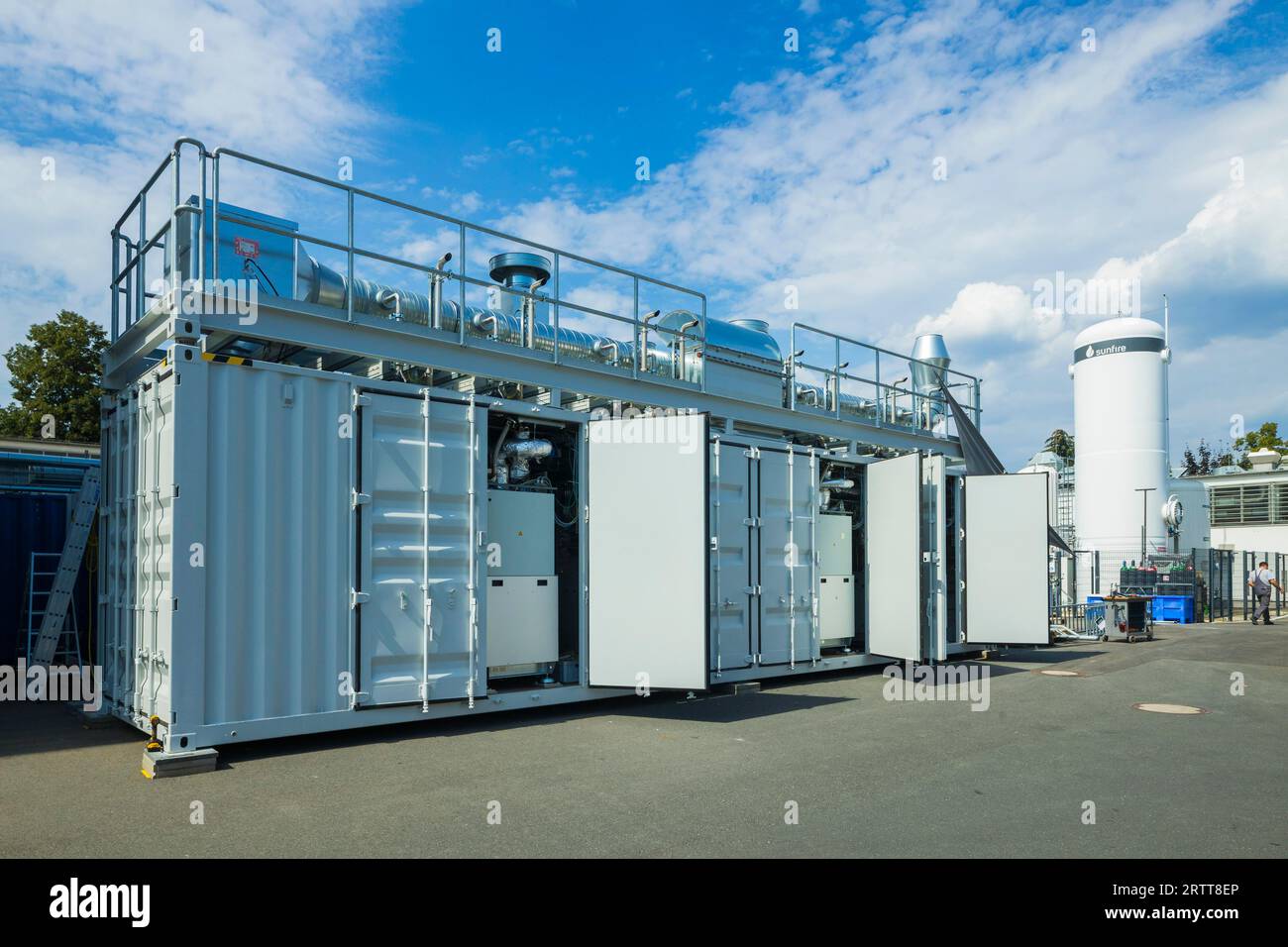
In the relentless march toward a decarbonized future, few technologies have captured the imagination quite like high-temperature electrolysis (HTE) and its symbiotic dance with synthetic fuels. These innovations are not merely tools; they are the alchemy of our time, transforming surplus renewable energy into storable, transportable power. Picture a world where the sun’s bounty in the Sahara or the wind’s fury in Patagonia doesn’t dissipate into the ether but is harnessed, refined, and repurposed into liquid gold—liquid that burns clean, powers planes, and fuels ships without a whisper of carbon. This is the promise of green tech at its most audacious, where the boundaries between energy generation and consumption blur into something revolutionary.
Build Your Own Micro-Credential Portfolio (Capstone)

In the ever-evolving landscape of professional development, the concept of a micro-credential portfolio has emerged as a transformative force. Unlike traditional degrees that span years, micro-credentials are bite-sized, targeted certifications designed to validate specific skills or competencies. A capstone micro-credential portfolio, in particular, represents the pinnacle of this approach—a curated collection of achievements that not only showcases expertise but also demonstrates the ability to synthesize knowledge across disciplines. Whether you’re a seasoned professional seeking to pivot into a new field or a lifelong learner eager to stay ahead of industry trends, building your own micro-credential portfolio can be a game-changer. Let’s explore the diverse types of content you can include to craft a portfolio that stands out in a crowded marketplace.
Power Skills for the C-Suite: Strategic Foresight & Decisiveness
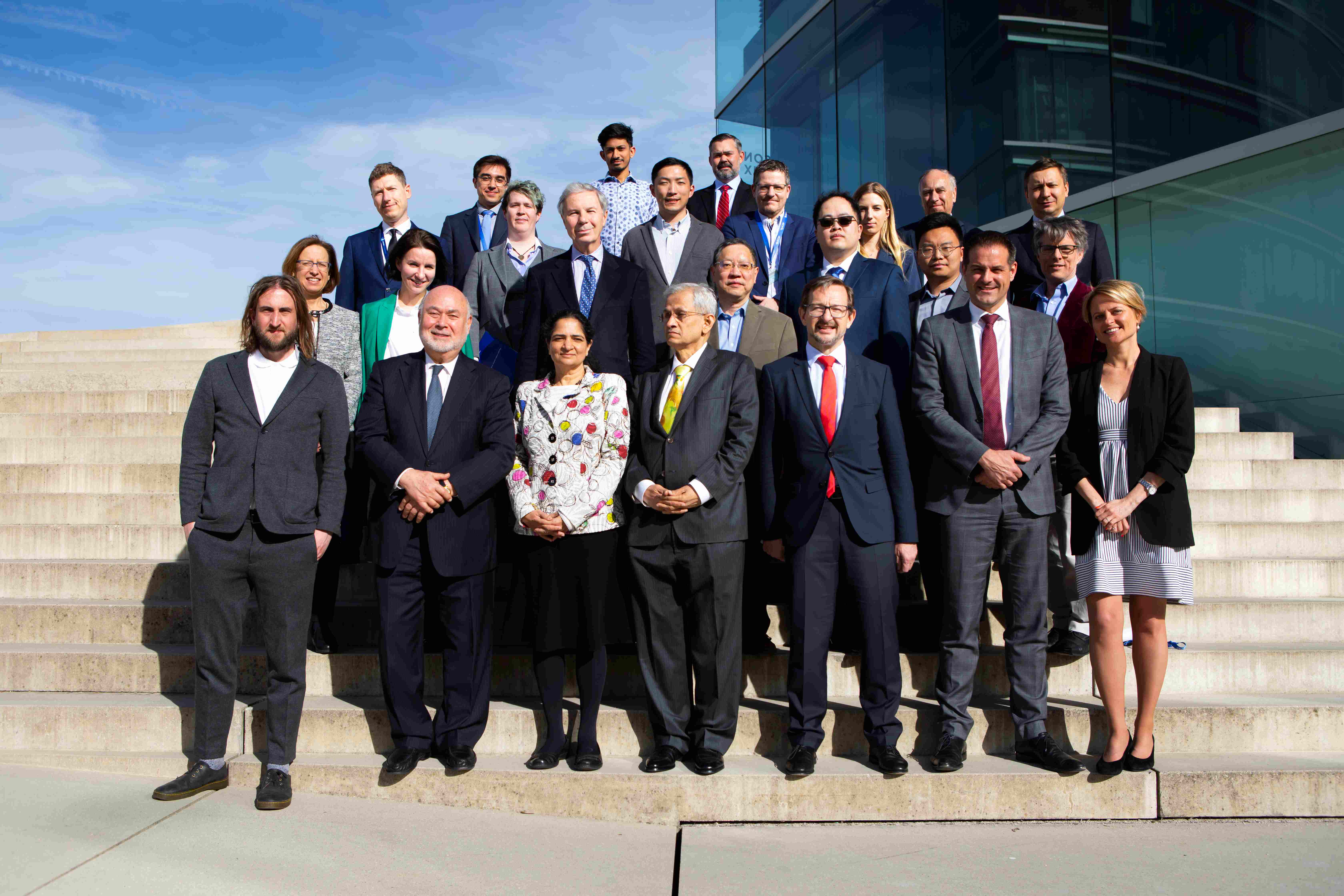
In the ever-shifting landscape of global business, where volatility is the only constant, the C-Suite stands at a precipice. The difference between thriving and merely surviving often hinges on two power skills: strategic foresight and decisiveness. These aren’t just buzzwords tossed around in boardrooms—they are the twin engines of transformative leadership. Imagine, for a moment, a world where every decision is not just reactive but prophetic, where uncertainty is not feared but harnessed. This is the realm where the most visionary leaders operate, and it’s where the future of business is being written today.
ESG for Cultural Institutions (Fundraising)

In an era where capital flows are increasingly steered by conscience as much as by profit, cultural institutions stand at a precipice—not of decline, but of transformation. The old adage that art and heritage exist in the rarefied air of moral purity has been upended by a stark reality: without financial vitality, even the most revered museums, theaters, and archives risk fading into irrelevance. Enter ESG—Environmental, Social, and Governance—criteria that have long governed the investment decisions of corporations and asset managers, now knocking at the doors of cultural organizations with a promise: align your mission with measurable impact, and unlock a new frontier of funding. This isn’t just about securing donations; it’s about redefining the very essence of cultural philanthropy in the 21st century.