


The Architecture of Momentum: One Hundred and Twenty Seconds
Consider the humble grain of sand. Alone, it is insignificant, a speck easily dismissed by a passing wind. Yet, gathered by the trillions, it forms the vast, silent architecture of the desert and the delicate, imprisoning beauty of the hourglass. A life, much like a dune, is not built in towering, dramatic leaps, but in the relentless, silent accumulation of tiny particles. The most profound secret to lasting change is not a grand, sweeping resolution, but a deceptively simple, almost laughably small promise: the two-minute rule. It is the grain of sand that, when placed with intention, begins to shift the entire landscape of your being.
We are often paralyzed by the sheer weight of the mountain we intend to climb. The desire to write a novel, run a marathon, or achieve financial freedom leaves us breathless and inert. The goal is too vast, the future too distant. This is where the 2-minute habit acts as a powerful cognitive illusion. It reduces the Everest of our ambition to a single, manageable step: put on your running shoes. Open your notebook. Write one sentence. By focusing not on the destination, but on the single, sacred action of starting, we bypass the brain’s natural resistance to large, energy-consuming tasks. We trick the lizard brain into thinking, “Oh, this is easy. This is nothing.” And in that quiet moment of action, the greatest battle is already won.

The Revolution of the Open Door
The true magic of this method is not in the two minutes themselves, but in the physics of momentum they unleash. Sir Isaac Newton understood that an object in motion stays in motion. This is not merely a law of physics; it is a law of human psychology. The two-minute habit is the initial push that overcomes the inertia of stillness. You put on your running shoes, and the next thing you know, you are tying the laces. You open the notebook, and the first sentence leads to a paragraph. You step into the gym with the intent to stretch for two minutes, and the music carries you through a full workout. The door to action is swung open, and the force of habit, once awakened, is a far more powerful master than willpower could ever be.
This principle rewrites the relationship between identity and action. You no longer wait to *become* a writer; you become one by writing for two minutes. You stop hoping to *be* a healthy person; you embody it by drinking a glass of water. The action precedes the identity. It is a profound inversion of the standard model of self-improvement. Instead of waiting for the motivation to fuel the action, the action generates the motivation. This is the cunning beauty of the system: it requires no emotional fuel. It runs on the cold, clean engine of pure, iterative process. You don’t need a spark of inspiration; you only need the tiny energy required to lift a pen, open a book, or step onto a mat.
The Chisel and the Marble of Your Days
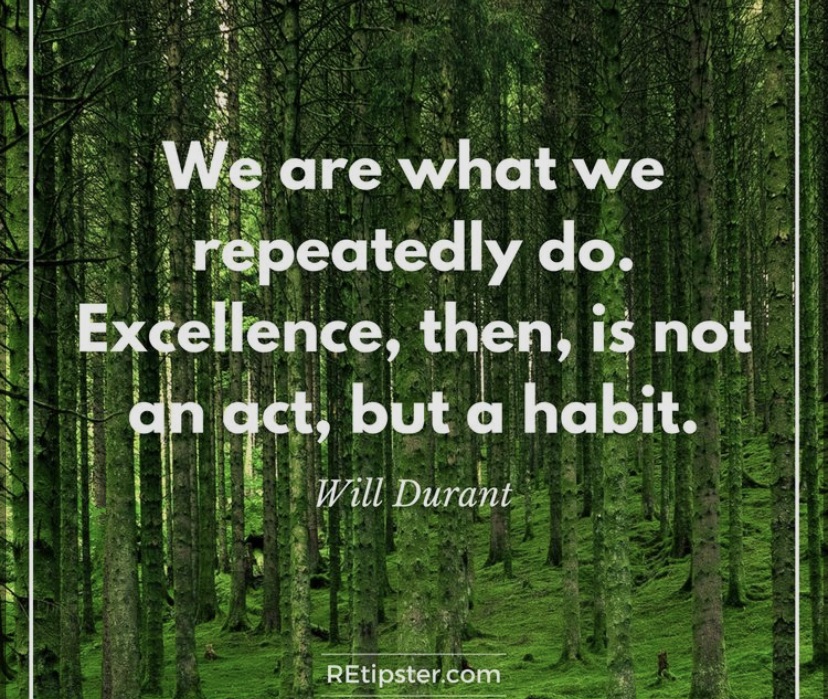
Critics might scoff at the triviality of two minutes. “How can two minutes of flossing change your life?” they ask. The answer lies in the nature of compound interest, the most powerful force in the universe. A single two-minute action does nothing. But the ritualized repetition of that action, day after day, becomes a chisel. It is a fine, precise tool that, over time, carves the rough marble of your days into a statue of discipline. It establishes a non-negotiable floor. It is not about peak performance; it is about ending the war with yourself. It is about showing up, consistently, with a promise you know you can keep.
This victory is not just about the habit itself. It is about the deep, subconscious message you send to your own nervous system. When you commit to a 2-minute habit and follow through, you prove to yourself, in a quiet and irrefutable way, that you are reliable. You are the kind of person who keeps their word. This tiny act of self-trust becomes the bedrock upon which all other, larger ambitions are built. The person who flosses for two minutes begins to believe they can save money. The person who meditates for two minutes begins to believe they can master their temper. The habit is the seed; the self-respect is the forest that grows.

The Unnoticed Architect
The most profound aspect of this approach is its invisibility. A life is not changed by the one dramatic day you ran a marathon; it is changed by the hundreds of mornings you chose to put on your sneakers when the alarm screamed. The 2-minute habit operates in the quiet, unglamorous margins of our existence. It is the silent partner in your success, the overlooked architect of your transformation. It asks for almost nothing, yet it gives you everything: the power to start. And in the end, starting is the only truly difficult part. The rest is just momentum, time, and the beautiful, undeniable physics of a life lived one small, perfect grain of sand at a time.
Leave a comment