


Stress is the silent architect of modern life—a relentless force that shapes our days, sharpens our focus, and, if left unchecked, can crumble the foundations of our well-being. Yet, what if stress isn’t the enemy, but the crucible in which productivity is forged? What if, instead of resisting it, we learned to harness its energy, to transmute its pressure into purpose? This is the art of stress alchemy: the deliberate transformation of chaos into clarity, of tension into traction. Welcome to the science and strategy of turning stress into your most potent productivity tool.
The Paradox of Stress: Why Pressure is the Spark of Greatness
Stress is not a flaw in the system—it’s the system’s way of saying, “Wake up. Pay attention.” Our bodies and minds are wired to respond to pressure with heightened awareness, a surge of adrenaline, and a laser-like focus on the task at hand. This isn’t just biology; it’s evolution’s way of ensuring survival. But in the modern world, where deadlines replace predators and emails outnumber threats, that same stress response can feel like an overzealous alarm clock—loud, persistent, and impossible to silence.
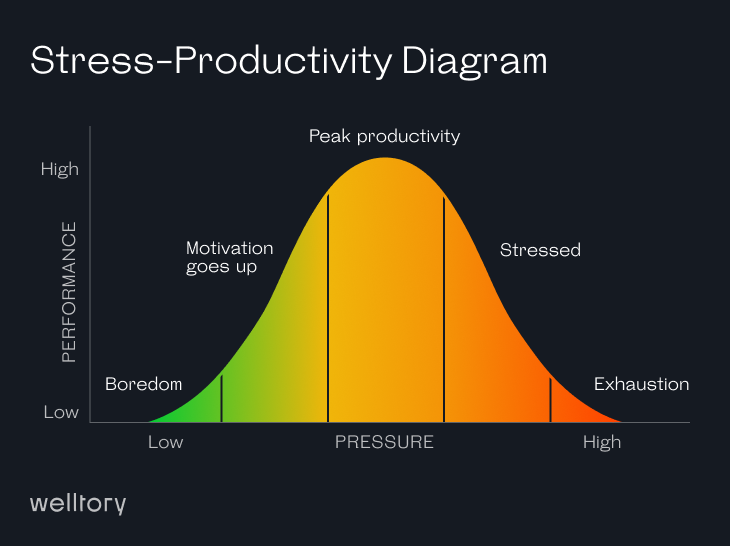
The key lies in reframing stress not as an obstacle, but as a signal. Think of it like a thermostat: when the temperature rises, the system doesn’t break—it adjusts. Similarly, stress doesn’t have to derail us; it can recalibrate our performance. Studies show that moderate stress enhances cognitive function, boosts creativity, and sharpens problem-solving skills. The difference between debilitating stress and productive stress lies in control—mastering the art of channeling that energy rather than being consumed by it.

The Goldilocks Zone of Stress
Not all stress is created equal. Too little, and we’re bored, disengaged, and prone to procrastination. Too much, and we’re paralyzed by anxiety. The sweet spot—the Goldilocks zone—is where stress is just enough to push us without overwhelming us. Psychologists call this “eustress,” the positive form of stress that motivates and energizes. The challenge? Finding that balance in a world that constantly demands more.
To enter this zone, start by identifying your stress triggers. Is it a looming deadline? A packed schedule? A lack of control? Once you know what sets off your stress response, you can begin to manage it. For some, it’s about breaking tasks into smaller, manageable chunks. For others, it’s about setting boundaries—learning to say no to the non-essentials. The goal isn’t to eliminate stress entirely, but to sculpt it into a tool that serves you.
The Rituals of Resilience: How to Condition Your Mind for Productive Stress
Stress isn’t just a mental state; it’s a physical one. Our bodies react to pressure with a cascade of hormones—cortisol, adrenaline, and dopamine—that can either fuel us or flatten us. The difference often comes down to preparation. Just as athletes train their bodies for competition, we can train our minds to thrive under pressure. This isn’t about brute-force endurance; it’s about cultivating rituals that turn stress from a foe into an ally.
The Power of Micro-Routines
You don’t need a month-long meditation retreat to build resilience. Start small. A five-minute breathing exercise in the morning. A short walk before diving into work. These micro-routines act as pressure valves, releasing tension before it builds into something unmanageable. Think of them as the warm-up before a sprint—essential for performance, but often overlooked.
Consider the Japanese concept of shinrin-yoku, or forest bathing. Stepping into nature, even for a few minutes, has been shown to lower cortisol levels and restore mental clarity. You don’t need a forest; a park, a garden, or even a balcony with plants can serve the same purpose. The point is to create a ritual that signals to your body: “We are safe. We are prepared.”
The Discipline of Deliberate Discomfort
Resilience isn’t built in comfort zones. It’s forged in the fires of controlled challenge. This might mean tackling a task you’ve been avoiding, speaking up in a meeting when you’d rather stay silent, or setting a timer for 25 minutes and committing to focused work without distractions. Each small act of discomfort trains your brain to handle larger stressors with grace.
But here’s the catch: discomfort must be deliberate. Random chaos doesn’t build resilience—it breeds burnout. The key is to introduce challenges that are uncomfortable but not insurmountable. It’s the difference between drowning in a storm and riding the waves with skill. Start with one small challenge a day, and gradually increase the stakes as your confidence grows.
The Productivity Alchemy: Transmuting Stress into Momentum
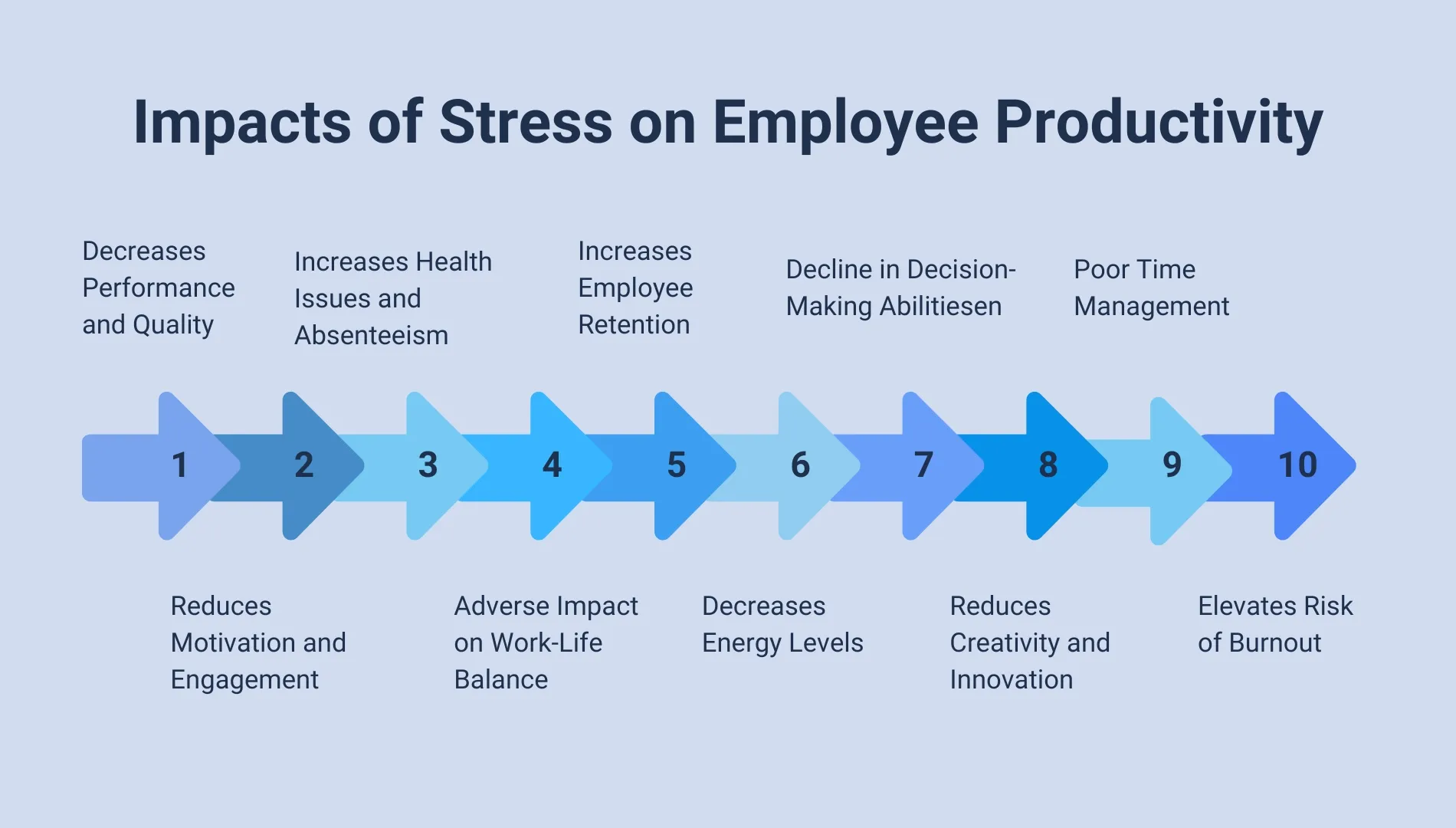
Stress, when harnessed, is the raw material of productivity. But how do you transform it from a vague sense of unease into tangible results? The answer lies in three core principles: prioritization, pacing, and perspective. Master these, and you’ll turn stress from a distraction into a driver.
Prioritization: The Art of Strategic Focus
Not all tasks are created equal. Under stress, it’s easy to fall into the trap of busyness—filling your day with minor tasks to avoid the weight of the important ones. But productivity isn’t about doing more; it’s about doing the right things. The Eisenhower Matrix is a powerful tool here: divide your tasks into four quadrants—urgent and important, important but not urgent, urgent but not important, and neither. Focus your energy on the first two quadrants, and let the rest fall away.
Stress thrives in ambiguity. When you’re clear about your priorities, the noise fades into the background. Write down your top three goals for the day, and let everything else serve those objectives. This isn’t about rigid control; it’s about creating a North Star to guide your efforts when the pressure mounts.
Pacing: The Rhythm of Sustainable Pressure
Stress is not a sprint; it’s a marathon with sprint intervals. Pushing yourself to the brink might yield short-term results, but it’s a recipe for collapse. Instead, learn to pace yourself. Use the Pomodoro Technique—25 minutes of focused work followed by a 5-minute break—to maintain high levels of productivity without burning out. During breaks, step away from your desk. Stretch, hydrate, or simply gaze out the window. These pauses aren’t luxuries; they’re essential for sustaining performance.
Think of your energy like a battery. You can drain it quickly with bursts of intensity, or you can manage it wisely with steady, controlled output. The latter approach not only preserves your stamina but also keeps your stress levels in check. It’s the difference between a sprint and a well-paced run—both get you to the finish line, but one leaves you exhausted and the other leaves you ready for the next challenge.
Perspective: The Lens Through Which You View Stress
Your relationship with stress is, at its core, a story you tell yourself. Do you see a looming deadline as a threat or an opportunity? Is the pressure of a presentation a source of dread or a chance to showcase your skills? The narrative you choose shapes your experience. Research shows that people who view stress as a challenge rather than a threat perform better under pressure and recover more quickly from setbacks.
To shift your perspective, start by reframing your language. Instead of saying, “I’m stressed,” try, “I’m energized.” Instead of “This is overwhelming,” say, “This is an opportunity to grow.” These small linguistic shifts might seem trivial, but they rewire your brain to see stress as a catalyst rather than a curse.
Another powerful technique is to ask yourself: “What’s the worst that could happen?” Often, the answer is far less catastrophic than our imaginations suggest. Then ask, “What’s the best that could happen?” This balance of realism and optimism keeps stress in perspective and prevents it from spiraling into panic.
The Long Game: Building a Stress-Resilient Life
Turning stress into productivity isn’t a one-time fix; it’s a lifelong practice. It’s about cultivating habits, mindsets, and environments that make resilience second nature. It’s about recognizing that stress isn’t the enemy—it’s the raw material of a life well-lived. The goal isn’t to eliminate stress entirely, but to become so adept at managing it that it becomes a tool rather than a burden.
Start today. Identify one stressor in your life and apply one of the strategies above. Maybe it’s setting a timer for focused work, or taking a five-minute walk to reset your mind. Maybe it’s writing down your top priorities for the day. Whatever it is, take action. Stress, after all, is just energy waiting to be directed. The question is: will you let it control you, or will you learn to wield it?
The choice is yours. And the alchemy begins now.
Leave a comment