


Imagine this: You wake up with a clear plan, your day unfolds like a well-rehearsed symphony, and by evening, you’ve accomplished everything you set out to do. No stress. No guilt. Just progress. Sounds like a fantasy? It doesn’t have to be. The secret isn’t in having more willpower or cramming more tasks into your day. It’s about designing a schedule that works with your brain, not against it. Let’s dismantle the myth of rigid time-blocking and build something sustainable—something that doesn’t just manage your time, but transforms how you experience it.
The Illusion of the “Perfect” Schedule
We’ve all been there: downloading a productivity app, filling out a color-coded calendar, and feeling a surge of motivation—only to abandon it by Wednesday. Why? Because the “perfect” schedule assumes you’re a machine, not a human. It ignores the ebb and flow of energy, the unexpected curveballs, and the fact that motivation isn’t a constant. A schedule that sticks isn’t about perfection; it’s about alignment.
Think of your schedule as a river, not a railroad track. Railroads are rigid, unyielding, and prone to derailment when the terrain shifts. Rivers, however, adapt. They carve new paths, slow down in droughts, and surge in floods—but they always find their way. Your schedule should do the same. The goal isn’t to force yourself into a mold but to create a framework that bends with your life.

The 3 Lies That Sabotage Your Schedule
Before you can build a schedule that works, you need to dismantle the lies that keep you stuck:
- “I need more hours in the day.” Time isn’t the problem; focus is. A 4-hour deep work session can outperform an 8-hour scattered one.
- “I must do everything at once.” Multitasking is a myth. Your brain thrives on single-tasking, not juggling.
- “If it’s not on the calendar, it doesn’t matter.” Not all tasks belong in a rigid schedule. Some need breathing room.
Once you recognize these lies, you can start designing a schedule that respects your humanity—not your ability to endure suffering.
Designing Your Schedule Around Your Energy, Not the Clock
Time management is a lie. Energy management is the truth. Your schedule should revolve around your natural rhythms, not the arbitrary divisions of a 24-hour day. Are you a night owl or an early bird? Do you hit a slump after lunch? Use that knowledge to your advantage.
Start by tracking your energy for a week. Note when you feel most alert, when your focus wanes, and when you’re most creative. Then, align your tasks accordingly:
- Peak Hours (Deep Work): Tackle your most demanding tasks when your energy is highest. For most people, this is in the morning.
- Moderate Hours (Shallow Work): Reserve midday for emails, meetings, and administrative tasks that don’t require intense focus.
- Low Hours (Recovery): Use the late afternoon or evening for lighter activities—reading, walking, or creative pursuits that don’t demand peak performance.

The Power of “Time Blocking Lite”
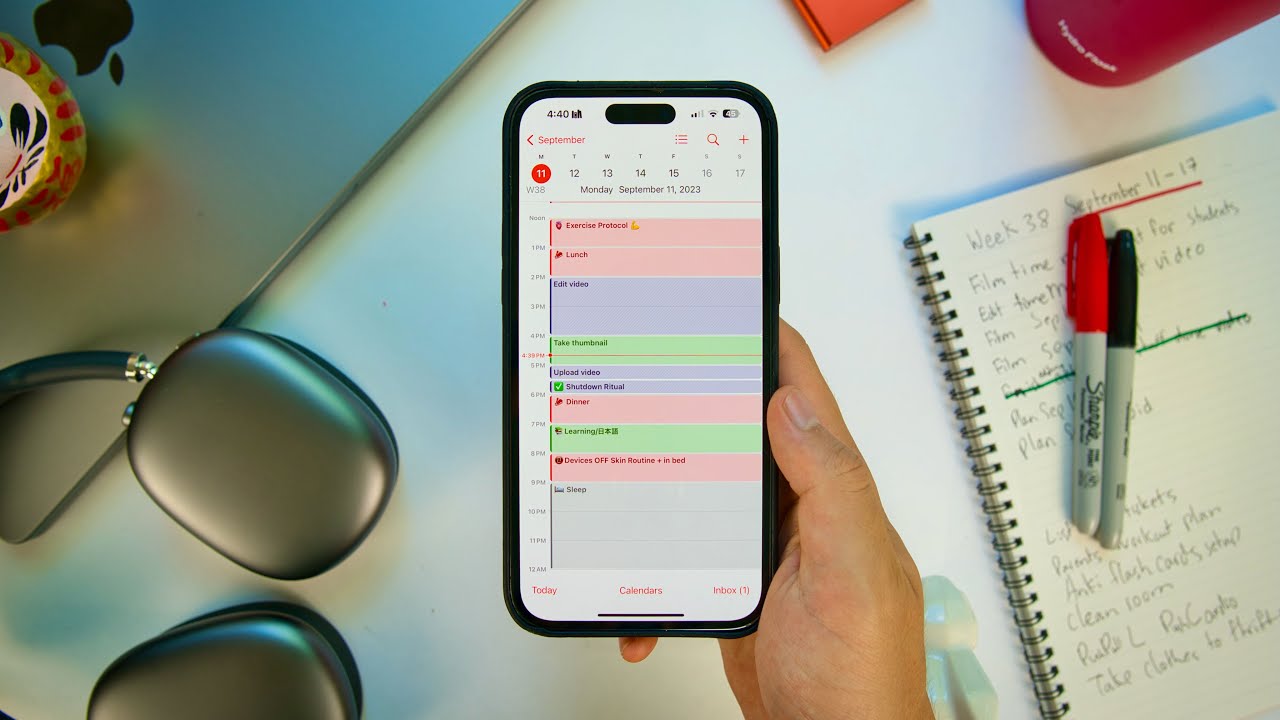
Time blocking—the practice of assigning specific tasks to specific times—isn’t inherently bad. But rigid time blocking is a recipe for burnout. Instead, try “time blocking lite”: a flexible approach where you reserve blocks of time for types of work, not exact tasks. For example:
- 9:00–11:00 AM: Deep work (writing, coding, strategic planning)
- 11:00 AM–12:00 PM: Meetings and collaboration
- 1:00–3:00 PM: Administrative tasks (emails, invoices, planning)
- 3:00–4:00 PM: Creative or learning time (reading, brainstorming)
This way, you’re not locked into a rigid structure, but you’re also not left floundering without direction. It’s the sweet spot between chaos and control.
The Art of Saying “No” Without Guilt
Your schedule isn’t just about what you do; it’s about what you don’t do. Every “yes” to something unimportant is a “no” to something that matters. The key to sticking to your schedule? Protecting it like a sacred space.
Start by auditing your commitments. Ask yourself:
- Does this align with my priorities?
- Does this drain my energy without reciprocity?
- Can I delegate or automate this?
Then, practice the art of the polite refusal. You don’t need a dramatic excuse—just a simple, “I’m focusing on a few key projects right now, so I’ll have to pass.” The more you say no to the non-essentials, the more space you create for what truly moves the needle.
The 2-Minute Rule for Schedule Maintenance
Schedules aren’t set in stone. They’re living documents that need regular upkeep. Use the 2-minute rule to keep yours on track:
- Every evening, spend 2 minutes reviewing your schedule for the next day.
- Every Sunday, spend 2 minutes adjusting your weekly plan based on what worked and what didn’t.
- Every month, spend 2 minutes reflecting on your bigger goals and whether your schedule is still serving them.
This tiny habit prevents small oversights from snowballing into major derailments. Consistency beats intensity—even in schedule maintenance.
When Life Throws You a Curveball (And It Will)
No schedule survives contact with reality. Emergencies, unexpected tasks, and sheer exhaustion will derail even the best-laid plans. The difference between people who stick to their schedules and those who abandon them isn’t the absence of chaos—it’s their response to it.
When disruption strikes, ask yourself:
- Is this temporary or permanent? If it’s temporary, adjust your schedule and move on. If it’s permanent, reassess your priorities.
- What’s the smallest step I can take right now? Even 10 minutes of progress beats a day of paralysis.
- What can I learn from this? Every disruption is data. Use it to refine your schedule for next time.
Remember: A schedule isn’t a prison. It’s a compass. When life pulls you off course, recalibrate and keep going. The goal isn’t to follow your schedule perfectly—it’s to use it as a tool to steer your life toward what matters.
The Real Reason You’ll Stick to This Schedule
Here’s the truth no productivity guru will tell you: You’ll stick to a schedule not because you’re disciplined, but because it makes you feel in control. It’s not about the tasks you complete; it’s about the peace of mind that comes from knowing you’re moving in the right direction. A schedule that works isn’t a chain—it’s a safety net.
So start small. Experiment. Adjust. And most importantly, be kind to yourself when it doesn’t go as planned. The best schedule isn’t the one that’s flawless—it’s the one that evolves with you. Now go build one that doesn’t just manage your time, but transforms your life.
Leave a comment