


The Allure of the Analog in a Digital Age
We have all been there. You are scrolling through a news feed, and a photograph of a beautifully curated notebook appears. It is not just any notebook; it is a bullet journal. The pages are crisp, the handwriting is immaculate, and a single, simple key—a dot for a task, a circle for an event, a dash for a note—organizes the chaos of a life into a grid of quiet intention. The superficial observation is that it is aesthetically pleasing, a momentary respite from the overwhelming glare of a screen. But the deeper reason for our fascination runs far richer. In a world that demands constant, distributed attention, the bullet journal offers a radical rebuke: a single, physical system designed to reclaim focus from the fragments. It is not merely a diary or a planner; it is a methodology for thinking.
Beyond the List: The Philosophy of Rapid Logging
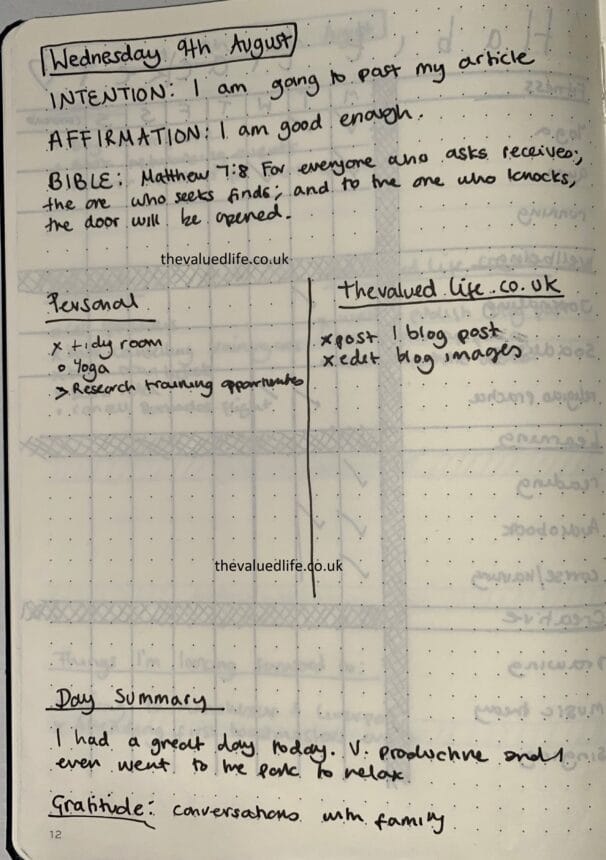
The core of the Bullet Journal method, as developed by Ryder Carroll, is not the design or the washi tape. It is a system of “rapid logging.” This is a syntax that transforms a blank notebook into a dynamic, living document. Instead of writing lengthy sentences, you use a simple set of symbols. A task (·) becomes a completed task (✓), a migrated task (>), or a scheduled task (<). An event (○) is a date-stamped happening. A note (–) is a fact, an idea, or an observation. This structure is deceptively simple, but it solves a profound problem. Every list we make in our heads is a promise. A standard to-do list is an act of holding many promises in your memory, leading to cognitive load. Rapid logging externalizes that load. It puts the promise onto paper, freeing the mind to focus on execution rather than remembrance. The busy executive finds here not a prettier calendar, but a cognitive offload device that prioritizes substance over friction.
The Collection: Why the Future Needs a Home
A significant failure of most productivity systems is their inability to organize information that does not fit into a specific date. Where do you store the idea for a new marketing campaign that might launch next quarter? What about the book recommendations from a podcast, or the notes from a conference call that sparked a bigger strategic vision? In a bullet journal, these become “Collections.” A Collection is a dedicated page or spread for a specific theme: a project roadmap, a list of goals for the year, a reading list, or a “Someday/Maybe” list of future aspirations. For a busy person, this is the antidote to scattered sticky notes and forgotten emails. By creating a deliberate home for every type of thought, the system prevents the mind from becoming a cluttered inbox. The bullet journal becomes a personal wiki, organized not by app notifications, but by conscious choice. This deliberate act of categorizing transforms vague anxiety about “things I should do” into a structured, actionable plan.
The Migration: The Engine of Intentionality
Perhaps the most underappreciated feature of the Bullet Journal System is the act of “Migration.” This is the monthly process of reviewing the tasks you did not complete in the previous month and deciding what to do with them. You have a choice: cross them off if they are no longer relevant, schedule them for a future date, or write them into the new month. This is not a test of willpower; it is a test of relevance. For a busy person, the greatest sin is not failure to complete a task, but the waste of energy on a task that no longer matters. Migration forces you to look at every undone commitment and ask: “Is this truly important enough to spend my finite attention on right now?” It is a filtering mechanism that prunes the garden of your obligations. The weekly or monthly migration becomes a ritual of clearing mental weeds, ensuring that your time is spent on what you *choose* to do, not merely on what you once thought you had to do.
The Future Log: Seeing the Terrain Ahead
While the daily log is for the immediate, the “Future Log” is for the horizon. This is a simple spread, often a one-page grid showing the next six to twelve months. It is where you place appointments, deadlines, and major events that are too far out for a monthly view. For the executive juggling quarterly reports, board meetings, and personal milestones, this is the strategic overview. It prevents the shock of a forgotten deadline and provides a mental map of the upcoming terrain. You are no longer reacting to the calendar; you are navigating it. The future log transforms a passive schedule into an active compass, allowing you to see the big picture at a glance without losing the granular detail of today’s tasks.

The Index: The Brain of the System
Every bullet journal begins with an Index. As you add pages—a daily log here, a project collection there—you number each page and log the title and page number in the Index. This transforms a simple notebook into a searchable database. For the busy professional, this is a liberation from the tyranny of the chronological file. Need to find the notes from the last strategy meeting? You can flip to the Index. Want to review the exercise log you started three months ago? It is right there. The Index turns the journal into an organic, growing archive of your life and work. It mirrors the way our minds actually work—not linearly, but associatively. You connect ideas, revisit past decisions, and see patterns emerge. This is not just organization; it is intelligence.
Why Smart People Choose This System
The ultimate reason the Bullet Journal System fascinates us is that it is a tool for metacognition—thinking about your thinking. It forces you to slow down, to write, to review, and to decide. It is an anti-fragile system that adapts to the user. For the busy person, the one whose phone buzzes with a hundred notifications an hour, this analog practice is not a hobby. It is a survival mechanism. It provides a calm center in the digital storm. The beauty is not in the perfect handwriting or the artful spread; it is in the quiet, powerful act of turning a blank page into a tool of intention. And that, perhaps, is the deepest secret of all: that the most effective productivity system is not about doing more, but about choosing what matters.
Leave a comment