


What If Your Money Had a Dashboard?
Imagine, for a moment, that you are driving a sleek, powerful car. The engine hums with potential, the GPS is primed with a destination. But as you glance down at the dashboard, you notice the fuel gauge is busted. The speedometer is cracked. The tachometer is flickering nonsense symbols. You have no idea how fast you’re going, how much fuel remains, or if your engine is about to overheat. How long would you drive that car before pulling over, frustrated and anxious?
This is the silent paradox of modern productivity. We obsess over time-blocking apps, Pomodoro timers, and the latest morning routines—all tools meant to optimize the engine of our workday. Yet, we often neglect the vehicle that carries us: our financial life. We pour energy into tasks without a clear view of our monetary fuel level. The playful question, then, is this: Can you truly optimize your workflow when you are flying blind on your cash flow? The challenge is that financial murkiness isn’t just a distraction; it is a cognitive parasite that silently drains the very focus you are trying to cultivate.
The Hidden Tax of Uncertainty
Productivity experts love to talk about “decision fatigue”—the mental weariness that comes from making too many small choices. But few discuss its financial cousin: financial uncertainty fatigue.
When your financial picture is fuzzy, your brain is constantly running a background process. Check the bank account. Worry about that unexpected expense. Did that subscription renew? Will I have enough for next month? This low-grade anxiety is a mental tax you pay every hour. Even if you aren’t actively fretting, your prefrontal cortex is dedicating precious bandwidth to the general threat of “not knowing.” This is the opposite of a flow state. Flow requires a sense of control and safety; financial clarity provides that baseline. Without it, your mind is like a browser with thirty tabs open, and one of them is playing a frantic stock market ticker in the corner of the screen.

The cost is not just emotional. It is practical. A person who knows exactly how much discretionary spending they have is a person who can make swift decisions about a work trip, a new software license, or a course. A person who doesn’t know hesitates. They research. They second-guess. The hesitation time adds up over days and weeks, creating a drag on momentum that is hard to measure but easy to feel. The challenge is not the lack of money; it is the lack of information about money.
From Chaos to Architecture: Building Your Work Foundation
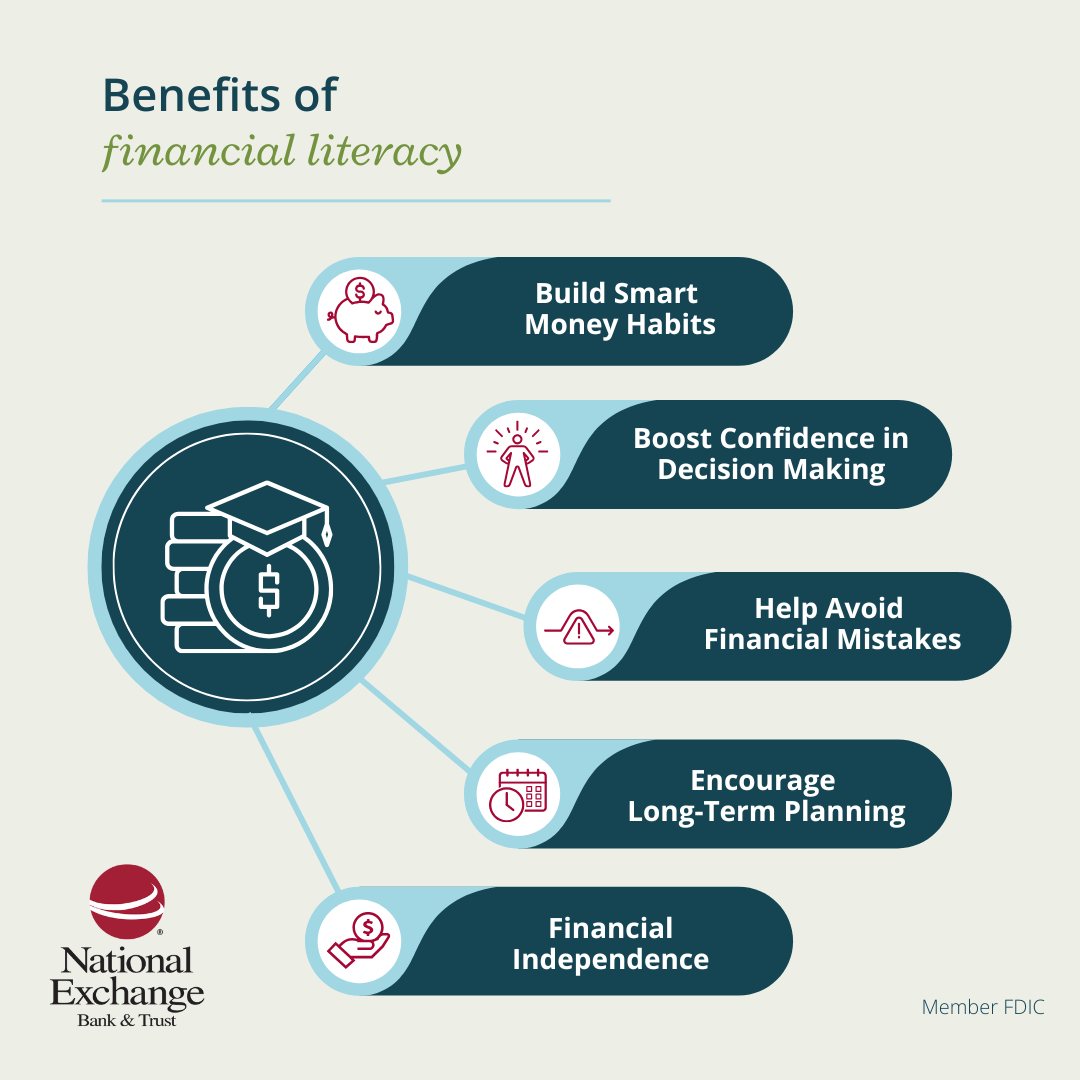
Think of your financial life as the architecture of your workday. If the foundation is riddled with cracks—unpaid invoices, unclear budgeting, high-interest debt—every beam you place on top (your creative projects, your strategic planning, your deep work) is compromised. Financial clarity acts as structural reinforcement.
When you achieve it, something profound shifts. The “noise” of financial anxiety is replaced by the “signal” of financial awareness. You stop reacting to money and start directing it. This isn’t about becoming a spreadsheet fanatic. It is about creating a simple, truthful map. A map that tells you: “This is where you are. This is where you can go. And you have the fuel for the next five hundred miles.”
With that map in hand, your focus sharpens. You are no longer a frantic driver looking for a gas station. You are a navigator, planning your route with intention. This is the core of sustainable productivity—not doing more things, but doing the right things with complete attention. Financial clarity clears the cognitive fog so that attention can land where it matters: on the task itself.
The Velocity of Permission
Perhaps the most surprising productivity benefit of financial clarity is something we might call the velocity of permission.
When your finances are a blur, every non-essential action is subject to a vague internal veto. “Should I buy that better chair? Probably not…” “Should I take that course? Feels risky…” “Should I automate this task with a paid tool? I’ll just do it manually.” This is not frugality; it is paralysis. Your brain, lacking data, defaults to “no.”
Financial clarity flips this dynamic. When you see a clear surplus in your “growth” budget, you can act with permission. Buy the ergonomic keyboard. Invest in the software. Outsource the task. This permission is not reckless spending; it is strategic investment in your own output. The person with clarity makes faster, bolder choices that compound over time. They upgrade their tools, their environment, and their capabilities without the drag of guilt or second-guessing. Their productivity velocity increases because the friction of indecision has been removed.
This brings us to a final, crucial point. You cannot out-organize a messy financial life with a better to-do list. You cannot hustle your way through a cash-flow gap. The discipline you crave in your work starts with the discipline of knowing the numbers. The next time you feel scattered, stuck, or inexplicably tired, do not reach for another productivity hack. Look at your dashboard. The answer to better output might just be a clearer balance sheet.
Leave a comment