


Motivation is the spark that ignites action, but consistency is the flame that sustains it. We all start with enthusiasm—whether it’s a new fitness routine, a career goal, or a creative project—but somewhere along the way, that initial drive wanes. The real challenge isn’t just starting; it’s continuing when the excitement fades and the grind sets in. This is where most people falter, not because they lack discipline, but because they misunderstand how consistency truly works.
Consistency isn’t about forcing yourself to stay motivated. It’s about designing systems that carry you forward even when your emotions and energy levels betray you. It’s the difference between a fleeting burst of progress and lasting transformation. So how do you cultivate it? The answer lies not in relying on motivation, but in building habits, routines, and mindsets that operate independently of it.
The Myth of Motivation: Why It’s a Poor Foundation for Consistency
Motivation is fleeting. It’s tied to emotions, circumstances, and external validation—none of which are reliable. One day you feel unstoppable; the next, you can’t even muster the energy to get out of bed. Relying on motivation to fuel your long-term goals is like building a house on sand. Sooner or later, it will crumble.
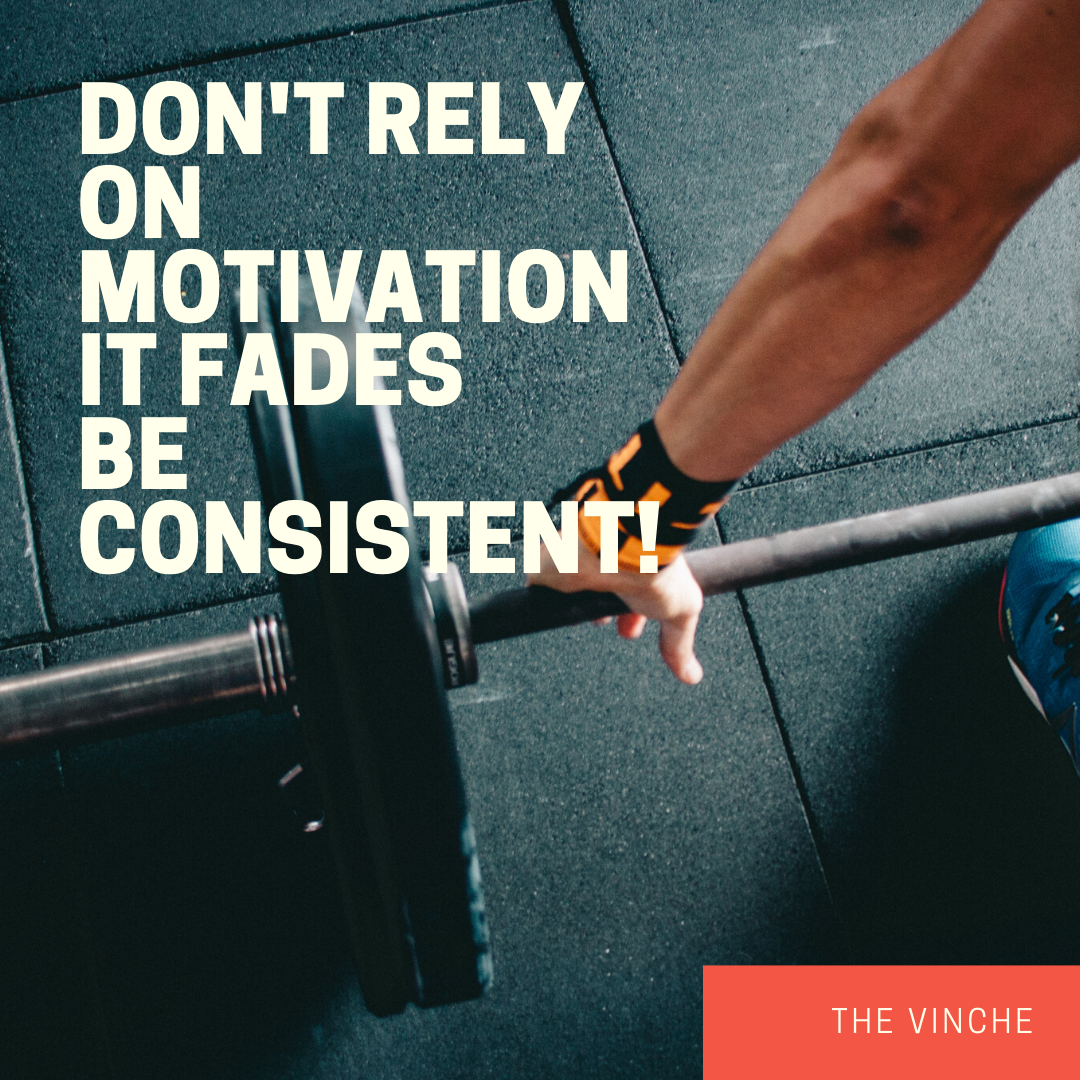
Consider the gym. On January 1st, gyms are packed with people fueled by New Year’s resolutions. By February, half of them have vanished. Why? Because motivation alone isn’t enough. It’s the initial excitement that gets you through the door, but consistency requires something deeper: a commitment to the process, not the outcome.
Psychologists call this the “habit loop”—a neurological pattern where a cue triggers a routine, which then leads to a reward. Motivation disrupts this loop. It’s the reward before the routine even begins. But when motivation disappears, so does the action. Consistency, on the other hand, thrives on repetition, not inspiration.
The Deeper Reason We Crave Motivation
Our fascination with motivation isn’t just about laziness—it’s about the human desire for instant gratification. We want to feel the rush of achievement without enduring the discomfort of the journey. This is why viral success stories captivate us: they promise that one moment of brilliance will change everything. But real progress is built in the quiet, unglamorous hours of repetition.
Understanding this is the first step toward building consistency. You’re not failing because you lack willpower; you’re failing because you’re fighting against a system that wasn’t designed for human nature. The solution? Stop waiting for motivation to strike. Start building systems that work with your nature, not against it.
Designing Your Environment: The Invisible Architecture of Consistency
If motivation is unreliable, then your environment is the next best thing. It’s the silent architect of your habits, shaping your actions before you even realize it. Want to write consistently? Keep your notebook on your desk. Want to exercise regularly? Lay out your workout clothes the night before. Want to eat healthier? Don’t keep junk food in the house.
This isn’t about willpower—it’s about designing your surroundings to make consistency effortless. Your brain is wired to conserve energy, so if the path of least resistance leads to your desired behavior, you’re far more likely to follow it.
The Power of Default Choices
Every day, you make hundreds of decisions without thinking—what to wear, what to eat, which route to take to work. These are your default choices, and they’re shaped by your environment. If you want to build consistency, you need to control those defaults.
For example, if you struggle to wake up early, place your alarm across the room. If you want to read more, keep a book on your pillow. If you aim to reduce screen time, delete social media apps from your phone. These small tweaks remove friction, making it easier to act in alignment with your goals.
Consistency thrives in environments that remove the need for decision-making. The less mental energy you spend on choosing, the more you have for execution.

Leveraging Social Accountability
Humans are social creatures, and our behavior is heavily influenced by the people around us. If you want to stay consistent, surround yourself with others who share your goals. Join a mastermind group, find an accountability partner, or participate in online communities dedicated to your craft.
Social accountability works because it taps into our innate desire to belong and be seen. When others expect us to show up, we’re more likely to follow through—even when motivation is absent. This is why fitness classes, writing groups, and study cohorts are so effective. They turn consistency into a shared experience rather than a solitary struggle.
The Role of Identity: How to Make Consistency a Part of Who You Are
Most people approach consistency from the outside in. They set goals, create plans, and hope their actions will eventually change their identity. But real consistency comes from the inside out. It starts with who you believe you are.
If you see yourself as someone who writes every morning, you won’t need motivation to open your laptop. If you identify as a runner, you’ll lace up your shoes even on days when you’d rather stay in bed. Identity shapes action, not the other way around.
From “I Have to” to “I Am”
The language you use matters. Instead of saying, “I have to go to the gym,” reframe it as, “I am someone who takes care of my health.” Instead of, “I need to write,” tell yourself, “I am a writer.” This shift in language reinforces your identity, making consistency feel like a natural extension of who you are.
This is why people who achieve long-term success often describe themselves in terms of their habits. They don’t say, “I meditate every day.” They say, “I’m a mindful person.” They don’t say, “I save money.” They say, “I’m financially responsible.” Identity isn’t just a label—it’s a self-fulfilling prophecy.
The Danger of Identity-Based Goals
Of course, identity can also work against you. If you define yourself by a goal you haven’t achieved yet—“I’m a failure because I haven’t published a book”—you’ll reinforce the very behavior you’re trying to change. That’s why it’s crucial to frame your identity in terms of process, not outcome.
Instead of, “I’m a failure,” try, “I’m someone who learns from every attempt.” Instead of, “I’m out of shape,” try, “I’m someone who prioritizes my health.” This keeps your identity flexible and growth-oriented, making consistency feel like a journey rather than a test.

Embracing the Long Game: Why Consistency Beats Perfection Every Time
Perfectionism is the enemy of consistency. It demands flawless execution, which is impossible to sustain. Consistency, on the other hand, embraces imperfection. It’s about showing up, even when you’re not at your best. It’s about progress, not perfection.
Think of consistency as compound interest. Small, repeated actions—writing 500 words a day, practicing an instrument for 20 minutes, saving $50 a week—add up over time. They don’t feel significant in the moment, but the cumulative effect is transformative. Consistency isn’t about grand gestures; it’s about the steady accumulation of effort.
The Power of the “Two-Day Rule”
One of the simplest ways to maintain consistency is to never skip a habit two days in a row. This rule, popularized by entrepreneur James Clear in Atomic Habits, prevents small slips from turning into full-blown relapses. If you miss a day, you’re not starting from scratch—you’re just picking up where you left off.
This mindset shift is crucial. It removes the all-or-nothing thinking that derails so many people. Consistency isn’t about being perfect; it’s about being persistent.
Tracking Progress Without Obsessing Over It
Tracking your habits can be a powerful motivator, but it can also become a source of stress if you’re too rigid. The key is to use tracking as a tool for reflection, not judgment. Did you miss a day? Ask yourself why, but don’t beat yourself up. Consistency is about learning, not punishing.
Consider using a habit tracker, journal, or app to log your progress. Seeing a streak of completed days can be incredibly motivating—but remember, streaks are a byproduct of consistency, not the goal itself.
Conclusion: The Unseen Force That Transforms Goals Into Reality
Consistency isn’t glamorous. It doesn’t make for viral social media posts or dramatic before-and-after transformations. It’s the quiet, unrelenting force that turns dreams into reality. It’s the reason some people achieve what they set out to do while others give up at the first sign of resistance.
The secret isn’t in waiting for motivation to return. It’s in building systems, environments, and identities that make consistency inevitable. It’s in showing up, even when you don’t feel like it. It’s in recognizing that progress isn’t linear, and that every small step counts.
So the next time you feel your motivation fading, don’t despair. Instead, ask yourself: What system can I put in place to keep going? The answer might just be the key to unlocking the consistency you’ve been searching for.
Leave a comment