


In the ever-evolving landscape of 2026, businesses stand at a crossroads where the decision to upskill existing talent or outsource critical functions isn’t just a strategic choice—it’s a defining moment for long-term viability. The dichotomy between nurturing internal capabilities and leveraging external expertise has never been more pronounced, especially as technological advancements and market disruptions reshape the very foundations of operational efficiency. For decision-makers, the stakes couldn’t be higher: a misstep in this arena could mean the difference between a thriving enterprise and one struggling to keep pace with competitors. But how do you measure the true return on investment (ROI) when the playing field is shifting beneath your feet? Let’s dissect the nuances of this pivotal dilemma, exploring the multifaceted dimensions that will shape the future of workforce strategies.
At the heart of this analysis lies a fundamental question: Is upskilling a sustainable investment in human capital, or does outsourcing offer a faster, more cost-effective path to innovation? The answer isn’t binary. It’s a nuanced interplay of cost, speed, scalability, and cultural alignment. As we navigate this terrain, we’ll uncover the hidden costs of both approaches, the intangible benefits that often tip the scales, and the emerging trends that will dictate which strategy reigns supreme in the coming years. Whether you’re a C-level executive, a department head, or an HR strategist, understanding these dynamics is your first step toward making an informed decision that aligns with your organization’s vision.
The Cost Paradox: Why Traditional ROI Metrics Fall Short
In the pursuit of quantifying ROI, businesses often default to tangible metrics like direct cost savings, productivity gains, or time-to-market acceleration. However, these benchmarks only scratch the surface of a far more complex equation. Upskilling, for instance, demands an upfront investment in training programs, mentorship, and potential productivity dips as employees adapt to new skills. Yet, the long-term dividends—such as reduced turnover, enhanced innovation, and a culture of continuous learning—are notoriously difficult to measure in immediate financial terms. Outsourcing, on the other hand, offers the allure of predictable costs and rapid scalability, but it comes with its own set of hidden expenses: vendor management overhead, cultural misalignment, and the risk of intellectual property leakage.
Consider the case of a mid-sized tech firm in 2026 that opted to outsource its cybersecurity operations. Initially, the move slashed operational costs by 30%. But within a year, the company faced a 15% increase in security incidents, attributed to a lack of institutional knowledge and delayed response times. The hidden cost? A tarnished reputation and regulatory fines that far exceeded the savings. This scenario underscores a critical insight: ROI isn’t just about the numbers on a spreadsheet; it’s about the resilience of your operations and the agility of your workforce in the face of unforeseen challenges.
Upskilling: The Slow Burn That Fuels Long-Term Dominance
Upskilling isn’t a sprint; it’s a marathon with compounding returns. In 2026, organizations that prioritize internal talent development are reaping rewards that extend beyond mere cost efficiency. A workforce that grows alongside the company fosters a sense of loyalty and ownership, reducing attrition rates and the associated costs of recruitment and onboarding. Moreover, employees who are deeply invested in their roles are more likely to identify inefficiencies, suggest improvements, and drive innovation from within. This organic growth model aligns perfectly with the demands of an era where adaptability is the ultimate currency.
Take, for example, a manufacturing conglomerate that invested in a year-long upskilling initiative for its production line supervisors. By equipping them with advanced data analytics and lean management skills, the company not only reduced waste by 22% but also cultivated a pipeline of future leaders. The ROI here wasn’t just financial—it was cultural. Employees felt valued, engagement scores soared, and the company’s employer brand strengthened, making it easier to attract top-tier talent. In a world where the war for skilled labor is intensifying, this intangible asset is invaluable.
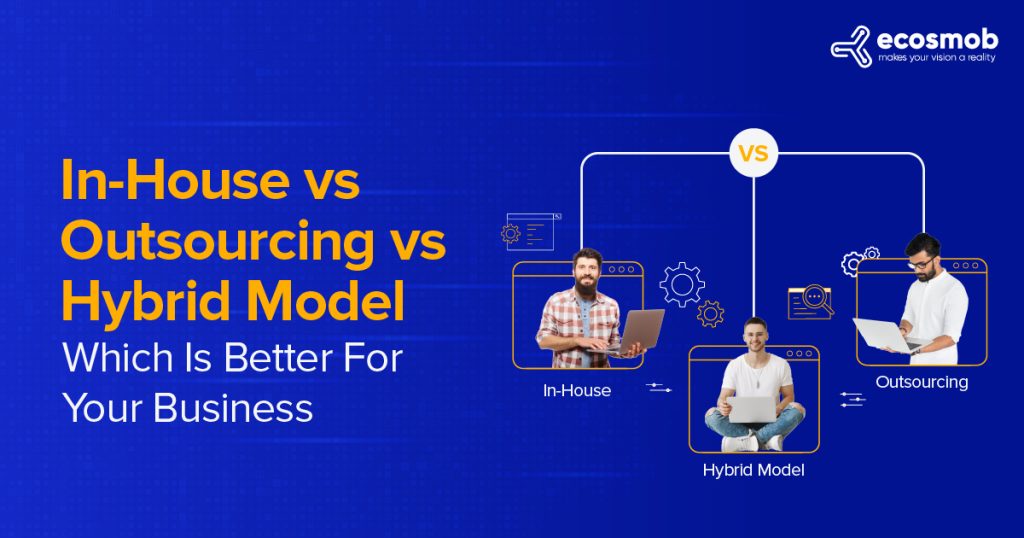
Outsourcing: The Speed Advantage in a Hyper-Competitive Market
For businesses operating in fast-moving industries, outsourcing can be a game-changer. The ability to tap into specialized expertise without the lag time of training or recruitment is a compelling proposition. In 2026, companies leveraging outsourced solutions for niche functions—such as AI-driven customer support or cloud infrastructure management—are gaining a competitive edge by accelerating their time-to-market. The key lies in identifying which functions are best suited for external partnerships and which require the institutional knowledge that only internal teams can provide.
Consider a fintech startup that outsourced its regulatory compliance functions to a third-party expert. By doing so, the company avoided the costly and time-consuming process of building an in-house compliance team from scratch. Instead, it focused its resources on product development and customer acquisition. The result? A 40% reduction in compliance-related delays and a 25% increase in customer trust, as evidenced by higher retention rates. However, this strategy isn’t without risks. The startup had to invest heavily in vendor oversight, ensuring that the outsourced team aligned with its values and operational standards. Without this diligence, the outsourcing model can quickly devolve into a liability rather than an asset.
The Hybrid Model: Bridging the Gap Between Speed and Sustainability
In 2026, the most forward-thinking organizations aren’t choosing between upskilling and outsourcing—they’re blending the two into a hybrid model that maximizes the strengths of each approach. This strategy involves identifying core competencies that require deep institutional knowledge and upskilling internal teams to own them, while outsourcing peripheral or highly specialized functions to external experts. The hybrid model isn’t a one-size-fits-all solution; it’s a dynamic framework that evolves with the company’s needs and the broader market landscape.
Imagine a healthcare provider that adopted a hybrid approach to its IT operations. The company upskilled its existing IT staff to handle day-to-day support and cybersecurity, ensuring that critical functions remained under its control. Simultaneously, it outsourced the development of a new patient portal to a specialized vendor, leveraging their expertise to deliver a cutting-edge solution in half the time it would have taken in-house. The result was a seamless integration of internal and external capabilities, with the healthcare provider enjoying the best of both worlds: cost efficiency, innovation, and operational resilience.
This model also mitigates the risks associated with over-reliance on either strategy. By diversifying its talent pipeline, the company reduces its vulnerability to market fluctuations, skill shortages, or vendor disruptions. In an era where agility is paramount, the hybrid approach offers a balanced path forward.
The Cultural Divide: How Values Shape the ROI Equation
Beyond the numbers, the cultural implications of upskilling versus outsourcing can’t be ignored. A company that prioritizes upskilling sends a powerful message to its employees: “We believe in your potential.” This fosters a culture of growth and loyalty, which in turn drives engagement and productivity. Conversely, outsourcing can sometimes signal a lack of investment in the workforce, leading to disillusionment and a brain drain. In 2026, as the war for talent intensifies, the cultural impact of these decisions will play a pivotal role in shaping an organization’s long-term success.
Take the example of a retail chain that outsourced its customer service operations to a low-cost provider. While the move initially reduced costs, it also led to a decline in customer satisfaction scores, as the outsourced team lacked the brand’s ethos and product knowledge. The result was a 12% drop in repeat customers, eroding the savings gained from outsourcing. The company eventually reversed its decision, investing in upskilling its in-house team to restore service quality. The lesson? Culture isn’t just a soft metric—it’s a critical driver of ROI.
Future-Proofing Your Workforce: The Role of Predictive Analytics
As we look ahead, the ability to predict workforce needs and skill gaps will become a cornerstone of effective ROI analysis. In 2026, companies are increasingly turning to predictive analytics to identify which roles will be most critical in the coming years and whether to upskill, outsource, or automate them. By leveraging data on market trends, technological advancements, and employee performance, businesses can make informed decisions that align with their long-term goals. This proactive approach not only minimizes the risks of reactive hiring or training but also ensures that the workforce remains agile and future-ready.
For instance, a logistics company used predictive analytics to forecast a surge in demand for data-driven supply chain management skills. Instead of scrambling to hire external experts, it launched a targeted upskilling program for its existing logistics coordinators, equipping them with the tools to analyze and optimize routes in real time. The result was a 35% improvement in delivery efficiency and a 15% reduction in operational costs. This forward-thinking strategy underscores the power of data in shaping workforce decisions.
Conclusion: Striking the Right Balance in 2026
The choice between upskilling and outsourcing in 2026 isn’t a matter of picking one over the other—it’s about striking the right balance. The most successful organizations will be those that recognize the unique value of both strategies and deploy them in tandem to create a workforce that is not only cost-efficient but also resilient, innovative, and deeply aligned with the company’s vision. As the business landscape continues to evolve, the ability to adapt and pivot will be the ultimate determinant of ROI.
For decision-makers, the path forward lies in conducting a thorough audit of your organization’s needs, culture, and long-term goals. Ask yourself: Which functions are core to your competitive advantage? Where can external expertise accelerate your progress? And how can you foster a culture that attracts and retains top talent? The answers to these questions will guide your strategy, ensuring that your workforce is not just a cost center but a strategic asset poised for growth.
In the end, the ROI of upskilling versus outsourcing isn’t just about dollars and cents—it’s about building a future where your organization thrives, not just survives. The choices you make today will echo through the years, shaping the legacy of your enterprise in an increasingly complex world.
Leave a comment