


Beneath the shimmering surface of our planet’s vast blue expanse lies a world of breathtaking complexity and fragility—one that breathes life into the very rhythm of Earth itself. The ocean, a colossal cradle of biodiversity, regulates our climate, feeds billions, and holds secrets older than humanity. Yet, as the mercury climbs and carbon dioxide blankets the atmosphere, this liquid realm is undergoing a silent metamorphosis. Coral reefs, once vibrant metropolises of marine life, now bleach under the unrelenting gaze of warming waters. The story of our oceans is not just one of beauty; it is a saga of resilience, crisis, and the urgent need for understanding. Welcome to the realm of ocean literacy—a journey that promises to reshape how you see the water that surrounds us and the invisible threads that bind our fates to its tides.
Imagine, for a moment, standing on a sun-drenched shore, the rhythmic crash of waves lulling you into a false sense of permanence. The ocean appears eternal, immutable—a force of nature that has endured for millennia. But beneath the surface, a quiet revolution is unfolding. Marine ecosystems, those intricate tapestries of life, are unraveling at an unprecedented pace. The culprit? Climate change, a shadowy puppeteer pulling the strings of temperature, chemistry, and weather patterns. To comprehend the magnitude of this transformation, we must first peel back the layers of ocean literacy, a discipline that marries science with storytelling to illuminate the profound connections between human actions and marine health.
The Symphony of the Deep: Understanding Marine Ecosystems
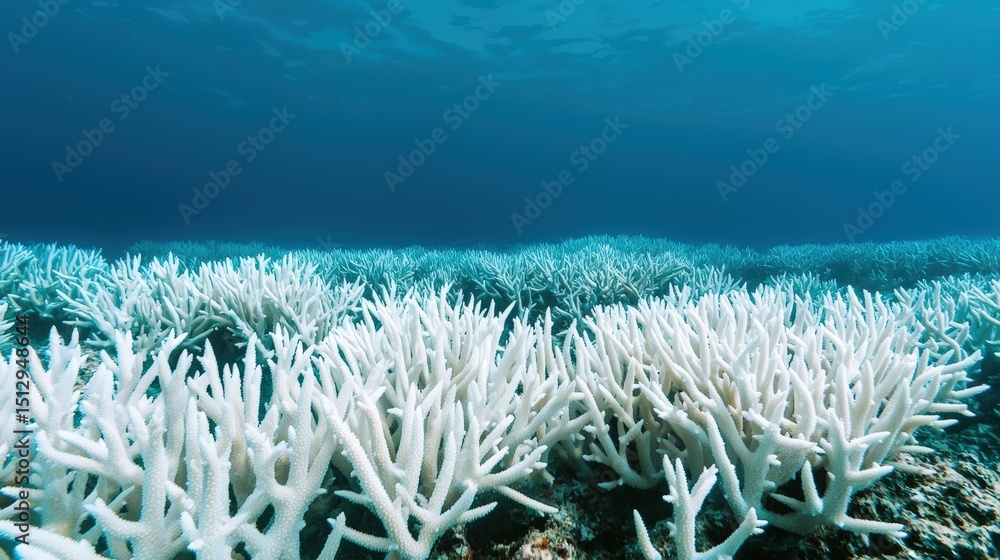
Picture a coral reef not as a static underwater garden, but as a pulsating metropolis teeming with activity. Each coral polyp, a tiny animal no larger than a fingernail, builds its limestone fortress while hosting algae in a symbiotic embrace. This partnership, known as zooxanthellae, is the reef’s lifeblood, providing energy through photosynthesis. But when ocean temperatures rise, this delicate balance shatters. The algae, stressed by the heat, abandon their coral hosts, leaving behind a ghostly white skeleton—a phenomenon known as coral bleaching. The reef, once a kaleidoscope of color, fades into a graveyard of former glory. Yet, coral reefs are merely the tip of the iceberg. Kelp forests, mangrove swamps, and deep-sea hydrothermal vents each play a unique role in the grand ballet of marine life, contributing to the ocean’s staggering biodiversity.
Consider the mangrove, a gnarled sentinel standing sentinel in coastal shallows. Its roots, a labyrinth of breathing tubes, trap sediment and nurture juvenile fish, while its canopy shelters a cacophony of birds and insects. Mangroves are the ocean’s nurseries, safeguarding the next generation of marine species. Meanwhile, in the abyssal depths, hydrothermal vents spew superheated, mineral-rich water, fostering ecosystems that thrive in darkness, independent of sunlight. These ecosystems are not mere curiosities; they are the cogs in a planetary machine, each vital for maintaining the ocean’s equilibrium. Disrupt one, and the ripple effects echo across the globe.

The Invisible Hand: How Climate Change Reshapes the Ocean
The ocean is not a passive victim of climate change; it is an active participant in a global drama. As atmospheric carbon dioxide levels soar, the ocean acts as Earth’s thermostat, absorbing over 90% of the excess heat trapped by greenhouse gases. This thermal buffering comes at a cost. Warmer waters expand, fueling the rise of sea levels that threaten coastal communities. But the heat is not the only intruder. Carbon dioxide dissolves into seawater, forming carbonic acid—a chemical reaction that lowers the ocean’s pH, a process known as ocean acidification. This insidious shift erodes the calcium carbonate structures of corals, shellfish, and plankton, undermining the very foundation of marine food webs.
Yet, the ocean’s plight extends beyond temperature and chemistry. Climate change is also rewriting the rules of ocean currents, those colossal rivers within the sea that dictate weather patterns and distribute nutrients. The Atlantic Meridional Overturning Circulation (AMOC), a conveyor belt of warm and cold water, is showing signs of weakening. If this system falters, Europe could face harsher winters, while the tropics might suffer intensified storms. Meanwhile, the melting of polar ice sheets injects vast volumes of freshwater into the ocean, diluting its salt content and further destabilizing marine ecosystems. The ocean, it seems, is caught in a perfect storm of human-induced transformations.
Consider the plight of the Arctic, a region warming at twice the global average. As sea ice vanishes, polar bears lose their hunting grounds, and phytoplankton blooms—those microscopic powerhouses of photosynthesis—are disrupted. These tiny organisms produce half of the world’s oxygen, yet their fate hangs in the balance. The Arctic’s unraveling is not an isolated tragedy; it is a harbinger of changes that will ripple across the planet, from altered weather patterns to collapsing fisheries.
From Awareness to Action: The Power of Ocean Literacy
Ocean literacy is more than a buzzword; it is a call to arms for a generation tasked with safeguarding the planet’s most vital resource. At its core, ocean literacy is the understanding of the ocean’s influence on you—and your influence on the ocean. It is a framework that transcends borders, uniting scientists, policymakers, and citizens in a shared mission to protect marine ecosystems. But how do we cultivate this literacy in a world where the ocean often feels distant, both physically and conceptually?
The answer lies in storytelling. The ocean’s narrative is not one of doom and gloom, but of wonder and possibility. It is the tale of the humpback whale, a creature whose migratory paths span entire oceans, connecting ecosystems in a dance of survival. It is the story of the mangrove, a natural fortress that shields coastlines from storms while nurturing marine life. By framing the ocean as a protagonist in Earth’s grand story, we invite curiosity and inspire action. Education, too, plays a pivotal role. Schools that integrate ocean literacy into their curricula are nurturing the next generation of marine stewards, equipping them with the knowledge to make informed decisions about conservation and sustainability.
Yet, ocean literacy extends beyond classrooms and documentaries. It is a mindset that permeates daily life. It is choosing sustainably sourced seafood, reducing plastic waste, and advocating for policies that prioritize marine conservation. It is recognizing that the ocean’s health is inextricably linked to our own—whether through the oxygen we breathe, the food we eat, or the climate we depend on. The power of ocean literacy lies in its ability to transform passive observers into active participants, turning the tide on the crises that threaten our blue planet.
Hope on the Horizon: Innovations and Solutions
Amidst the grim forecasts, a glimmer of hope emerges from the depths of human ingenuity. Scientists are pioneering coral nurseries, where resilient coral species are cultivated and transplanted to degraded reefs. These underwater gardens offer a lifeline for ecosystems teetering on the brink. Meanwhile, engineers are exploring the potential of artificial upwelling, a technique that pumps nutrient-rich deep water to the surface, revitalizing phytoplankton blooms and restoring balance to marine food webs. On a global scale, initiatives like the United Nations’ Decade of Ocean Science for Sustainable Development are rallying nations to prioritize marine conservation, fostering collaboration and innovation.
But perhaps the most promising solution lies in the power of collective action. Communities around the world are reclaiming their coastlines, restoring mangroves, and implementing sustainable fishing practices. In the Philippines, the Tubbataha Reefs Natural Park, a UNESCO World Heritage Site, has become a model for marine conservation, proving that protected areas can thrive when local communities are empowered to steward their resources. Similarly, the revival of oyster reefs along the U.S. East Coast is not just restoring habitat for marine life; it is enhancing water quality and buffering shorelines against erosion. These stories of resilience remind us that the ocean’s fate is not sealed—it is a narrative still being written, one where human agency can tip the scales toward restoration.
Even individual actions, when multiplied, can create waves of change. Reducing carbon footprints, supporting marine protected areas, and spreading awareness about ocean conservation are all vital steps. The ocean does not belong to any single nation or generation; it is a shared inheritance, a legacy that demands our stewardship. By embracing ocean literacy, we acknowledge our role in this grand narrative, transforming from spectators into guardians of the deep.
The ocean is not a distant, abstract entity; it is the lifeblood of our planet, a dynamic force that shapes our climate, sustains our economies, and nourishes our souls. As we stand at the precipice of a climate crisis, the ocean offers both a warning and a promise. It warns us of the consequences of inaction, but it also promises redemption through understanding, innovation, and collective effort. The journey to ocean literacy is not merely about acquiring knowledge; it is about forging a deeper connection with the natural world and recognizing our place within it. So dive in. Explore the mysteries of the deep. Advocate for its protection. The ocean is not just a subject of study—it is a call to action, a testament to the enduring power of life, and a reminder that our choices today will echo through the tides of tomorrow.
Leave a comment